As someone who’s worked in the food packaging boxes industry for over a decade, I’ve seen first-hand how the right supplier can make or break a brand’s reputation. For small bakeries, artisanal sauce makers, or even mid-sized food distributors, finding a packaging partner isn’t just about a low price tag—it’s about reliability, compliance with food safety rules, and the ability to adapt when your product line grows. I’ve talked to dozens of frustrated business owners who landed with the wrong supplier: boxes arriving weeks late, missing certifications that keep products on shelves, or designs that crumple the second a hot item is packed. Today, I’m pulling back the curtain on what actually works, from the lessons I’ve learned and the tips I’ve shared with clients over the years. Food Packaging Boxes
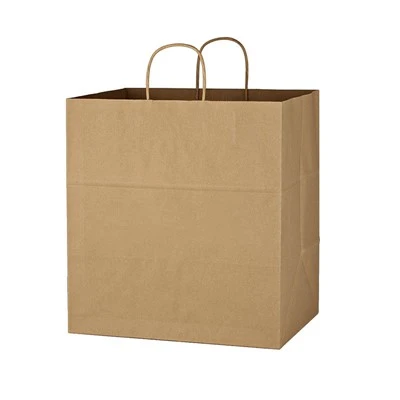
First, start with what you already know: your own food packaging needs. This sounds basic, but skipping this step is why so many people end up wasting time. Do you need boxes for frozen goods that resist moisture? Or takeout containers that hold greasy fried food without leaking? Maybe you’re a specialty chocolate brand, so your boxes need to protect against light damage to keep treats fresh. Jot down every detail, even the small ones. Do you require custom printing with your brand logo, or plain boxes that you’ll label yourself? What’s your monthly order volume—are you launching a small pop-up, so you only need 500 boxes a month, or are you scaling to 50,000? Without clarifying these, you’ll end up talking to suppliers who can’t (or won’t) meet your exact requirements. I once had a new client who reached out because they loved our custom bakery boxes, only to realize they needed bulk shipping crates and our catalog didn’t cover that. A quick pre-check would have saved both of us a lot of back-and-forth.
Next, prioritize food safety and compliance above all else. This is non-negotiable for any food-related packaging, and it’s where most buyers cut corners. Consumers, retailers, and regulatory bodies (like the FDA in the U.S. or EFSA in the EU) have strict rules about what materials can touch food. Never work with a supplier who can’t provide up-to-date food contact material (FCM) certifications on demand. I’ve had a few clients try to go with uncertified suppliers to save a few cents, only to have their entire production line halted by a retailer audit. A common red flag: if a supplier says “all our boxes are food-safe” but can’t produce a formal test report, walk away. You also want to confirm that materials align with your specific food type. For example, recycled cardboard is great for dry goods like cereal, but it’s not ideal for wet or acidic foods like tomato sauce—look for coated or barrier-lined materials for those. Ask suppliers directly about their material sourcing and testing processes; a transparent supplier will be happy to share these details.
Once you have clarity on your needs and non-negotiables, it’s time to vet suppliers. Start with targeted research, not just a Google search for “food packaging boxes suppliers.” Google will pull up thousands, but narrow it down. If you’re based in North America, focus on suppliers with local manufacturing or warehouses to cut shipping costs and lead times. If you’re in the EU, look for those with EFSA certifications and proximity to major distribution hubs. Industry directories for food packaging, like the Packaging Association of America or European Paper Packaging Industry, are great places to start—they list vetted members with proven track records. Word of mouth is also gold. Ask other food business owners in your network: who do they use for packaging, and what’s the biggest thing they wish their supplier did better? I’ve gotten most of my long-term clients from referrals, not online ads. When you shortlist 3-5 suppliers, don’t just look at their website photos. Ask for real samples of your exact required boxes. A photo can look great, but in person, a box might be flimsy, the ink smudges, or the size is off. Test the sample: pour a small amount of liquid on it to check for leaks, press the sides to see if it holds shape, run a logo print to make sure it’s crisp. I always tell potential clients to ask for 5-10 samples, not just one—so they can compare quality across options.
Then, dig into their reliability and customer service. A great box is useless if it arrives three days after you need it, or if the supplier ignores your questions when you have a problem. Ask each shortlisted supplier three key questions: What’s your standard lead time for a custom order, and what’s the average for bulk orders? What’s your backup plan if there’s a supply chain delay (like a paper mill outage)? And who is my dedicated point of contact once the order is placed? For small food brands, a supplier who assigns a single rep to your account is way better than a large corporate firm where you talk to a new person every time you call. I’ve seen clients struggle with big suppliers who lost their order twice because no one kept track—smaller, specialized firms often have more agile processes. Also, check their order fulfillment history. Do they have a track record of on-time deliveries? If a supplier promises 7-day lead times for custom boxes but has 30% late deliveries from the last quarter, that’s a risk. You can ask for a reference list of recent clients, or even check online reviews on platforms like Google Business or Trustpilot—just take reviews with a grain of salt; a few negative reviews are normal, but consistent complaints about late deliveries or bad customer service are a red flag.
Pricing is important, but it shouldn’t be your main factor. It’s tempting to go with the cheapest quote, but that often leads to hidden costs or poor quality. Let’s say Supplier A quotes $0.50 per box, and Supplier B quotes $0.75. At first glance, $0.50 seems like a better deal. But if Supplier A uses thinner cardboard that tears easily, or charges extra for custom printing or shipping, the total cost could end up being higher. And if those flimsy boxes lead to 10% of your products breaking in transit, that’s lost revenue you never get back. Ask for a full, transparent quote that includes all costs: the box itself, printing fees, shipping, taxes, and any minimum order quantities (MOQs). MOQs are a big one—some suppliers require 10,000 boxes for custom orders, which is a huge burden for a new brand that only needs 1,000. Look for suppliers with flexible MOQs, often 500-2,000 for custom designs, that can grow with you. I’ve worked with brands that started with 500 boxes, then doubled their order every quarter because they found a supplier that didn’t lock them into huge upfront costs. Also, ask about bulk discounts and long-term contracts—if you plan to order consistently, a supplier that offers a 5-10% discount for monthly bulk orders can add up to big savings over time.
Finally, test the relationship with a small initial order. Even after all your vetting, there’s no substitute for a real order. Place a small trial order (100-500 boxes) with your top two suppliers, not just one. This lets you test everything: the sample quality, the speed of communication, the delivery time, and the actual box durability when you pack a real product. After the trial, ask yourself: Did the order arrive on time? Was the box as described? Did the supplier answer your questions quickly if you had issues? Would I be comfortable ordering 10,000 boxes from this supplier? That trial run is where I see most long-term partnerships solidify. Last year, a new craft ice cream brand tested us with 300 pint boxes, and the owner told me later that they chose us over a cheaper option because when they asked to add a custom ice cream scoop illustration to their design, our team adjusted the files in 24 hours, something the other supplier said would take 3 days. Small, attentive details add up to a supplier that becomes a partner, not just a vendor.
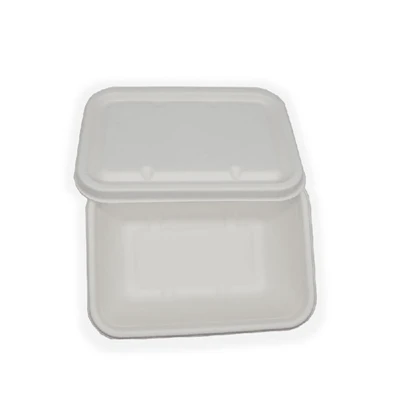
As someone who’s in this space daily, I know how stressful it is to grow a food brand and juggle all the small details—packaging shouldn’t be one of them. The best packaging supplier is someone who understands your brand’s needs, prioritizes your products’ safety, and shows up when you need them. If you’re ready to stop settling for suppliers that miss the mark and find a partner that grows with you, reach out to discuss your food packaging requirements. We’ll work with you to match your needs, from custom printed bakery boxes to bulk shipping crates, with transparent pricing, food-safe certifications, and reliable delivery that keeps your products and your customers happy.
Biodegradable Plastic Bags References
- Food and Drug Administration. (2023). Food Contact Materials: General Requirements and Compliance Guidelines.
- European Paper Packaging Industry Confederation. (2022). Best Practices for Food-Grade Paper Packaging Sourcing.
- U.S. Small Business Administration. (2021). Managing Supply Chain Reliability for Small Food and Beverage Businesses.
- National Restaurant Association. (2022). Trends in Food Packaging: Choosing Suppliers for Specialty Food Products.
- Packaging Association of America. (2023). Guide to Vetting Food Packaging Suppliers for Small Manufacturers.
Junteng Packaging Co., Ltd.
As one of the most professional food packaging boxes manufacturers and suppliers in China, we’re featured by quality products and good service. Please rest assured to wholesale bulk premium food packaging boxes made in China here from our factory. We also accept customized orders.
Address: No.1 Huamao Road, Shuanggang Town, Tongcheng City, Anqing City, Anhui Province
E-mail: juntengpack2020@outlook.com
WebSite: https://www.juntengpackage.com/
