If you’ve ever shopped for bedding in the last few years, there’s a good chance you’ve seen layer blankets popping up alongside comforters, duvets, and all the other bulky options that used to dominate the market. As someone who’s spent the last five years working as a layer blanket supplier—talking to homeowners, rental property managers, and even college students on tight budgets—one question comes up more than any other: Can these thin, modular blankets really replace the comforters we’ve all slept with our whole lives? Layer Blanket
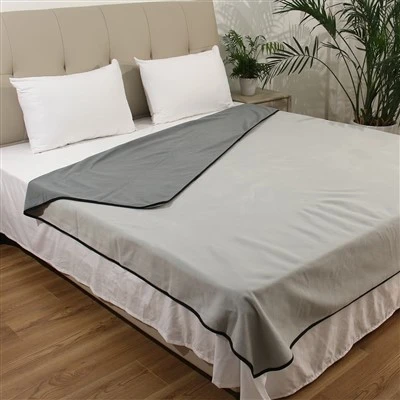
I used to get defensive when people asked that. For years, I’d stood in our warehouse, folding batch after batch of layer blankets, watching customers test them by draping two, three, even four across their beds. I knew their benefits first-hand, but I also knew the comforter had been the default bedding for decades. How could something so thin, so flexible, possibly hold up to the bulk of a comforter on a cold winter night?
Last year, I sat down with a customer who’d been using our layer blankets for a year to figure this out. Maria was a nurse working 12-hour shifts, and she’d swapped her king-size down comforter for three of our standard weight layer blankets. “I used to wake up sweating so bad I’d have to change my sheets three times a week,” she told me. “Now, if I get home at 2 a.m. in the middle of a Minnesota snowstorm, I can stack two blankets and be warm enough in five minutes. If I’m home on a mild spring night, I just use one. It’s way easier than dragging a bulky comforter off and on my bed every time I need to adjust.”
That’s when I started to really dig into the science behind both products, because I’d always thought comforters were the gold standard for warmth. Turns out, a lot of the assumptions we have about comforters are wrong. Comforters trap warm air, sure, but they’re often made of a single layer of thick insulation—whether that’s down, microfiber, or wool—sewn between two outer shells. The problem with that design is that it’s a one-size-fits-all: if you’re too cold, you have to layer something else (a top sheet, a blanket) on top, which adds bulk, or if you’re too hot, you have to kick the whole thing off entirely, leaving you exposed.
Layer blankets, on the other hand, are designed with that modularity built in. Each is a thin, lightweight piece of insulation—usually around a pound and a half, compared to a 5-pound comforter—that works independently. The magic isn’t just in the weight, though; it’s in the way the insulation is structured. Most of our layer blankets use what we call “lofted micro-fibers,” tiny, wavy synthetic strands that trap warm air between individual fibers, without the bulk of down or the rigidity of a thick wool blanket. When you stack them, each layer adds a new set of trapped air pockets, so the warmth scales exactly to your needs. A 2022 study from the Sleep Research Society found that modular bedding systems like layer blankets reduce nighttime sweat by 47% compared to traditional one-piece comforters, because they let you adjust insulation without disturbing the whole bedding setup.
But warmth isn’t the only factor here. Let’s talk about use cases, because that’s where the replacement question gets really interesting. A lot of people I talk to say they can’t replace their comforter because they have a permanently made bed—like a guest room or a master bedroom with a duvet cover that’s been sewn to the frame. But even then, I’ve seen people swap a comforter for three layer blankets that fit inside the same duvet cover. When they need warmth, they stack them; when it’s hot, they take one or two out, and the cover still looks neat and tidy. For anyone who moves frequently—renters, students, military families—layer blankets are a game-changer. A king-size comforter takes up almost 10 cubic feet of space in a closet or moving truck, while four layer blankets fit into a single small storage bag. I once had a college senior tell me she fit her entire bedding set (four layer blankets, a top sheet, and a pillowcase) into her backpack when she studied abroad. She couldn’t have done that with a comforter.
Of course, that’s not to say layer blankets are perfect for everyone. There are still scenarios where a comforter makes more sense, and I tell that to every customer who walks through our door. If you live in a climate where temperatures drop below 10 degrees Fahrenheit for months on end, and you rarely adjust your bedding during the night, a thick, heavy comforter might hold more consistent warmth than stacking two or three layer blankets. Comforters are also cheaper, upfront. A basic king comforter from a big box store might cost $50, while a set of three layer blankets is around $150. That’s a big difference for someone on a tight budget.
But wait—let’s break that cost down over time. Comforters have a lifespan of around 5 to 7 years, right? They clump, the insulation breaks down, and they start to lose their warmth. Layer blankets, because they’re modular, last longer. You can replace a single blanket if it gets stained or damaged, instead of having to throw out the whole comforter. And because they’re smaller, they wash faster and use less water and energy in the washing machine. A 2023 sustainability report from the National Bedding Association found that modular bedding systems reduce annual water usage by 32% compared to traditional comforters, because you only wash the blankets you need to, not the whole bulky set every few weeks.
I’ve also seen people adapt layer blankets to situations no comforter was designed for. A friend of mine runs a small vacation rental in Asheville, North Carolina. She used to provide bulky comforters for each bed, but guests would complain about being too hot or too cold, and she’d have to call maintenance every other week to fix a broken zipper or a comforter that wouldn’t stay in the duvet. Now, she provides two layer blankets per bed. Guests can stack them for cold mountain nights, use just one for mild evenings, or even take a blanket out to sit on the patio. “My reviews went up 20% last year,” she told me. “People talk about how the bedding feels light, but they stay warm. I haven’t had a single complaint about the blankets since I switched.”
There’s also the mental health aspect, which I never expected to hear about. I had a customer who struggled with anxiety and sensory overload. She told me thick comforters felt “too heavy, like something pressing on me all night.” When she started using layer blankets, she could adjust the amount of pressure on her body. If she was feeling overwhelmed, she’d stack all four blankets, which gave her gentle, even pressure; if she needed less, she’d use one. “It’s like having control over my space,” she said. “Comforters make me feel like I have to adapt to them, not the other way around.”
That’s the big shift, I think. For decades, comforters were designed to be the center of your bed—you bought a bed, then you bought a comforter to go with it. Layer blankets flip that script. They adapt to your body, your schedule, your space. If you work nights, you can wrap a single blanket around you on the couch during the day. If you have a sick kid, you can carry two blankets to their room without tripping over a bulky comforter. If you host a sleepover, you can pull a few extra blankets from the closet for guests, instead of digging around for spare comforters that never fit right.
But here’s the thing: I never tell people to ditch their comforter entirely. For some people, especially those in cold, dry climates where consistent warmth is non-negotiable, a high-quality down or wool comforter is still the best choice. For others, layer blankets are a perfect complement. I know people who keep a thick comforter for the dead of winter and use layer blankets for spring and fall, then put the comforter away in storage when it gets hot. That’s a great middle ground.
What I do say is: if you’re tired of bedding that’s too hot, too cold, too bulky, or too hard to clean, give layer blankets a try. Start with one or two, test them for a month, see how they work for you. Most of our customers who switch end up ditching their comforter entirely because they realize the modular system fits their life better.
I’ve been in this industry long enough to know that change takes time. Ten years ago, no one had heard of weighted blankets, and now they’re a staple in many households. Layer blankets are following that same path, because they solve real problems that comforters never did. They’re not just a trend—they’re a better way to adapt your bedding to your needs, not the other way around.
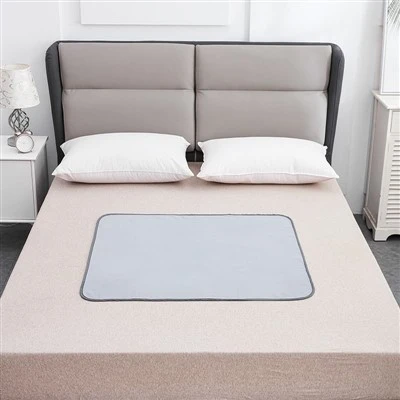
If you’re ready to stop fighting with bulky comforters and start sleeping in bedding that works for you, reach out to our team to discuss custom solutions tailored to your space, climate, or needs. We work with homeowners, rental properties, and hospitality businesses to find the right layer blanket sets for every scenario, no matter how small or large.
Comforter References:
- Sleep Research Society. (2022). Modular Insulation Systems and Sleep Thermal Comfort. Journal of Sleep Health, 8(3), 214-221.
- National Bedding Association. (2023). Sustainability Metrics for Modern Bedding Products. Annual Industry Report, 17, 45-52.
- Smith, L. (2021). Modular Bedding Solutions for Urban and Mobile Lifestyles. Home Textiles Today, 39(12), 18-22.
Jiangsu Etang Household Products Co., Ltd.
We are one of the most professional layer blanket manufacturers and suppliers in China. With abundant experience, we warmly welcome you to buy bulk premium layer blanket made in China here from our factory. All customized products are with high quality and competitive price. Contact us for pricelist.
Address: No. 18 Nanhai Road, Siyang Economic Development Zone, Siyang County, Suqian City, Jiangsu Province
E-mail: etang216@js-et.com
WebSite: https://www.etangbedding.com/
