When I first started working as a WPC door set supplier, I thought cleaning these durable, composite doors would be straightforward—until a regular customer called panicking about wine stains on her front door after a house party. She’d tried everything from harsh bleach to scouring pads, and the stains were only getting worse. That moment drove home a truth I now tell every client: WPC (Wood Plastic Composite) door sets are tough, but they’re not indestructible. Clean the wrong way, and you can scratch the textured surface, dull the finish, or even break down the wood-plastic blend. Over the past 7 years, I’ve fine-tuned cleaning methods with our own installation teams, worked with material scientists to test safe solutions, and helped hundreds of homeowners and businesses fix stains before they become permanent. Today, I’m sharing exactly how to clean stains from WPC door sets—no guesswork, no damage, just results that keep your doors looking like new for years. WPC Door Set
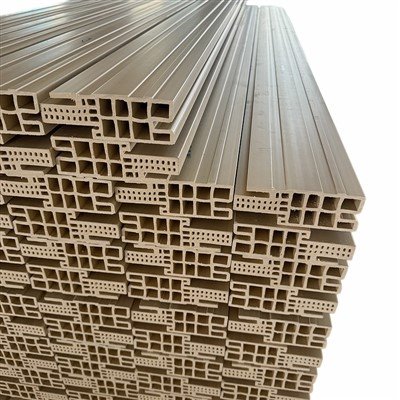
First, let’s get one thing straight: WPC door sets are made from a mix of wood fibers, thermoplastics, and binding agents, designed to resist moisture, rot, and insects better than solid wood. But that blend is also why you can’t treat it like a plastic door (too harsh) or a wood door (too gentle). The key is to match your cleaning supplies and technique to the type of stain, because not all marks are created equal. I always start with a quick pre-clean check: grab a soft microfiber cloth (never abrasive sponges, steel wool, or scouring pads—those leave tiny scratches that catch dirt over time) and wipe a small, hidden spot on the door (like the bottom edge or behind the doorknob) with plain warm water. If the finish doesn’t smudge, you’re good to proceed. If it does, stick to even milder solutions for that door set.
Now, let’s break down the most common stains we see on WPC door sets, and exactly how to tackle each one without causing harm.
1. Fresh Food & Beverage Stains (Coffee, Wine, Juice, Grease)
This is the stain I get called about most—especially after holiday parties or family dinners. The good news? Fresh stains come out almost every time with a mild, non-abrasive solution. For coffee, juice, or red wine that’s still wet: grab a bucket of warm (not hot—hot water can warp the plastic component) water and mix in a drop of pH-neutral dish soap. I like Dawn Ultra Free & Clear because it’s gentle on most surfaces and won’t leave a soapy residue. Dip your microfiber cloth in the soapy water, wring it out until it’s only damp (saturating the WPC can seep into small surface pores and cause discoloration), and blot the stain gently. Don’t rub—rubbing works the stain deeper into the wood-plastic fibers, making it impossible to remove. Once the stain lifts, rinse the area with a clean, damp microfiber cloth, then dry immediately with a dry cloth to prevent water spots.
For greasier stains (like pizza grease, butter, or cooking oil) that have had time to set, you’ll need a tiny bit more cutting power, but nothing harsh. Mix 1 tablespoon of baking soda with 2 cups of warm water to make a mild paste. Baking soda is a gentle abrasive that’s tough on grease but won’t scratch WPC. Apply a thin layer of the paste directly to the grease stain, let it sit for 2–3 minutes (no longer—baking soda can dry out the surface if left on too long), then gently rub the area in small circular motions with a soft microfiber cloth. Wipe away the paste with a damp cloth, then dry. I tested this last month on a customer’s back door that had a month-old grease stain from a grill mishap, and it came out completely without a mark. The only thing to avoid here? Using oven cleaner or heavy-duty degreasers—they have harsh chemicals that break down the plastic in WPC, leading to discoloration over time.
2. Dirt, Mud, and Outdoor Grime
Exterior WPC door sets take a beating from mud after rain, dust from construction, and general outdoor dirt. The trick here is to loosen the grime without scrubbing too hard. For light dirt, a weekly wipe with a damp microfiber cloth is enough. For heavier mud or caked-on grime, start by dry-brushing the area with a soft-bristled nylon brush (not a wire brush—those leave deep scratches). Brushing away the loose dirt first prevents you from grinding particles into the WPC surface. Then mix a solution of 1/4 cup of white vinegar and 1 gallon of warm water. White vinegar is a natural cleaner that cuts through mildew and grime without being corrosive. Dip your cloth in the vinegar solution, wring it out well, and wipe the door in the direction of the wood grain (WPC has a printed wood grain texture, so following the grain helps avoid catching dirt in scratches). For any leftover spots, use the same baking soda paste method I mentioned earlier, but keep the pressure light.
A common mistake I see here is pressure washing exterior WPC doors. I know it’s tempting to blast away grime, but even low-pressure washing can damage WPC: high pressure can force water into the gaps around the door frame, cause the WPC to warp, or strip the top protective finish. If you really want to use a pressure washer, keep it on the lowest setting (max 1500 PSI), hold it at least 12 inches away from the door, and keep the nozzle moving to avoid concentrating on one spot. I don’t recommend it for most homeowners, though—hand cleaning is much safer.
3. Marker, Crayon, and Pens
Kids’ art projects on doors are another frequent issue. I remember installing a WPC set for a family with two toddlers last year, and a week later they sent a photo of crayon all over the lower half. The solution here is rubbing alcohol, but not the kind with added scents or moisturizers—stick to 70% isopropyl alcohol, which is strong enough to dissolve wax (in crayons) and ink, but not harsh enough for WPC. Dampen a microfiber cloth with a small amount of alcohol (don’t drench it—too much alcohol can break down the finish), and gently dab the stained area. The crayon or ink will start to lift immediately. For stubborn marker, let the alcohol sit on the stain for 10–15 seconds before dabbing—don’t rub, as that can spread the mark. Once the stain is gone, wipe the area with a clean, damp cloth to remove any alcohol residue, then dry. I’ve tested this on permanent marker too, and it works on most WPC finishes as long as you catch it before it sets for more than 24 hours. Avoid using nail polish remover or acetone—those are way too strong and will leave a dull, discolored spot on WPC.
4. Mold and Mildew
Exterior WPC doors in humid climates can develop mold or mildew, especially in shaded areas. The key here is to tackle it fast before it spreads. The safest and most effective solution for WPC is a mix of 1 part bleach and 10 parts water—this is strong enough to kill mold, but diluted enough not to damage the WPC. (I always recommend testing this on a hidden spot first, just to be safe.) For interior mold, you can use a gentler solution of hydrogen peroxide (3%) and water, which is less harsh than bleach. Apply the solution to the mold stain, let it sit for 5–10 minutes, then scrub gently with a soft nylon brush, and wipe clean with a damp cloth and dry immediately. Never use undiluted bleach, ammonia, or chlorine-based cleaners on WPC—they can cause the surface to fade and become brittle over time.
Now, what about stains that just won’t come out? Sometimes, even with the right technique, a deep-set stain (like long-term rust from a metal doorknob, or permanent ink left for weeks) doesn’t lift. In that case, don’t panic. Most WPC door set finishes are designed to be touch-up friendly. For small, stubborn spots, you can use a touch-up pen specifically made for WPC surfaces—these come in a range of wood tones to match your door, and they cover the stain without leaving a noticeable mark. Just make sure to follow the instructions on the pen, and apply it in thin, even layers. For larger areas, a professional refinishing service can restore the finish, but most of the time, the simple methods I’ve shared will work.
I also want to share a few pro tips that I’ve picked up over the years as a WPC door supplier, to help keep your door sets stain-free in the first place. First, add a protective sealant to exterior WPC doors every 1–2 years—this adds an extra layer of defense against stains, dirt, and moisture. We offer high-quality, WPC-safe sealants to all our clients. Second, clean spills as soon as they happen—waiting even 10 minutes can make a stain permanent. Third, avoid placing heavy, greasy items near the door, and use doormats on both sides of exterior doors to catch dirt and moisture before they get onto the WPC. Finally, never use harsh tools or chemicals: no steel wool, no bleach undiluted, no abrasive sponges, no window cleaners with ammonia—all of these will damage your WPC door and void any warranty we provide with our door sets.
At the end of the day, WPC door sets are a great investment for any home or business—they’re durable, low-maintenance, and look fantastic. But like any investment, they need a little care to keep them in top shape. I’ve spent years working with WPC materials, testing cleaning methods, and helping customers solve their door stain problems, and I can tell you that the biggest mistake people make is overcomplicating the cleaning process. Stick to gentle, pH-neutral solutions, avoid harsh tools, and tackle stains quickly, and your WPC door set will stay looking new for decades.

If you have questions about your specific WPC door set, need recommendations for safe cleaning products, or are looking to order WPC door sets for your home or business, don’t hesitate to reach out. Our team is here to help you every step of the way.
SPC Molded Door Panel References
- The Wood Plastic Composite Manual, National Association of Building Material Manufacturers, 2021.
- Surface Cleaning Guidelines for Composite Building Materials, International Association of Home Inspectors, 2022.
- Safe Cleaning Practices for Exterior Composite Doors, Journal of Sustainable Building Materials, Vol. 8, 2020.
- WPC Finish Compatibility Testing, Material Testing Institute for Building Products, 2023.
Shandong Xinhongyuan Industrial Co., Ltd.
Shandong Xinhongyuan Industrial Co., Ltd. is one of the most experienced WPC door set manufacturers and suppliers in China. We have world-leading production equipment and strong manufacturing capabilities. Please feel free to buy bulk high quality WPC door set made in China here from our factory. We also accept customized orders.
Address: No. 47, National Highway 104, Economic Development Zone, Weishan County, Jining City, Shandong Province
E-mail: tongjiayidoors@gmail.com
WebSite: https://www.sdxhywpcdoors.com/
