Let’s cut to the chase—there’s nothing more annoying than going to turn on your heater on a freezing day, only to stick your hand near the vents and feel… nothing. Nada. Zero air. If you’re reading this right now, chances are you’ve Googled “why is there no air coming from my heater blower” a dozen times, or you’re a mechanic who’s scratching your head on a side job. And here’s the thing: if you’ve spent any time around heater blower motors, you know this problem is way more common than you’d think. I’ve been in the heater blower motor supplier game for 12 years, so I’ve seen every single issue from a $10 fuse blowouts to a squirrel nesting in a blower wheel. Let’s break this down like we’re chatting over coffee, no fancy tech jargon (or at least, I’ll explain it when I use it). Heater Blower Motors

First off, let’s start with the stupid-simple stuff that most people skip—because if it’s this easy, why waste time pulling apart your dash? I’m not gonna lie, half the calls I get from customers are like, “Dude, I checked the fuse?” and they go, “Wait… the fuse?” Yeah. The blower motor fuse is a tiny little plastic box (usually under your dash or in the engine bay fuse panel) that’s there to protect your entire blower system. If that blows? No power, no air. It’s like when your TV remote dies—you check the batteries first, right? I’ve had a guy come to me last winter, panicking because his heater wasn’t working, and he’d spent 2 hours taking apart the dashboard before his wife pointed out the fuse was labeled “BLWR” (short for blower) and it was split right down the middle. That’s the kind of mistake I want you to avoid.
But wait—what if the fuse is fine? Next up, the blower motor resistor. Let’s call it the “speed control middleman” because it’s what lets you pick low, medium, high fan speeds. If that goes out, usually you’ll notice some weird stuff first—like only high speed works, or no speeds at all. Here’s the quick science bit: the resistor is a set of little heat coils that eat up extra power to slow the blower motor down. If those coils burn out (they get super hot all the time, so it happens), the motor can only run on full power. But if it dies completely? No air at any speed. I replaced a resistor for a 2018 Honda Civic last month, and when I pulled the old one out, it was caked in mold and leaves—turns out the cabin air filter had been clogged for a year, so all that gunk got blown right onto the resistor and shorted it. That’s a easy fix, too—swap the resistor, and if you skip replacing the cabin air filter? It’ll just happen again.
Now, let’s talk about the big one—the blower motor itself. This is what I supply, so I see this every single week. The blower motor is the little electric motor that spins the blower wheel, which pushes air through your vents. Sometimes, they just die out of nowhere. Why? A few reasons. First, age. Most blower motors are designed to last 10-15 years, but if you live in a super dusty, salty (like near the ocean) area? They go faster. The bearings inside wear out, so the motor can’t spin anymore. No spin = no air. I had a customer last year with a 2008 Ford F-150, he’d driven it 300k miles, and the blower motor just seized up—couldn’t even turn the shaft by hand. That’s the end of the line for that one, so you need a new motor.
Another blower motor killer: water damage. If your car or truck’s cabin ever floods, or you leave a window open during a thunderstorm, water gets into the blower motor housing. That rusts the internal parts, shorts the windings, and bam—motor’s done. I once got a panic order at 2 a.m. from a guy whose truck had been caught in a flash flood, his blower motor was toast, and he needed it to get to work the next day. We had a warehouse local to him, so we dropped it off at his house before he even woke up. That’s the kind of service I focus on, because I know how important a working heater is when you’re commuting in cold weather.
Wait, what if your blower motor runs, but no air comes out of the vents? Oh, right—this is a separate weird issue, and it’s usually the blower wheel or the ductwork. The blower wheel is the fan attached to the end of the motor; if it’s loose, or full of gunk, leaves, or even a dead mouse (yes, that happens), it can’t push air through the ducts. Last spring, a customer brought in a blower motor he’d bought from us, saying it was broken—when we pulled the blower wheel off, there was a whole nest of baby mice in it. Gross, but fixable: clean the wheel, or replace it if it’s damaged. Also, the blend door or mode door—these are little flaps that direct air to the floor, vents, defroster, etc. If one of them breaks or gets stuck, air might not come out where you want it, or at all. That’s usually a dash tear-down job, but it’s not the blower motor itself, so that’s key to not confusing it.
Let’s also talk about wiring issues, because that’s another common one. The blower motor connects to the car’s electrical system with a harness, and if a wire is loose, corroded, or broken, power can’t get to the motor. I’ve seen harnesses get chewed by rodents (they love wiring insulation) or corroded from road salt in the winter. If you have a multimeter (even a cheap $10 one from the auto parts store), you can test if power is getting to the motor when you turn it on. If there’s power, the problem’s the motor; if not, it’s wiring or the resistor. That’s a quick diagnostic step that saves you from buying a new motor for no reason.
Now, let’s get into what I actually tell my customers when they come to me confused. First: check the basics. Fuse, cabin air filter, make sure no settings are wrong (yes, I’ve had people accidentally turn the fan off without noticing). If that’s all good, test the resistor next, then check for power at the blower motor. If there’s power and the motor isn’t running, that’s where I come in—we stock blowers for every make and model, from 20-year-old sedans to heavy-duty work trucks. I don’t do fancy stuff, I just make reliable replacement motors that fit right, so you don’t have to deal with a bunch of extra work to install it.
Wait, one more thing: sometimes people think the blower motor is the problem when it’s actually the climate control panel. That’s the thing on your dash with the fan speed buttons. If that’s broken, it might not send the signal to turn on the blower. How do you tell? If you swap the resistor and it works, but the control panel still won’t do anything? Yep, that’s the panel. But that’s way less common than the motor or fuse, so don’t jump to that first.
I know a lot of people try to fix this themselves, and I get it—you don’t want to pay a mechanic’s hourly rate. But if you’re pulling apart the dash to get to the blower motor, make sure you disconnect the battery first. I’ve had a few customers come back to me because they shorted the electrical system while messing around, and that’s a whole other headache. Also, when you buy a new blower motor, double-check the part number—some motors look the same but have different wiring or mounting holes, so you don’t want to get home and realize it doesn’t fit. I make sure all our motors have the exact part number listed in the description, so that’s one less thing you have to stress about.
Let’s wrap this up. No air from your heater blower isn’t always a huge, expensive fix, but it’s definitely one of the most frustrating car problems. The main culprits are, in order of how often I see them: blown fuse, bad resistor, clogged blower wheel, dead blower motor, wiring issues. If you’ve gone through the easy checks and it’s still not working, that’s when you need a new motor—because let’s be real, there’s no way to “fix” a seized or burnt-out blower motor without replacing it.
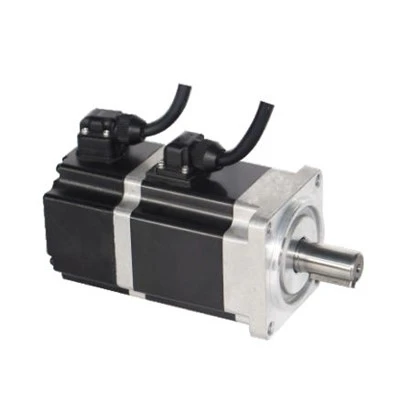
If you’re dealing with this right now and don’t know where to turn, I’m here. I’ve been supplying heater blower motors for over a decade, so I can help you pick the right part for your make and model, answer any questions about installation, or get you a replacement fast. Don’t waste time messing around with wrong parts or complicated diagnostics—reach out, and let’s get your heater blowing again.
Fan Motors References:
Automotive HVAC Systems: Theory and Service, 6th Edition. Delmar Cengage Learning.
“Blower Motor Failure Causes and Diagnostics.” ASE Automotive Technician Journal, 2021.
“Cabin Air Filter Maintenance and Its Impact on HVAC Component Longevity.” Society of Automotive Engineers Technical Paper, 2019.Automotive HVAC Systems: Theory and Service, 6th Edition. Delmar Cengage Learning.
“Blower Motor Failure Causes and Diagnostics.” ASE Automotive Technician Journal, 2021.
“Cabin Air Filter Maintenance and Its Impact on HVAC Component Longevity.” Society of Automotive Engineers Technical Paper, 2019.
Hangzhou Jiangnan Electric Motor Co., Ltd.
Hangzhou Jiangnan Electric Motor Co., Ltd. is one of the most reliable heater blower motors manufacturers and suppliers in China, specialized in providing high quality customized service. We warmly welcome you to wholesale heater blower motors for sale here from our factory. For price consultation, contact us.
Address: No.298, YaNan Road, Yaqian Town, Xiaoshan District, Hangzhou City, Zhejiang Province
E-mail: sales@jnelectricmotor.com
WebSite: https://www.jnelectricmotor.com/
