If you’ve ever stared at your closet at 10 p.m., scrolling through endless fabric options while weighing comfort against your values, you’re not alone. As someone who’s spent the last 8 years running a pajama supply business that prioritizes ethical, accessible products, I get that choosing vegan pajamas isn’t just a trend—it’s a choice that impacts everything from your bedtime comfort to the environmental footprint of every item you own. Let’s cut through the marketing fluff and break down what actually makes a great pair of vegan pajamas, and how to pick ones that work for your nights. Pajamas
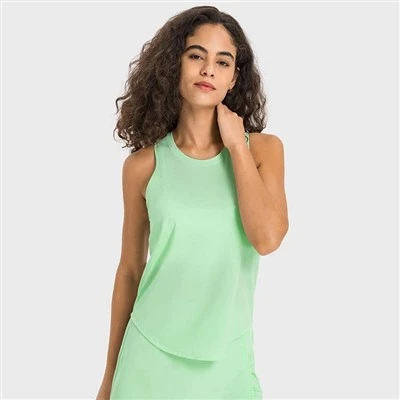
First, let’s get one thing straight: “vegan pajamas” aren’t just pajamas with a fake leather trim or a label that says “animal-free.” True vegan pajamas are made without any animal-derived materials whatsoever—no silk, wool, down, leather, suede, even things like lanolin or beeswax that sometimes sneak into soft fabrics. They also need to perform like real pajamas, because let’s be honest, the worst bedtime is one where you’re adjusting scratchy fabric, overheating, or washing your PJs once and they’re pilled beyond repair.
So what are the best materials for vegan pajamas, anyway? I’ve tested dozens of fabrics over the years, both in our supply chain and in my own nighttime routine, and the top contenders check three boxes: soft enough for sensitive skin, breathable for all-night comfort, and durable enough to hold up to weekly washes.
Cotton is the OG, but not all cotton is created equal. Conventional cotton is loaded with pesticides and isn’t always ethically sourced, but organic cotton is a game-changer. It’s grown without synthetic chemicals, so it’s gentler on skin—perfect if you have eczema or allergies, which I’ve seen come up a lot from customers reaching out to our team. We switched 100% of our core cotton pajama lines to GOTS-certified organic cotton three years ago, and the feedback was immediate: people said they didn’t wake up with red marks from their PJs anymore, and they stayed soft even after 10 washes. The only downside? Organic cotton is a bit heavier than some synthetic blends, so if you tend to overheat at night, it might not be your first pick. For people who love that “wrapping in a cloud” feeling, though, it’s unbeatable.
Next up: Tencel (also called lyocell). This fabric is made from eucalyptus trees, which are grown sustainably in closed-loop systems that reuse 95% of the water used in production. Tencel is ultra-soft, like a mix between cotton and silk, but way more breathable than either. It wicks moisture away from your skin better than most fabrics, so you stay cool when it’s warm and warm when it’s cool—ideal for year-round wear. We started offering Tencel pajamas two years ago for customers who wanted something lightweight for summer, and we’ve since expanded the line to include flannel-weight Tencel for winter. The best part? Tencel is naturally resistant to pilling, so you don’t have to toss your PJs after a few months. I own a pair of Tencel long-sleeved sets that I’ve washed weekly for over a year, and they still look and feel like new. That’s the kind of durability that matters when you’re spending 7-8 hours a day in your PJs.
Then there’s bamboo viscose. A lot of people mix up Tencel and bamboo, but they’re different (though both vegan). Bamboo viscose is made from the pulp of bamboo plants, which grow quickly without needing much water or pesticides. It’s incredibly soft—some people say it’s softer than organic cotton—and it’s also very breathable and moisture-wicking. The catch with bamboo is that not all bamboo viscose is created equal. Some manufacturers use harsh chemicals in the production process to break down the bamboo pulp, which can leave behind residues that irritate skin, and it’s more prone to pilling than Tencel. At our company, we only source OEKO-TEX certified bamboo viscose, which means it’s tested for harmful substances and meets strict environmental standards. Our bamboo pajama line is one of our most popular, especially for people with sensitive skin who want something a little more lightweight than organic cotton.
What about synthetic fabrics like polyester or nylon? I know a lot of people swear by moisture-wicking synthetics for workouts, but for pajamas, they’re a mixed bag. The problem with polyester is that it doesn’t breathe well—you can end up sweating more in synthetic PJs than you would in natural fabrics, which leads to that sticky, uncomfortable feeling at night. Also, synthetics are made from plastic, so they don’t biodegrade when they’re tossed out. That said, if you live in a very cold climate and need something extra warm, there are recycled polyester options made from plastic bottles that are more sustainable than conventional polyester. We have a limited line of winter pajamas made from recycled polyester fleece, but we always make sure to add a lining of organic cotton to make them less scratchy.
Now, it’s not just about the fabric. The best vegan pajamas also have small design details that make a big difference for bedtime. For example, seamless construction is a must for people who hate the feeling of tags or rough seams rubbing against their skin. We stopped putting tags on all our pajama sets a few years ago and switched to printed labels inside the waistband, and it’s one of the changes our customers mention most in their reviews. Other details: flatlock seams that don’t bulge, a relaxed fit that doesn’t restrict movement (tight pajamas can actually disrupt sleep, believe it or not), and adjustable waistbands if you prefer sleep pants that don’t fit too snug. We also make sure all our pajamas are pre-washed, which reduces shrinkage right out of the bag—nothing’s worse than buying pajamas and having the top shrink to a crop top after the first wash.
But wait, is vegan always more sustainable? That’s a question we get a lot, and it’s important to address it honestly. Some animal-based fabrics like wool are actually very durable and biodegradable, so choosing vegan doesn’t always mean choosing the most sustainable option. But for most people, vegan pajamas have a lower environmental impact than their non-vegan counterparts. Organic cotton uses 91% less water than conventional cotton, Tencel uses a closed-loop system that reduces water waste, and bamboo is a fast-growing crop that doesn’t need much fertilizer. Also, if you avoid animal products, you’re not contributing to industries that have a huge carbon footprint—livestock is responsible for about 14.5% of global greenhouse gas emissions, so every small choice adds up.
Another thing to consider: price. A lot of people assume vegan pajamas are more expensive, but that’s not always the case. Our core organic cotton sets are priced the same as many non-organic, non-vegan pajama lines, and our Tencel and bamboo lines are only slightly more expensive, which is worth it for the durability and comfort. You don’t have to spend a fortune to get good vegan pajamas, but you do want to avoid cheaply made ones that will fall apart after a few washes. We’ve seen so many customers come back after buying discount vegan pajamas that pill or shrink immediately, so we always tell them to look for certifications (GOTS, OEKO-TEX) that ensure the fabric and production are ethical.
I want to share a quick story that stuck with me a few years ago. A customer reached out to our support team saying she’d struggled with eczema for 10 years, and she’d tried every type of pajama—cotton, silk, wool—nothing helped. She bought our organic cotton pajama set on a whim, and a month later she sent us a note saying her eczema had cleared up. She said the fabric was so gentle, and since switching to our PJs, she’d slept through the night for the first time in a decade. That’s the kind of impact that makes all the work worth it. Vegan pajamas aren’t just about checking a box for ethical choices—they’re about making your everyday life better, one night at a time.
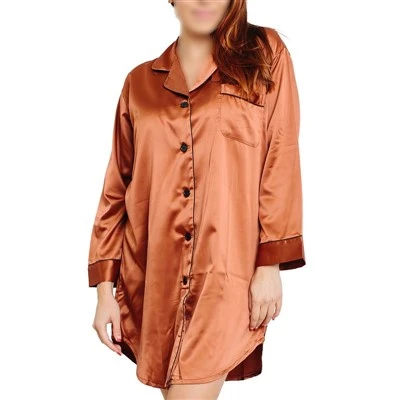
So what should you look for when shopping for vegan pajamas, in summary? First, stick to natural, sustainably sourced fabrics: organic cotton, Tencel, or OEKO-TEX certified bamboo viscose. Avoid synthetic blends unless they’re made from recycled materials and have a cotton lining. Second, check for small design details: no tags, flat seams, relaxed fit, pre-washed to prevent shrinkage. Third, look for third-party certifications to ensure the fabric is actually vegan, ethical, and free of harmful chemicals. And finally, don’t be afraid to test a few different fabrics—everyone’s body is different, so what works for me might not work for you.
Women’s Underwear At the end of the day, the best vegan pajamas are the ones that make you look forward to getting into bed. They’re soft, comfortable, align with your values, and last for years, so you don’t have to keep replacing them. If you’re a retailer, boutique, or buyer looking to source high-quality, ethical vegan pajama lines for your customers, our team has spent years perfecting our supply chain to offer fabrics that meet both comfort and sustainability standards. We work directly with small-scale producers to ensure fair wages and safe working conditions, and every line we offer is 100% vegan, cruelty-free, and certified for both quality and ethics. If you’re interested in discussing bulk orders, custom designs, or learning more about our product range, our team is ready to walk through every detail with you. Let’s build something that works for your customers and the planet, one pair of pajamas at a time.
References
- Global Organic Textile Standard (GOTS) Guidelines for Organic Fiber Production
- Textile Institute Report on Sustainable Fabrics for Apparel
- World Wildlife Fund (WWF) Facts on Cotton’s Environmental Impact
- Organic Trade Association (OTA) Data on Organic Cotton Water Usage
Jingjiang Bes Textile Products Co., Ltd.
Jingjiang Bes Textile Products Co., Ltd. is one of the most experienced pajamas manufacturers and suppliers in China. We are committed to providing high quality custom service, OEM/ODM service and private label service for global clients. If you’re going to buy bulk premium pajamas, welcome to get samples from our factory. Also, low MOQ and 2 years warranty are available.
Address: No.27, Xidingjiadai, Chaoxi Village, Maqiao Town, Jingjiang City, Jiangsu
E-mail: henry@bescustomapparel.com
WebSite: https://www.bescustomapparel.com/
