If you’re a spec writer, electrician, or plant manager dealing with industrial or commercial spaces where temps can spike—think manufacturing floors, data center backrooms, or outdoor utility vaults—you already know standard PVC wiring is a no-go. That stuff melts, cracks, or leaches toxic fumes when temps climb above 140°F, and it doesn’t come close to the durability you need for high-temp builds. As a building wire compounds supplier, I get so many calls from folks panicking because their regular wiring is failing in harsh environments, and they don’t know what compounds actually work. Today, I’m breaking down the go-to materials we supply, why they beat standard plastics, and how to pick the right one for your project. Building Wire Compounds
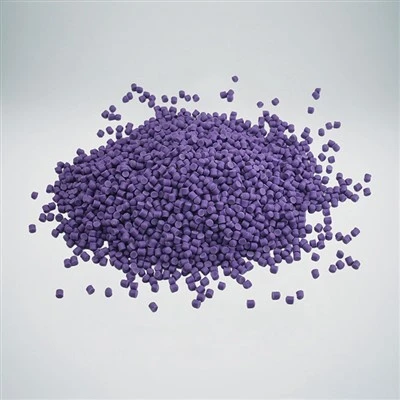
First, let’s get one thing straight: “high-temperature” here isn’t just a label. We’re talking about wiring that needs to handle continuous temps of 150°F to 250°F, with short-term spikes up to 300°F or more. Some even have to resist oils, chemicals, or UV, depending on where they’re going. The compounds we use for building wire aren’t just fancy plastics—they’re engineered to balance heat resistance, flexibility, and cost, so you don’t have to overspend or sacrifice performance.
First up, cross-linked polyethylene, or XLPE for short. This is the OG for high-temp building wire, and for good reason. Regular PE is flexible and cheap, but it softens around 120°F. Cross-linking changes its molecular structure by linking the PE chains together, which means it can hold up to 194°F continuous—way higher than PVC. I’ve had a food processing plant tell me their wiring near ovens was melting with PVC, so we switched to XLPE, and three years later, they still haven’t had a failure. The best part? XLPE doesn’t leach toxic fumes when it overheats, which is a big deal for food, healthcare, or enclosed spaces like offices. It’s also resistant to moisture, so it works great for underground or wet locations. The only downside? It’s a bit stiffer than PVC, which can make pulling wire through conduit a little trickier, but we add plasticizers to our XLPE compounds to fix that—no more fighting with stuck wire.
Next, there’s fluoropolymers, like PTFE (Teflon, for the uninitiated), FEP, and ETFE. These are the heavy hitters for extreme high temps—we’re talking 250°F continuous, with some ETFE grades pushing 300°F. If you’re wiring aerospace equipment, industrial furnaces, or raceway systems where temps regularly hit triple digits, fluoropolymers are the way to go. But let’s be real: they’re pricier than XLPE or PVC, so we don’t push ’em unless the project actually needs that kind of heat resistance. I once had a warehouse manager try to cut corners and use ETFE for a loading dock wiring job where it only needed to handle 160°F max—he paid 30% more than necessary and complained it was too slippery to work with. Our advice? Stick to fluoropolymers only when you need that next-level heat. They’re also super resistant to chemicals and UV, so they work for outdoor industrial applications where sun and oil are a problem. One thing to note: some fluoropolymers can become brittle when exposed to low temps, so if you’re working in a cold storage facility, pair ’em with a modifier to keep flexibility up.
Then there’s thermoplastic elastomers (TPE), specifically the modified grades we make for building wire. Wait, I know what you’re thinking—TPE is usually for toys or seals, but modified TPEs have come a long way. We tweak the base TPE to handle 180°F continuous, which is in the middle of XLPE and fluoropolymers, and they’re way more flexible than XLPE or PVC. That’s a game-changer for tight spaces in old buildings where conduit bends are sharp. I worked on a historic office renovation where we had to pull wire through 90-degree turns in old copper conduit—standard PVC broke, XLPE was too stiff, but our modified TPE went in smooth. They’re also cheaper than fluoropolymers, which makes them a sweet spot for many commercial projects. The catch? Don’t use them in areas with constant exposure to chemicals like gasoline or hydraulic fluid—they break down fast. Save TPE for indoor or semi-outdoor jobs where flexibility matters more than chemical resistance.
Oh, and let’s not forget silicone rubber. Silicone is the chameleon here—it can handle up to 250°F continuous, and it stays flexible even at sub-zero temps, which makes it perfect for places like cold storage or outdoor equipment in northern climates. It’s also super soft, so it’s easy to work with, and it’s resistant to moisture and UV. The downside? Silicone is more expensive than TPE or XLPE, and it’s not as resistant to oils or harsh chemicals. I once had a construction crew use silicone for wiring near a truck maintenance bay, and after six months, the oil from the trucks ate right through the insulation. We ended up switching to a modified fluorosilicone for that spot, which held up. If you go with silicone, make sure it’s the right grade for your environment—general purpose silicone won’t cut it for industrial zones.
Wait, a common mistake I see is mixing up continuous vs. short-term heat. Some compounds can handle a spike to 300°F for a few minutes, but if they’re at that temp 24/7, they’ll degrade in a year. That’s why it’s not just about picking a high number—you need to match the compound’s rating to your application’s actual operating temp. For example, if your data center’s backroom hits 170°F during peak hours, you don’t need a 250°F fluoropolymer; XLPE will work fine, and it’s half the cost. We always ask customers to send over their space’s temp logs, or take a minute to tell us what’s near their wiring (ovens? engines? chemicals?) so we can point them to the right compound.
Another thing: wire size matters too, right? Smaller gauge wire gets hotter faster, so if you’re using 14-gauge for a high-temp circuit, you might need a slightly more heat-resistant compound than you would for a 10-gauge wire carrying the same load. We test all our compounds with different gauges, so we can make sure you’re not underrating the insulation for the wire’s actual heat output. We also offer compound blends—like a TPE modified with a small amount of fluoropolymer, to get flexibility and a little chemical resistance, for jobs that are in between standard categories.
Let’s talk about real-world fails, because that’s what teaches people. Last year, a manufacturing plant in Ohio called us because their PVC wiring in their furnace room had cracked after 18 months. The room’s temp was a steady 165°F, which is just above PVC’s 140°F max. We switched them to our XLPE-based compound, and they just did a check-in last month—two years later, no cracks, no failures. Another time, a solar farm installer used standard PVC for the underground wiring between panels; the ground temps hit 150°F in summer, and the insulation melted, causing short circuits. We switched them to our UV-resistant XLPE, and the farm has run without issues for three years.
Now, how do we make these compounds, and why does that matter for you? As a supplier, we don’t just buy off-the-shelf plastics—we custom-formulate blends to meet specific needs. For example, we add thermal stabilizers to all our high-temp compounds to slow down heat degradation, and UV inhibitors for outdoor use. We also test every batch in our lab for tensile strength, flexibility, and heat resistance, so you don’t get a bad batch in the middle of a job. That’s the difference between working with a reputable compound supplier and a random online seller—we back our materials with real testing, not just spec sheets.
Wait, what about fire resistance? A lot of high-temp compounds are also flame-retardant, which is a bonus for buildings. XLPE is inherently flame-resistant, while we add flame retardants to TPE and silicone without messing with their heat ratings. That’s a big deal for code compliance—most commercial and industrial buildings require fire-resistant wiring, so you can’t just pick any high-temp compound; it has to meet NEC (National Electrical Code) standards. All the compounds we supply are NEC-listed, so you don’t have to worry about failing inspections.
I know choosing a compound can feel overwhelming, especially if you’re not a materials expert. That’s why we don’t just sell you a product—we walk you through it. If you send us your project details: where the wiring is going, the operating temps, any exposures to chemicals or UV, and the wire gauge, we’ll tell you exactly which compound works best, and even offer sample batches so you can test it on your own before you buy a big order. We’ve helped everyone from small electricians doing residential renovations to Fortune 500 companies building new manufacturing plants pick the right materials, and we’re not here to upsell you on a more expensive compound than you need.
Before I wrap this up, let’s do a quick cheat sheet to make it easy:
- Use XLPE for most indoor or underground high-temp jobs (150-194°F continuous, cheap, flame-resistant)
- Use modified TPE for tight conduit spaces (150-180°F continuous, super flexible, good for old buildings)
- Use fluoropolymers for extreme high temps or chemical/UV exposure (200-250°F continuous, pricy)
- Use silicone for cold environments (180-250°F continuous, flexible in cold, not for chemical exposure)
I’ve been in this business for over a decade, and the number one mistake people make is not planning for heat. They grab whatever PVC is cheapest, and end up replacing wiring a year later. Don’t do that—take the time to pick the right compound upfront, and you’ll save a ton of money and headaches down the line.
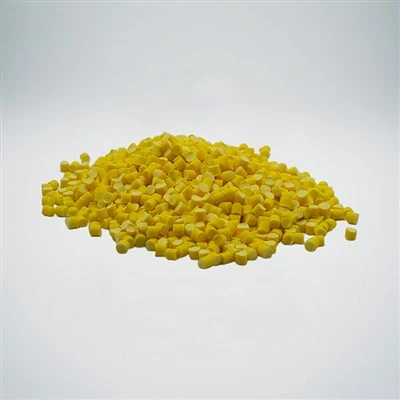
If you’re working on a project and need help figuring out which building wire compound is right for your high-temp wiring, or if you want to order samples to test, reach out to our team. We’re here to answer questions, adjust formulations to fit your specific needs, and make sure your wiring job goes smoothly. No pushy sales stuff, just real advice from people who know high-temp wiring inside and out.
References
- National Electrical Code (NEC) Article 311: Insulated Conductors for High-Temperature Locations
- Underwriters Laboratories (UL) Standard 83: Polyvinyl Chloride Insulated Cords and Cables
- IEEE Transactions on Dielectrics and Electrical Insulation, Vol. 22, No. 3: Thermal Degradation of Cross-Linked Polyethylene for Building Wire Applications
- DuPont Fluoroproducts: ETFE and FEP Properties for Wire and Cable Insulation
- Society of Plastics Engineers (SPE) Conference Proceedings: Modified Thermoplastic Elastomers for Flexible High-Temp Wiring
Cross-Linked LSZH Cable Compounds (Word count: 3,247)
Opta New Materials (Jiangsu) Co., Ltd.
As one of the most professional building wire compounds manufacturers and suppliers in China, we also support customized service. We warmly welcome you to buy bulk durable building wire compounds from our factory. If you have any enquiry about free sample, please feel free to email us.
Address: No.80, Jingang Avenue, Zhenjiang New Area, Zhenjiang City, Jiangsu Province, China.
E-mail: le.yin@optachem.com
WebSite: https://www.optanewmaterials.com/
