If you’re reading this, chances are you’re standing in the middle of a warehouse, staring at a stack of pallets and wondering why the hand pallet truck you grabbed last week keeps jamming or can’t hold more than half the stuff you need to move. Yeah, we’ve all been there. As a hand pallet truck supplier, I’ve talked to so many people who pick the wrong size on accident—either too small and flimsy, or too big and clunky to maneuver in tight aisles. Let’s break this down like we’re chatting over a coffee, no boring jargon, just the real stuff you need to know. Hand Pallet Trucks
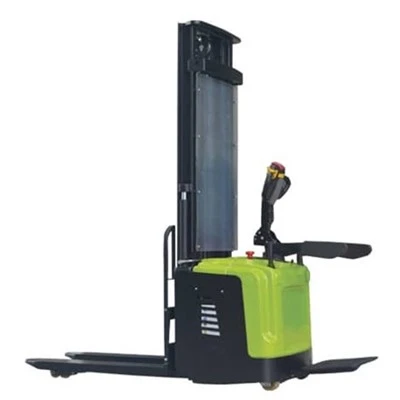
First, let’s get the basics straight: hand pallet trucks aren’t one-size-fits-all. The “size” here isn’t just about the height or weight it can lift (though that matters) — it’s mostly the fork length and fork width, plus a little bit about how much weight you’re actually moving. If you skip these two, you’re setting yourself up for headaches, damaged pallets, or even safety issues when a truck tips over mid-move.
Let’s start with fork length, because that’s the number one mistake people make. I can’t tell you how many times a guy comes in, says he needs a pallet truck, and walks out with a 48-inch model only to realize his pallets are 42 inches long. Wait, why does that matter? The forks need to slide all the way under the pallet’s bottom stringers (those thick wood pieces that run along the bottom of the pallet) so the weight is evenly distributed. If your fork is too short, half the pallet is hanging off, and every time you stop or turn, the pallet can shift, crack, or even fall. That’s not just a mess — that’s a broken pallet, maybe even spilled product on the floor, and a trip to the boss’s office you don’t want.
So how do you measure fork length correctly? Grab a pallet you actually use, not a random one from the back of the warehouse. Measure from the very tip of the pallet’s bottom edge (the end you’d slide the forks under) to the other end of the stringer. Then add 2 to 4 inches. Why? Because you need a little extra space to hook the forks in without scraping the floor, especially if your warehouse has uneven concrete. Let’s say your pallet is 48 inches long. Adding 3 inches gives you a 51-inch fork? Wait, no, hold on — most standard hand pallet truck fork lengths are 48, 55, and 60 inches. Wait, let’s clarify: standard GMA pallets (the ones most common in the US, like for Amazon or Walmart shipments) are 48 inches long. For those, a 48-inch fork is enough? Wait, no, actually, a lot of GMA pallets have stringers that run the full 48 inches, so a 48-inch fork works, but if you’re dealing with longer pallets — like 52 or 60 inches, common in furniture, lumber, or large appliance warehouses — you need a 60-inch fork. I had a customer last month who ordered a 48-inch truck for his 52-inch pallets. He said his old truck kept popping the pallets off, so he switched to a 55-inch, and now it’s smooth. That extra 7 inches made all the difference.
Then there’s fork width. This one’s easy to mess up too, especially if you’ve never measured it. Fork width is the space between the two forks, right? Standard hand pallet trucks have a fork width of about 27 inches, which fits most standard pallets. But if you use specialty pallets — like euro pallets, which are common in Europe and even here for some imported goods — euro pallets are narrower, around 21 inches. So a 27-inch fork width will be too wide for that, and the forks will hang over the sides, again, risking the pallet tipping. Or if you use chemical pallets, which are wider, sometimes up to 30 inches, you need a wider fork width to keep the load centered. Another thing: some companies use pallets with reinforced edges, or pallets that are made for heavy loads, so you want to make sure the fork width matches the pallet’s stringer spacing. If the forks are too close together, they won’t reach the stringers at all — they’ll just sit on the bottom of the pallet, and the whole load will be unstable.
Okay, so fork length and width are the main physical sizes, but wait — what about weight capacity? A lot of people think “bigger truck = more capacity,” which is true, but you don’t need a 5,500-pound capacity truck if you’re only moving 1,000-pound pallets of snacks. Wait, but let’s be real: even if you’re moving light loads, going with a lower capacity truck might save you a few bucks now, but it’ll break faster. Because the frame, the hydraulics, everything is built for a specific weight. If you’re constantly pushing a 1,500-pound load on a 2,200-pound capacity truck, the hydraulics will wear out way sooner. On the flip side, if you only have heavy loads — like machinery parts, boxes of canned goods, or construction materials — you can’t skimp. I’ve seen guys try to use a standard 5,500-pound truck for a 10,000-pound load, and the forks actually bent. That’s not a repair you want to pay for, plus you’re risking injury if the truck fails.
Wait, let’s talk about pallet types specifically, because that’s where a lot of confusion comes from. Let’s list the common ones so it’s easy:
-
Standard GMA Pallets (US Grocery Manufacturers Association): 48 inches long, 40 inches wide, fork width 27 inches, average weight capacity per pallet is 2,000-4,500 lbs. For these, a 48-inch fork, 27-inch width, 5,500 lb capacity is your go-to. This is the most common, so most people already have these trucks, but make sure you’re not using a 42-inch fork (those are for smaller pallets, like 36-inch ones) — that’s where the mistakes happen.
-
Euro Pallets (EPAL): 47.2 inches long, 31.5 inches wide, fork width is usually 21 inches (narrower than standard). So if you’re moving these, don’t grab a standard 27-inch fork width — you’ll end up with the forks too far apart, and the pallet will rock. Euro pallets also often weigh around 2,200 lbs, but some heavy-duty euro pallets can go up to 4,400 lbs, so make sure your capacity matches.
-
Long Pallets (Lumber, Furniture, Appliances): These can be 60 inches or longer, sometimes even 72 inches. For these, you need a 60-inch fork length (some even go to 72 inches, but those are specialty). Fork width is usually still 27 inches, but weight capacity is often 6,600 lbs or higher, because furniture and appliances are heavy. I had a customer who moves refrigerators — he was using a 48-inch truck and the refrigerators would hang off, so he switched to a 60-inch heavy-duty truck, and now he can move two small fridges at once instead of one. That’s a game-changer for productivity.
-
Chemical or Industrial Pallets: These are usually made of steel or thick plastic, wider, and can hold up to 10,000 lbs. For these, you need a heavy-duty hand pallet truck, with fork width up to 30 inches, and capacity of 10,000 lbs or more. Regular trucks won’t cut here — the forks will be too thin, the hydraulics won’t lift the weight, and you’ll have a major safety hazard.
Wait, another thing people forget: aisle width. Hand pallet trucks aren’t just about the pallets you’re moving — you have to fit them through your warehouse aisles, too. If your aisles are only 48 inches wide, a 60-inch long truck is going to be a pain to turn. You’ll be scraping the sides, bumping into shelving, wasting time. So if you have tight aisles, maybe a slightly shorter fork length is better, even if your pallets are a couple inches longer. Or, if you need longer forks for the pallets, make sure your aisle is wide enough — most people don’t measure their aisles, they just guess. I once talked to a guy who had a 52-inch pallet, 55-inch fork truck, and 45-inch aisles. He said he spent 20 minutes every time he turned the truck around, and was always hitting boxes. Once he widened his aisles a little, or switched to a slightly shorter fork, it cut his time in half.
Wait, let’s address a common myth: “I can just get the biggest truck available and it’ll work for everything.” No, that’s not true. Big trucks are heavier, so they’re harder to maneuver for one person. If you’re working in a small retail space, or a small warehouse where you’re moving pallets in and out of loading docks, a 60-inch, 10,000-lb truck will be tough to lift onto a loading dock, or to turn around in a back room. The smaller, lighter 48-inch, 5,500-lb truck is way easier for that. It’s not about how big the truck is — it’s about matching the truck to your specific loads and space.
Let’s do a quick example to make it real. Say you own a small grocery store, and you get pallets of canned goods, which are standard GMA (48 inches long, 2,500 lbs each). Your store’s loading dock has a 4-foot aisle leading into the back room. What size truck do you need? Fork length: 48 inches (matches your pallet, no extra needed, saves space). Fork width: 27 inches, standard for GMA pallets. Capacity: 5,500 lbs, which is way more than enough for 2,500 lbs, so it’ll last longer. That’s the perfect match. Now, if you also get pallets of furniture, which are 60 inches long, 5,000 lbs each, you’ll need a second truck with 60-inch forks and 6,600-lb capacity, because you can’t fit that furniture pallet on the smaller truck, and you can’t move 5,000 lbs on the 5,500-lb one (wait, 5,000 is under 5,500, but the fork length is too short — that’s the problem, not the capacity).
Another example: if you’re a manufacturer of plastic products, and you use euro pallets (47 inches long, 21 inches fork width, 2,200 lbs). Your warehouse has wide aisles, so maneuvering isn’t an issue. You need a truck with 48-inch forks (slight extra space) to fit the euro pallets, 21-inch fork width, and 3,300-lb capacity. That way, it’s not too heavy, fits your pallets, and doesn’t waste space.
Wait, what about used trucks? A lot of people go for used to save money, but make sure the size matches, too. A used truck with 60-inch forks won’t help you if your pallets are 48 inches — it’ll still hang off. And used trucks often have worn hydraulics, so if you’re moving heavy loads, new is better, because the capacity is accurate.
Now, let’s talk about mistakes to avoid, because these are the ones we see every day:
-
Measuring the pallet wrong: Don’t just measure the top of the pallet — measure the bottom stringers, where the forks slide in. Some pallets have tapered stringers, so if you measure the top, you’ll get a longer length than the actual space for the forks. That’s a big one.
-
Ignoring fork width: We already touched on this, but so many people buy a standard truck and then realize their pallets are too narrow or too wide. It’s like buying shoes that fit your foot length but not your width — they’re uncomfortable, and they’ll hurt you or break fast.
-
Going too small on capacity: Even if you’re only moving 2,000 lbs, a 2,200-lb truck will wear out in 6 months. Get the next size up, it’s worth the extra $50 or $100 to not have to replace it every year.
-
Forgetting aisle size: If your aisles are tight, don’t get a super long truck. You’ll waste time, damage your truck or your goods, and get frustrated.
Okay, so now you know what size you need, but if you’re still unsure — and let’s be honest, not everyone wants to measure every pallet or every aisle — just reach out. We’ve been in the hand pallet truck business for years, and we can help you match your specific pallets and space to the right size. Whether you’re a small shop with 10 pallets a week, or a big warehouse with 100 pallets a day, we’ve got trucks that fit. Don’t waste money on the wrong size, don’t deal with broken pallets or slow moves — let us help you get the right one for your needs.
If you have questions, need help measuring, or want to see what we have, just get in touch with our team to discuss your specific pallet and space requirements. We’re here to make this easy, no confusing jargon, no upsells — just the right truck for your business.
References:
Material Handling Industry Association. (2022). Guide to Hand Pallet Truck Specifications and Sizing.
OSHA. (2021). Best Practices for Material Handling Equipment Selection and Use.
National Wooden Pallet & Container Association. (2020). Pallet Dimensions and Compatibility with Material Handling Equipment.
Industrial Truck Association. (2023). Hand Pallet Truck Standard Sizes and Capacity Guidelines.If you’re reading this, chances are you’re standing in the middle of a warehouse, staring at a stack of pallets and wondering why the hand pallet truck you grabbed last week keeps jamming or can’t hold more than half the stuff you need to move. Yeah, we’ve all been there. As a hand pallet truck supplier, I’ve talked to so many people who pick the wrong size on accident—either too small and flimsy, or too big and clunky to maneuver in tight aisles. Let’s break this down like we’re chatting over a coffee, no boring jargon, just the real stuff you need to know.
First, let’s get the basics straight: hand pallet trucks aren’t one-size-fits-all. The “size” here isn’t just about the height or weight it can lift (though that matters) — it’s mostly the fork length and fork width, plus a little bit about how much weight you’re actually moving. If you skip these two, you’re setting yourself up for headaches, damaged pallets, or even safety issues when a truck tips over mid-move.
Let’s start with fork length, because that’s the number one mistake people make. I can’t tell you how many times a guy comes in, says he needs a pallet truck, and walks out with a 48-inch model only to realize his pallets are 42 inches long. Wait, why does that matter? The forks need to slide all the way under the pallet’s bottom stringers (those thick wood pieces that run along the bottom of the pallet) so the weight is evenly distributed. If your fork is too short, half the pallet is hanging off, and every time you stop or turn, the pallet can shift, crack, or even fall. That’s not just a mess — that’s a broken pallet, maybe even spilled product on the floor, and a trip to the boss’s office you don’t want.
So how do you measure fork length correctly? Grab a pallet you actually use, not a random one from the back of the warehouse. Measure from the very tip of the pallet’s bottom edge (the end you’d slide the forks under) to the other end of the stringer. Then add 2 to 4 inches. Why? Because you need a little extra space to hook the forks in without scraping the floor, especially if your warehouse has uneven concrete. Let’s say your pallet is 48 inches long. Adding 3 inches gives you a 51-inch fork? Wait, no, hold on — most standard hand pallet truck fork lengths are 48, 55, and 60 inches. Let’s clarify: standard GMA pallets (the ones most common in the U.S., like for Amazon or Walmart shipments) are 48 inches long. For those, a 48-inch fork is enough? Actually, most GMA pallets have stringers that run the full 48 inches, so a 48-inch fork works, but if you’re dealing with longer pallets — like 52 or 60 inches, common in furniture, lumber, or large appliance warehouses — you need a 60-inch fork. I had a customer last month who ordered a 48-inch truck for his 52-inch pallets. He said his old truck kept popping the pallets off, so he switched to a 55-inch, and now it’s smooth. That extra 7 inches made all the difference.
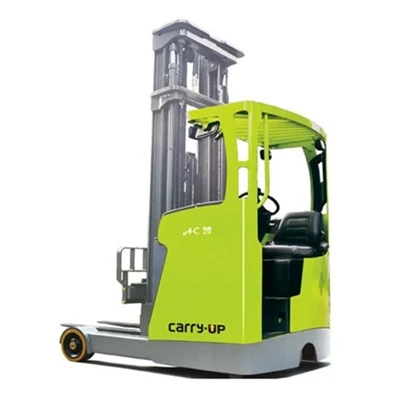
Then there’s fork width. This one’s easy to mess up too, especially if you’ve never measured it. Fork width is the space between the two forks, right? Standard hand pallet trucks have a fork width of about 27 inches, which fits most standard pallets. But if you use specialty pallets — like euro pallets, which are common in Europe and even here for some imported goods — euro pallets are narrower, around 21 inches. So a 27-inch fork width will be too wide for that, and the forks will hang over the sides, again, risking the pallet tipping. Or if you use pallets with reinforced edges, or pallets made for heavy loads, you want to make sure the fork width matches the pallet’s stringer spacing. If the forks are too close together, they won’t reach the stringers at all — they’ll just sit on the bottom of the pallet, and the whole load will be unstable.
Lift Table Okay, so fork length and width are the main physical sizes, but wait — what about weight capacity? A lot of people think “bigger truck
Hangzhou Carry Equipment Co., Ltd.
Hangzhou Carry Equipment Co., Ltd. is one of the most professional hand pallet trucks manufacturers and suppliers in China, also supports customized service. Please feel free to buy advanced hand pallet trucks for sale here and get quotation from our factory. For price consultation, contact us.
Address: No.360 Tongxiang Rd., Yinzhou Economic Development Zone, Yinzhou Dist., Ningbo, China
E-mail: Sales@carryupmhe.com
WebSite: https://www.carrymhe.com/
