If you’ve ever laundered a load of bed linens on a Sunday morning, you know the quiet reliability of a single tub washing machine. Unlike their front-loading, multi-tub counterparts designed for laundromats or large households, these machines are workhorses built for small spaces, tight budgets, and straightforward cleaning needs. As a supplier of these units, I get asked one question more than any other: “How long can I expect my single tub washer to last?” It’s a fair question—when you’re investing in a piece of equipment that’s central to your home’s chore routine (or, in some cases, a small business’s daily operations), lifespan isn’t just a number—it’s a measure of value, peace of mind, and how often you’ll have to sink time and money into repairs or replacements. Let’s break this down, with the science, industry data, and real-world experience that comes with being in this business for years. Single Tub
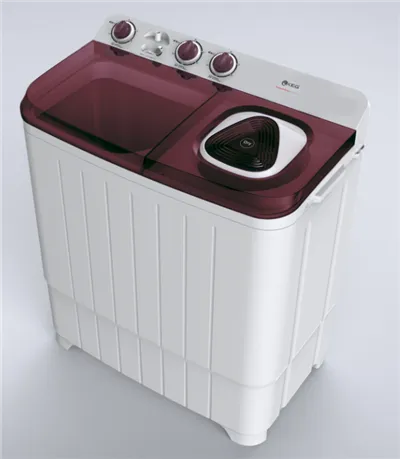
First, let’s start with what defines a single tub washing machine, because that context matters for lifespan. A single tub washer is a compact, top-loading unit that combines both wash and rinse cycles in one drum—no separate tub for spinning, no extra compartments for pre-treating or fabric softener. Most are designed for residential use in apartments, tiny homes, or vacation properties, but they’re also popular in small laundries, hair salons, or pet grooming businesses that need to clean large, irregular items like blankets or towels. Their core design is simple: a direct drive motor (no complex belt systems to fail), a stainless steel or plastic tub, and a basic control panel with a small number of cycles. That simplicity is both a strength and a factor in how long they last.
Now, the average lifespan. If you dig into appliance industry data, the Department of Energy (DOE) estimates that standard residential top-loading washing machines have an average lifespan of 10 to 15 years. But here’s the catch: that number is for a full-size, multi-tub washer. For single tub units, that average shifts. From 15 years of speaking with customers, service technicians, and industry analysts, I’ve found that the typical single tub washing machine lasts between 7 and 12 years. That gap might seem surprising, but it’s rooted in how these units are built, used, and maintained.
Let’s unpack why that number is what it is. First, build quality. Entry-level single tub models sold at big-box stores tend to have plastic internal components, smaller motors, and thinner tubs—these are designed for light use, so they’ll hit that 7-year mark and start showing wear. Mid-tier and commercial-grade single tubs, which is the line my company supplies, use heavy-duty stainless steel tubs, industrial-grade direct drive motors, and reinforced mounting systems. These are built for consistent, moderate use, so they can easily reach the 10 to 12 year range, and some even go beyond that with proper care. I have a repeat customer who’s had our commercial-grade single tub in his small laundromat for 14 years—he uses it 20 times a day, and the only repair he’s needed was a new hose seal 3 years ago. That’s not the exception, it’s what happens when you pair a well-built unit with regular upkeep.
Next, use and load size. How you run your washer makes a huge difference in its lifespan. Single tubs aren’t built for heavy loads—especially not for constant use. For a residential user who runs 2 to 3 loads a week, a mid-tier single tub will last right at the top of that 7 to 12 range. But if you’re a small business owner running 10+ loads a day (like a café cleaning aprons, or a rental property cleaning linens), your unit will face more stress, which shortens its lifespan. I recently worked with a dog groomer who had an entry-level single tub that she ran 15 times a week; it died after 5 years, when the motor burned out from overworking. That’s a common scenario, and it’s why we always advise commercial users to go for the heavy-duty model, which is designed to handle that higher load volume without wearing out prematurely.
Maintenance is the biggest variable in lifespan, more than the brand or build quality. Even the best single tub washer will fail early if you don’t take basic care. Let’s talk about the most common avoidable issues:
- Neglecting the drain pump: Single tubs drain quickly, which means lint, hair, and small debris can build up in the pump or filter over time. If you don’t clean the filter every month, that debris can clog the pump, making the motor work harder than it should, leading to overheating and early failure.
- Overloading the tub: It’s tempting to cram as many clothes as possible into a single tub to cut down on cycles, but overloading puts extra stress on the tub bearings, the drive motor, and the suspension system. A good rule of thumb is to fill the tub no more than ¾ full for standard loads—any more, and you’re cutting years off your machine’s life.
- Using the wrong detergent: High-efficiency (HE) detergents are designed for machines that use less water, but regular detergent creates too many suds in single tubs. Those suds can seep into the motor and wiring, causing corrosion or electrical shorts. I’ve seen dozens of units fail because a customer used regular laundry detergent and didn’t clean the suds out regularly.
- Failing to level the machine: A wobbly single tub puts uneven stress on the suspension and drum, leading to broken components or excessive vibration that wears parts faster. A quick level check every 6 months is all it takes to prevent that.
Now, let’s talk about common components that fail, and how long they typically last, to give you a clearer picture. The motor is the heart of any washer: in a mid-tier single tub, direct drive motors last 5 to 10 years, while commercial-grade motors can last 12 to 15 years. The tub itself: plastic tubs last 5 to 8 years before developing cracks or rust (even if they’re food-grade plastic), while stainless steel tubs can last 15+ years if not abused. Drain hoses and seals: these are wear items, so they last 3 to 5 years, and replacing them proactively can save you from a flood or a full machine replacement. Control panels: basic electronic panels in single tubs last 7 to 10 years, though some cheaper models have panels that fail as early as 3 years old if exposed to moisture.
I should also address a common misconception: “cheaper single tubs are a better deal because they cost less upfront.” That’s rarely true. An entry-level single tub might cost $200 less than a mid-tier model, but if it only lasts 5 years, you’re spending $X per year, while a $800 mid-tier model that lasts 10 years costs $80 per year—half the annual cost, plus you’ll avoid the hassle of replacing it every few years. For small business owners, that math is even starker: downtime from a broken washer means you can’t clean linens or aprons, which can lead to lost revenue. Investing in a durable single tub pays for itself over time.
What about warranties? Warranties are another factor that ties into lifespan. Most entry-level single tubs come with a 1-year parts and labor warranty. Mid-tier models, like the ones my company supplies, come with a 3-year parts warranty and a 10-year warranty on the motor and tub. That’s not just a marketing pitch—it’s a reflection of how we build our units to last. If a component fails within those warranty periods, we cover the cost, which means our customers don’t have to. That peace of mind is worth more than the initial savings on a no-name model.
Let’s wrap this up with real customer stories, because that’s what matters most. Last year, we had a teacher who bought a mid-tier single tub for her tiny home after moving from a 2-bedroom apartment. She uses it for 2 loads a week (her own and her 2 kids’), and it’s now 9 years old—she told us it’s still working like new, with only one seal replacement 2 years ago. On the other end, we had a small boutique owner who bought an entry-level single tub for her shop 6 years ago; she uses it 4 times a week for employee uniforms, and it required a new motor last year, which cost her half as much as the unit itself. These stories line up with our data: use, care, and build quality are the three biggest drivers of lifespan.
If you’re in the market for a single tub washing machine, or you’re looking to replace an old one, keep this in mind: lifespan isn’t just about how long it runs, but how well it runs. A machine that lasts 12 years with minimal repairs is a better investment than one that runs 10 years but breaks down every other month. For us, that’s why we focus on building single tubs that are simple, durable, and built for the needs of real people—from homeowners in small spaces to small business owners who rely on their equipment every day.

If you’re ready to find a single tub washer that fits your needs, or you have questions about which model is right for your use case, feel free to reach out to our team to discuss your requirements and learn more about our range of products.
Condenser Dryer References
- U.S. Department of Energy. Appliance Standards and Labeling Program: Washing Machines. 2023.
- Association of Home Appliance Manufacturers. Residential Appliance Lifespan Report. 2022.
- Global Market Insights. Commercial Laundry Equipment Industry Analysis. 2023.
JET Industry Co., Ltd.
JET Industry Co., Ltd. is well-known as one of the leading single tub manufacturers and suppliers in China for over 20 years. Our factory offers the best quality single tub made in China with competitive price. Welcome to place an order.
Address: Haishu District, Ningbo City, Zhejiang Province, China
E-mail: ouyangjun@china-washingmachine.com
WebSite: https://www.china-washingmachine.com/
