Hey there, ever found yourself squishing a bag of chips mid-hike because it’s lighter than a rock? Or grabbed a perfectly sealed pouch of coffee that’s stayed fresh for months? Chances are, that food, snack, or even the small gadget you stashed in a wrapper was made with flexible packaging rollstock. As someone who’s spent years in the flexible packaging rollstock game – that’s the stuff I supply, if you didn’t catch on right away – I get how confusing this jargon can be for anyone not deep in the supply chain weeds. Let’s break this down like we’re chatting over a coffee (the good kind, not the watery office stuff), no corporate fluff or fancy lingo. Flexible Packaging Rollstock

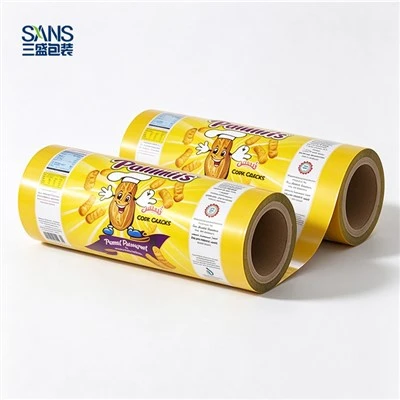
First off, what even is flexible packaging rollstock? Simply put, it’s the long, continuous roll of thin, flexible material that gets converted into all those pouches, bags, wraps, and labels you see on store shelves. Think of it like a big, flat, stretchy “blank canvas” that’s printed, cut, folded, sealed, and shaped into whatever packaging a brand needs. Unlike rigid packaging – like glass bottles or plastic tubs that are molded into a final shape right away – rollstock is a base material that you work with later. It’s not just one thing either; it’s a mix of layers, tailored for whatever it’s holding. That’s the part most folks don’t realize – it’s not just plastic!
Let me paint a quick picture of how it works. Back in my warehouse, we get giant spools of raw materials – things like polyethylene (PE), polypropylene (PP), PET, even aluminum foil – all stacked together to make those multi-layer rolls. We print the design directly onto the roll before it’s cut, so a bag of Oreos has its iconic cookie logo printed right on the rollstock before it’s turned into a pouch. Then, we process it with heat and pressure to seal the edges, punch holes for handles if it’s a shopping bag, or add zippers for easy reclosability. It’s this whole line of steps that turns a boring roll of film into something that keeps your snack fresh for 6 months or protects a delicate piece of electronics from dust.
Now, why does this matter so much? Let’s talk perks first, because that’s what gets brands excited. Flexible packaging rollstock is way lighter than rigid stuff – like, a fraction of the weight. If a snack company uses rollstock for their chips instead of rigid plastic tubs, they cut down on shipping costs like crazy. Less weight means less fuel burned to move packages, which is a win for both their bottom line and the planet (more on that later). It’s also super space-efficient – you can stack rolls in a warehouse way easier than big plastic jugs, and the final packaged products take up less room on store shelves, which means brands can fit more inventory in the same space. That’s a huge deal for small brands trying to compete with big names.
But the real magic is how customizable rollstock is, right? Let’s say you’re a craft beer brand that wants a can liner that’s oxygen-resistant to keep your beer tasting crisp. Or a pet food company that needs a rollstock that can hold up to freezing temperatures so the food doesn’t go bad in the winter. We can tweak the layers to do all that. For example, adding a thin aluminum foil layer blocks light and oxygen – perfect for coffee or baby formula that can get ruined by exposure. If you need something stretchy for vacuum-sealing meat, we adjust the PE layers to give it that extra give. There’s even rollstock with antimicrobial properties for fresh produce, so it stays fresher longer on grocery store shelves. It’s like building a personalized material for exactly what the product needs.
Wait, but let’s get real – not all rollstock is created equal. I’ve seen brand after brand come to us complaining that their old supplier’s rollstock kept tearing mid-conversion, or their printed design faded after a few months on the shelf. That’s why choosing a supplier isn’t just about ordering a roll of plastic – it’s about finding someone who knows how to match the rollstock to your product. For example, if you’re packaging a liquid like soda, you need rollstock that’s leak-proof, so we add an extra layer of LDPE (low-density polyethylene) to seal out moisture. If it’s a dry product like cereal, you need it to be moisture-resistant, so maybe a mix of PP and PET works best. The wrong layers mean the product goes bad early, or the packaging looks cheap – that’s a headache no one wants.
Now, the elephant in the room: sustainability. I get it, everyone’s talking about plastic waste these days, and flexible packaging has gotten a bad rap sometimes. But here’s the thing – good flexible packaging rollstock isn’t just plastic for plastic’s sake. A lot of what we supply is recyclable, and we’re working on more compostable options too. Wait, let me clarify: not all flexible packaging is the same. Mono-material rollstock (which is made of just one type of plastic, not multiple layers mixed together) is way easier to recycle than multi-layer stuff, and we’ve been pushing for that a lot lately. Brands are also switching to rollstock made with post-consumer recycled (PCR) plastic – that means it’s made from plastic bottles that would’ve otherwise gone to a landfill. And since it’s lighter, it actually produces less carbon emissions during shipping than rigid packaging, which is a big sustainability win that a lot of people miss.
I also want to bust a common myth: people think flexible packaging is “less durable” than rigid. But if you pick the right rollstock, it can be stronger. Those Mylar bags your hiking buddies use? They’re made of rollstock, and they can withstand being stuffed in a backpack, dropped, and not tear. The Amazon packages that hold your new laptop? Rollstock, designed to be puncture-resistant so your stuff arrives safe. It’s all about choosing the right formula.
So, what does the process look like for a brand that’s new to using rollstock? Let’s say you’re a startup that makes organic nuts. You’d reach out to a rollstock supplier like me, we’d chat about your needs – are these nuts going to be stored in a warehouse for a few months? Do they need a resealable zipper? What kind of design do you want printed? Then we’d create a sample rollstock for you to test, run trials, make sure it works with your packaging machine, and adjust anything that needs tweaking. Once you’re happy, we make the full-size rolls, ship them to your facility, and you get to turn that raw material into finished pouches. It’s not just a one-and-done order; it’s a partnership, honestly.
Wait, let’s talk about my side of things for a second. I’ve been in this game for 12 years, and I’ve seen rollstock go from a random afterthought to a game-changer for so many industries. Food and beverage is obviously the biggest user – from chips to frozen veggies to craft soda. But we also supply rollstock for medical devices, so those sterile pouches that hold bandages or single-use tools? Rollstock. Cosmetics: those squeeze tubes for lip gloss or face wash? Yep, that starts as a roll. Even automotive parts sometimes use flexible packaging rollstock to protect small metal pieces during shipping. It’s everywhere, you just don’t always notice it.
Now, if you’re a brand owner, a packaging manager, or even just someone curious about this stuff, let’s be real. You don’t need to know every single type of resin or layer to use rollstock. But understanding that it’s a versatile, customizable, efficient material that can work for almost any product is key. The biggest mistake I see brands make is going for the cheapest rollstock they can find, only to have problems later – like batches of their product spoiling because the packaging wasn’t airtight, or downtime on their conversion line because the rollstock kept tearing. That’s why working with a reliable supplier (hi, that’s me) matters. We test every roll we send out, we work with you to adjust the material if your product changes, and we’re here when you have a question at 2 a.m. because your packaging line is down (yes, that happens more often than you think).
Let’s circle back to that initial example: the bag of chips on your hike. That bag is a product of flexible packaging rollstock. It’s lightweight, so the brand can ship a pallet of 500 bags without paying for a ton of extra weight. It’s got a nitrogen flush inside to keep the chips crispy – and that bag is made from rollstock that’s oxygen-resistant, so the nitrogen doesn’t leak out. It’s got a resealable zipper (or a crimp seal) so you can eat half the bag and save the rest for later. All of that starts as a single roll of material before it’s ever turned into that chip bag.
I get that if you’re not in packaging, this all might seem a little mundane, but it’s the unsung hero of so many products we use every day. It’s not just plastic – it’s a engineered material designed to protect, preserve, and promote brands. And as a rollstock supplier, my job is to make that process as smooth as possible for whoever I’m working with, whether it’s a tiny local coffee roaster or a big national snack company.
If you’re thinking about switching to flexible packaging, or you’re just looking for a better rollstock supplier, I’d love to chat. No sales pitch, no confusing jargon, just talking through your needs and seeing how we can help. Whether you need a small run of custom rollstock for a new product launch or a steady supply for your existing line, I’m here to make sure you get exactly what you need, on time, without the headaches.
Custom Packaging Bags References:
- Flexible Packaging Association. (2023). “Flexible Packaging Rollstock: A Comprehensive Overview.”
- European Plastic Converters Association. (2022). “Sustainability Metrics for Flexible Packaging Rollstock.”
- U.S. Environmental Protection Agency. (2021). “Lightweight Packaging Solutions and Carbon Emission Reductions.”
- Institute of Packaging Professionals. (2023). “Custom Flexible Packaging: Material Selection for Product Protection.”
Dongguang County Sansheng Plastic Packaging Co., Ltd.
Dongguang County Sansheng Plastic Packaging Co., Ltd. is one of the most professional flexible packaging rollstock manufacturers and suppliers in China, also supports customized service. Welcome to buy advanced flexible packaging rollstock made in China here and get quotation from our factory. Quality products and low price are available.
Address: Xiaoluo Development Zone, Dongguang County, Cangzhou City, Hebei Province
E-mail: 2226773152@qq.com
WebSite: https://www.sanspackagingbags.com/
