If you’re in the business of delivering perishables—think fresh produce, dairy, artisanal baked goods, or even pharmaceuticals that need cold chain integrity—choosing the right refrigerated tricycle isn’t just a purchase; it’s a decision that impacts your daily operations, customer trust, and bottom line. As a supplier who’s worked with small local food distributors, large catering companies, and independent delivery teams for over a decade, I’ve seen this question come up again and again: new or used? It’s not a one-size-fits-all answer, but breaking down the variables can help you pick something that aligns with your specific needs, budget, and long-term goals. Let’s dive into the details so you can make a choice that works for you. Refrigerated Tricycle
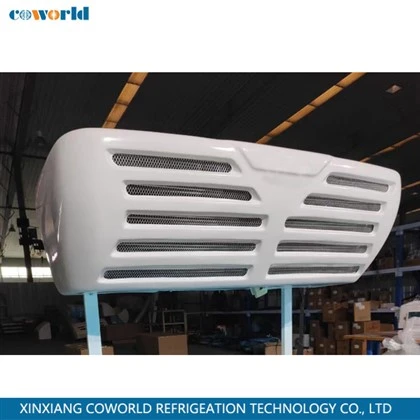
First, let’s clarify what a refrigerated tricycle does, because that’s the foundation of any smart decision. Unlike standard cargo tricycles, these units have an insulated cargo box, a refrigeration unit (usually powered by the tricycle’s battery, a small gas engine, or a combination), and temperature controls that let you set and maintain consistent cold—typically between 32°F and 40°F for produce, or lower for frozen goods. For urban and suburban areas, they’re a game-changer: they’re smaller than delivery vans, easier to maneuver through traffic and narrow alleyways, cheaper to operate than gas-powered vehicles, and don’t require the same permits as motorized vans in many cities. That utility is why they’re so popular now, but the line between new and used can feel blurry if you don’t know what to prioritize.
Let’s start with the case for a new refrigerated tricycle. The biggest selling point here is peace of mind, and that’s not just a sales pitch. When you buy new, every component is factory-fresh: the frame, the battery, the refrigeration unit, the insulation. There’s no hidden wear that might cause a breakdown mid-delivery, which is a critical risk when you’re handling time-sensitive goods. I once had a customer, a small organic juice delivery service, who switched from a used tricycle that broke down twice a week—costing them spoiled product and missed delivery windows—to a new unit. Their downtime dropped by 90% in the first quarter, and they were able to take on three more small café clients because they could rely on consistent service. That’s tangible, bottom-line value that’s hard to measure until you’ve lived through the alternative.
Another advantage of new units is customization. As a supplier, we build refrigerated tricycles to order, so you can tailor everything to your business: the size of the cargo box (whether you need space for 5 crates of yogurt or 10 boxes of frozen pizza), the type of refrigeration system (battery-powered for quiet, zero-emission inner-city routes, or hybrid for longer hauls), even add-ons like a lockable cargo compartment for high-theft areas or a digital temperature logger that lets you track conditions in real time. If you’re starting out with a specific niche—say, same-day dessert delivery—you don’t want to compromise on space or temperature control because a used unit doesn’t fit your needs. Customization ensures the tricycle works for your operations, not against them.
Warranty is another big one with new units. Most manufacturers offer a 1-2 year warranty on the refrigeration unit and a 3-5 year warranty on the frame and electrical components. That means if something goes wrong—whether it’s a faulty compressor or a battery that dies prematurely—you’re covered, often at no extra cost. For a small business, unexpected repair bills can derail a month’s budget. I’ve had customers with used tricycles spend $800 on a replacement refrigeration unit, which is almost half the cost of a basic new entry-level model. The warranty on a new unit eliminates that risk entirely.
Now, let’s talk about the downsides of new, because it’s not all perfect. The upfront cost is significantly higher. A basic new refrigerated tricycle runs between $3,500 and $5,500, depending on customization, while a used one (less than 3 years old, well-maintained) might go for $1,500 to $2,500. For a brand new business with a tight budget, that gap can be the difference between launching and waiting a few more months. There’s also a learning curve if you’re not familiar with the model—while new units are reliable, you might have to wait for specific parts if something does go wrong, though most suppliers keep common parts in stock for new units to minimize downtime.
That brings us to used refrigerated tricycles, which make a lot of sense for some businesses. The biggest draw is, obviously, cost savings. If you’re operating on a thin margin, or only need the tricycle for a few routes a week, a used unit can let you get up and running without a large initial investment. I work with a chain of neighborhood bakeries that only need a tricycle to deliver custom cakes to local event venues on weekends; a used unit fits their needs perfectly, because they don’t rely on it for daily full-time delivery. For that kind of light use, the wear and tear is minimal, and a used tricycle can handle it easily.
Another benefit of used units is that many of the kinks have already been worked out. Early models of refrigerated tricycles had issues with battery life or insulation thickness, but units from 3+ years ago have had those problems fixed through updates. A used tricycle that’s been well-maintained by a previous owner might have a proven track record of reliable performance, so you know exactly what you’re getting—no prototype risks. That’s not to say all used units are good, but if you shop carefully, you can find one that’s been used gently and serviced regularly.
Now, the caveats with used units are just as important as the benefits, and these are the ones that trip up many new buyers. First, hidden maintenance costs. A tricycle that looks like it’s in good shape might have a worn-out battery that only lasts 2 hours on a full charge, or insulation that’s degraded, leading to higher energy use and inconsistent temperatures. I once had a customer buy a used tricycle from a private seller, only to discover the refrigeration unit was leaking refrigerant—fixing that cost him $1,000, almost twice what he paid for the unit itself. It’s critical to have a trusted mechanic inspect any used tricycle before you buy it, which adds an extra step and cost to the process.
Warranty is another big issue. Most used refrigerated tricycles are sold “as-is,” meaning any repairs after purchase are your responsibility. Even if the original warranty is still active, it’s often not transferable, or has a clause that requires maintenance records to be valid—something many private sellers don’t keep. If a component breaks a month after you buy, you’re on the hook for the entire repair. For a business that can’t afford downtime, that’s a huge risk.
There’s also the issue of customization. Most used tricycles are one-size-fits-all, built for a general use case, so you might not get the exact cargo box size, refrigeration type, or add-ons you need. If you’re delivering large items like bulk produce, a used unit with a small cargo box will force you to make twice as many trips, eating into your time and profits. If you’re delivering frozen goods, a used unit with outdated insulation might keep food cold enough for a short route but not a longer one.
So, how do you actually decide which is right for you? Let’s break this down into a few key factors to evaluate before you make a choice.
First, calculate your daily route and usage. How many deliveries do you make a day? How long are you on the road? If you’re doing 5+ deliveries a day, 6 days a week, covering 20+ miles, a used tricycle’s wear and tear will add up quickly, leading to more breakdowns. If you’re only doing 2-3 weekend deliveries, 5 miles total, a used unit is more than enough. Also, consider the climate: if you’re operating in a hot area, a refrigeration unit with weaker insulation will struggle in high temperatures, and a used unit might not hold up as well as a new one with updated materials.
Second, look at your budget and long-term plans. If you have the upfront capital to invest in a new unit, and you plan to grow your delivery business in the next 2-3 years, a new tricycle is a better long-term investment. The reliability and warranty will save you money on repairs and downtime down the line, and as your business grows, you can add more units that all use the same model, making maintenance and training easier. If you’re just starting out and testing a new service, a used unit is a low-risk way to see if the refrigerated tricycle model works for your business, without tying up too much cash.
Third, evaluate the condition of any used unit you’re considering. If you go the used route, don’t buy from a private seller without an inspection. Ask for maintenance records—if the previous owner has been servicing the tricycle every 6 months, that’s a good sign. Test drive it: check the battery life (how long does it last on a full charge?), the refrigeration unit (does it hold a steady temperature, or does it fluctuate?), and the frame (are there any cracks or rust, especially around the cargo box?). If a dealer is selling used units, ask if they offer a short-term warranty—some reputable dealers will give you 30 days to test the unit, which takes a lot of the risk out.
There’s also a middle option that many businesses overlook: a certified pre-owned (CPO) refrigerated tricycle, sold by a reputable supplier like us. CPO units are used, but they’ve been fully inspected, serviced, and come with a 6-12 month warranty. They’re cheaper than new, but offer more reliability and coverage than private-sale used units. We have a line of CPO units that are less than 2 years old, with 500 miles or less, and we include a 12-month warranty on the refrigeration unit and battery. For many small businesses, this is the sweet spot: you get the lower cost of used, but the peace of mind of a supplier-backed warranty and inspection.
Let me give you a real example to illustrate this. Last year, two customers approached us with similar needs: both were local food delivery services, about 10 deliveries a day, 5 days a week. The first, a farm-to-table salad delivery service, had a budget of $4,000. They opted for a CPO unit: we inspected it, replaced the battery, topped off the refrigerant, and gave them a 12-month warranty. Total cost was $3,800, $200 under their budget. Six months later, they’ve had zero breakdowns, their delivery times are consistent, and they’ve added two regular clients. The second, a small bakery with a $3,000 budget, bought a used unit from a private seller. Three months in, the refrigeration compressor failed, and repairs cost them $950, pushing their total spend to almost $3,950—more than the CPO unit. They’ve had two more minor issues, and they now regret not going with the CPO option.
That’s not to say used is always a bad choice. A customer who runs a seasonal ice cream delivery business, only active from May to September, bought a used unit for $1,800. They use it 40 hours a week during the summer, then store it in a climate-controlled garage for the rest of the year. It’s now 4 years old, and still works perfectly. For their light, seasonal use, the used unit was a perfect fit, and they saved thousands over a new model.
So, what’s the final takeaway? There’s no right or wrong answer, but it depends on three core questions: How much do you rely on your tricycle to operate? How much risk can your business afford to take? And what’s your long-term plan? If your tricycle is your primary mode of delivery, you have a steady revenue stream, and you want to minimize downtime, a new (or certified pre-owned) refrigerated tricycle is the best investment. If you’re testing the waters, have a light, seasonal use case, or are working with a very tight budget, a well-maintained used unit can work—just make sure you inspect it thoroughly and factor in potential repair costs.
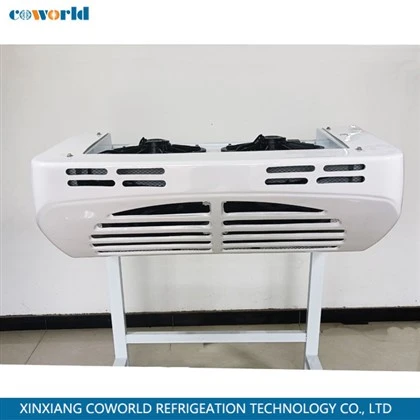
Rootop Refrigeration Unit At the end of the day, the goal of a refrigerated tricycle is to help you deliver fresh goods reliably, keep your customers happy, and grow your business. Whether you choose new or used, the right unit will do that. If you’re still not sure what fits your needs, reach out to us to discuss your specific operations, and we can help you evaluate which option is best for you. We don’t push one size fits all—we work with you to find a unit that matches your routes, your budget, and your goals, so you can focus on what matters most: delivering great products to your customers.
References
- National Association of City Transportation Officials (NACTO). 2022 Urban Delivery Vehicle Guide: Cold Chain and Last-Mile Logistics. NACTO, 2022.
- U.S. Small Business Administration (SBA). “Buying Used Equipment: Tips for Small Businesses.” SBA.gov, 2023.
- International Association of Cold Chain Logistics (IACCL). 2023 Refrigerated Last-Mile Vehicle Benchmark Report. IACCL, 2023.
- Automotive Service Association (ASA). “Pre-Purchase Inspections for Commercial Vehicles.” ASA, 2022.
Xinxiang Coworld Refrigeration Technology Co., Ltd.
As one of the most professional refrigerated tricycle manufacturers and suppliers in China, our products have good reputation in the market. We warmly welcome you to buy cheap refrigerated tricycle for sale here from our factory. If you have any enquiry about cooperation, please feel free to email us.
Address: B103 ROOM, GT CITY, NO.199 ZHENGZHONG ROAD, HIGH TECH ZONE, XINXIANG CITY, HENAN PROVINCE, CHINA
E-mail: coworldfrio@hotmail.com
WebSite: https://www.coworldthermo.com/
