Hey there, garage door folks! Let’s cut to the chase: a wonky overhead garage door is way more than just a minor annoyance. It gets stuck mid-lift, makes ear-splitting clangs, and worst of all? It can turn into a safety hazard if left unaddressed. As someone who’s been supplying garage door tracks for years—chatting with mechanics, handy homeowners, and even small repair crews every single day—I can tell you this: 9 times out of 10, misaligned tracks are the root of all that door chaos. Most people think it’s a “call the pro” job, but today we’re breaking down exactly how to align those tracks yourself (no fancy tools, no stress) and why getting that alignment right is non-negotiable. Garage Door Track

First, let’s get one thing straight: garage door tracks aren’t just metal rails holding your door up. They’re the backbone of your entire door system. If they’re off by even a quarter-inch, that door’s going to fight every step of the way, wearing out springs, rollers, and hinges way faster than they should. I’ve seen so many customers come to me saying their tracks “just shifted” after a storm, or their door started squeaking last month and they ignored it. Don’t be that person—aligning tracks is way easier than replacing a whole door later.
Let’s start with the prep. You don’t need a ton of stuff, but grab these before you dive in: a tape measure (the cheap 25ft one from the hardware store works fine), a power drill with a socket attachment (most garage door track bolts are 1/2 inch, but double-check yours), a level (a 4ft spirit level is best, no tiny bubble ones here), and a helper. Yeah, a helper. Your spouse, a neighbor, even your dog—someone to hold the door steady while you work, so it doesn’t slip and cause a oopsie. Pro tip: if your door has automatic openers, UNPLUG IT FIRST. No power means no random door movements that could pinch or hurt you. I can’t tell you how many times a customer forgot that step and ended up with a door that slammed down on their fingers—avoid that, please.
Now, let’s talk about what misaligned tracks actually look like. There are two common ways they go off: horizontal and vertical. Horizontal means the track is too close or too far from the door’s side. Vertical means it’s tilted up or down, so it’s not parallel to the ground. To check this, grab your helper and open the door halfway—you want it off the ground enough to see both tracks clearly, but low enough that you don’t have to reach way up. First, measure the distance between the inside edge of each track and the edge of the door itself, at the top, middle, and bottom of the track. Here’s the rule: it should be exactly the same on both sides, every time. If one side is a half-inch closer at the top than the bottom, that’s vertical misalignment. If one track is 3 inches from the door and the other is 3.5, that’s horizontal.
Next, the fixing part. Start with the horizontal alignment first—it’s simpler. Loosen the bolts that hold the track to the wall (don’t remove them entirely, just loosen them so the track can slide a little). Now, take your tape measure and adjust the track until the distance from track to door is equal all along its length. You want that gap to be consistent because that’s where the rollers glide—too tight and they’ll scrape, too loose and the door will wobble. Once it’s where you want it, snug the bolts back up, but don’t crank them tight yet. You’ll make a final tweak after the vertical check.
Now vertical alignment. Grab your 4ft level and hold it against the inside of the track—make sure it’s straight up and down, not at an angle. If the bubble isn’t dead center, that’s your tilt. Loosen the track’s mounting bolts again, and gently tap the track with a rubber mallet (or a block of wood and a hammer, if you don’t have a mallet) until the level reads straight. Wait, why a rubber mallet? Because a metal hammer can dinge the track, and dents are a quick way to wear out rollers. Trust me, I’ve had customers send back tracks with hammer dents that they tried to fix themselves—total waste of money, since those dents throw off alignment immediately. Once the level’s right, snug those bolts up again.
Now for the final check. Open and close the door slowly a few times. Listen for that squeak or scrape—if you hear it, that means the gap is off somewhere. Stop the door halfway, check the measurements again, and make a tiny adjustment. It’s easy to overthink this, but small tweaks go a long way. Also, check the track’s bottom stops (the little rubber pieces at the end of the track) to make sure they’re not bent or missing. If they are, give me a holler—those are cheap, and they keep the door from sliding off the track when it’s closed.
Wait, let’s talk about common mistakes I see people make all the time. First, aligning only one track. Both tracks work together, so if you fix the left one and leave the right one off, your door will still tilt. Second, tightening the bolts too much. Tracks need a little give to adjust as the door moves, so over-tightening can warp the track or break the bolts. Third, ignoring the track’s bottom and top curves. The curved part at the top of the track (where the door bends to go into the garage) is super important—if that’s not aligned, the door will bind when it’s closing. I always tell customers to check that curve with a ruler to make sure it’s smooth, no kinks or bends.
Now, why does this matter for you as a customer? Let’s run the numbers. A misaligned track adds up to 30% more stress on your garage door opener motor, according to the guys who test these systems every day. That means your opener will die 30% faster, which is a $200+ repair. Also, misaligned tracks make the door work harder, so your energy bills might go up a tiny bit—since the opener’s using more power to move the heavy door. And don’t forget safety: if the track is so far off that a roller jumps out, the door could fall. I’ve seen that too—customer came home to a door hanging off the tracks, blocked their garage, and almost hit their car. Not a good look, not a cheap fix.
Now, let’s say you tried this and it’s still wonky, or you have an older door with tracks that are bent really bad. That’s where I come in. I supply heavy-duty, precision-cut garage door tracks made from high-quality steel—no flimsy stuff that bends after a year. I’ve worked with so many repair teams and homeowners, so I know exactly what size track fits what door. Even if you just need a replacement track because yours got dented, or you want to upgrade to a heavier-duty track for a two-car garage, I’m the go-to. I’m not some big corporate supplier— I know the ins and outs of every track type, from sectional doors to tilt-up doors, and I can help you pick the right one for your setup.
Wait, one last tip for long-term maintenance. Every 6 months, grab a can of garage door lubricant (not WD-40—WD-40 is for loosening rust, not lubricating) and spray the tracks lightly. That keeps them moving smooth, reduces wear, and helps them stay aligned longer. Also, if you notice any rust on the tracks, wipe it off with a rag and a little metal polish—rust can weaken the metal and make it harder to adjust later.
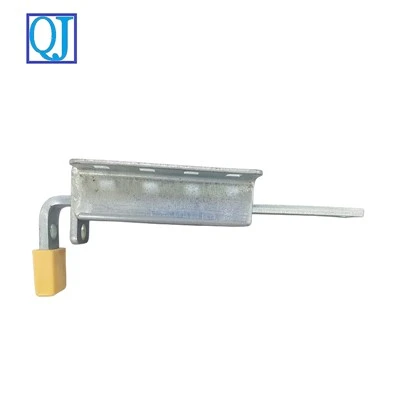
If you’ve tried aligning your tracks and it’s still not right, or you just don’t want to mess with it, hit me up. I can help you figure out if you just need a small adjustment, or if a replacement track is the way to go. I’ve got competitive prices, fast shipping, and I’m here to answer any questions you have—no automated bots, just a real person who knows garage doors inside and out. Don’t wait until your door is stuck to take care of this—small alignment fix now saves you a lot of money and hassle later.
Architectural Builders Hardware References:
- International Association of Home Inspectors. (2022). Garage Door Safety and Maintenance Guidelines.
- Door and Hardware Institute. (2021). Residential Garage Door Track Alignment Best Practices.
- Consumer Product Safety Commission. (2020). Garage Door Related Injuries: Causes and Prevention.
- National Association of Home Builders. (2022). Home Maintenance Guide: Garage Door Systems.
Kunshan Qunju Metal Products Co., Ltd.
As one of the most professional garage door track manufacturers and suppliers in China, we have world-leading production equipment and strong manufacturing capabilities. Please rest assured to wholesale premium garage door track in stock here from our factory. We also accept customized orders.
Address: No.63, Jindong Road, Jinxi Town, Kunshan City
E-mail: Andycsyy@126.com
WebSite: https://www.topmhm.com/
