If you work with steam turbines, you probably know that seal failure is one of the most annoying, costly, and hard-to-pin-down issues that can throw a whole operation off schedule. From power plants to industrial manufacturing setups, a bad seal doesn’t just cause energy loss—it can lead to unplanned shutdowns, repair bills that run into tens of thousands of dollars, and even safety hazards. As someone who’s spent years supplying steam turbine seals, I’ve seen every angle of this problem, and I want to break down the real, common causes that lead to failure, straight from the field. Steam Turbine Seals
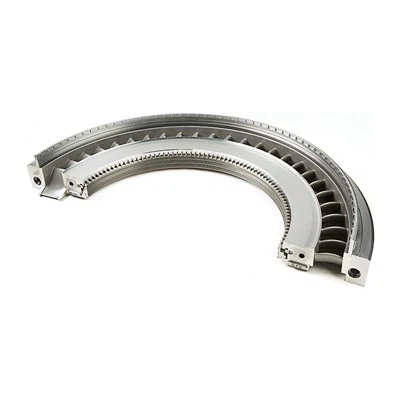
First, let’s cut through the jargon: steam turbine seals do one super important job. They stop high-pressure steam from leaking out of the gaps between the rotor (the spinning part) and the turbine casing (the stationary outer shell). If steam escapes here instead of driving the rotor, you lose efficiency—and if it gets into places it shouldn’t, that’s where big issues start. Most of the seals we supply are either labyrinth seals (the ones with tiny, fin-like teeth that create a tortuous path for steam) or carbon ring seals (the ones that press against the rotor to create a tight, dynamic seal). Both types fail for a mix of predictable and easy-to-miss reasons.
One of the most frequent causes is thermal stress, and it’s way more common than you’d think. Turbines run at extreme temperatures—sometimes over 500°C—and when they shut down, they cool fast. Seals, especially the older carbon ring types, can expand and contract unevenly during these cycles. Think about it: the rotor spins so fast it gets hot, but the seal sits right next to it. If the turbine is started up too quickly after a shutdown, the seal heats up before it’s properly aligned with the expanding rotor. That leads to rubbing—small bits of seal material chip or wear away, and over time, that creates gaps where steam leaks through. I’ve seen customers try to rush startups to meet production deadlines, and within a year, their seals are already failing. The fix here isn’t just swapping seals—it’s adjusting startup procedures to let both the rotor and seals warm up at the same rate.
Next, wear from foreign object damage (FOD) is a silent killer. A lot of people don’t realize that tiny bits of debris can get into the turbine during installation, maintenance, or even from the steam supply itself. Things like metal shavings from new pipes, dirt that slips through filters, or even leftover gasket material from a recent repair can get caught between the seal teeth and the rotor. Every time the rotor spins, those bits act like sandpaper, scraping away at the seal’s surface. Labyrinth seals, with their delicate fins, are especially vulnerable here—even a 1mm metal shaving can bend or break a fin, ruining the seal’s effectiveness. I always tell our customers to do a full debris check before installing new seals, because no matter how good your seal is, a single FOD incident can render it useless.
Then there’s the big one: improper installation. This is the cause I see most often when a customer calls us complaining of seal failure within a few months of a new install. Seals aren’t just slotted into place and left alone. If you’re working with labyrinth seals, the gap between each fin and the rotor has to be perfectly calibrated—usually to a fraction of a millimeter. Too small, and the seal rubs against the rotor; too big, and steam leaks through. If the installation team doesn’t use the right tools to measure that gap, or if they force a seal into the casing instead of letting it seat properly, you’re setting yourself up for failure. Carbon ring seals, which need to be lubricated to prevent sticking, can also fail if installers skip the lubrication step or use the wrong type of lube. I’ve had customers swear they installed the seals correctly, only to realize the team didn’t follow our step-by-step guide—small mistakes that add up fast.
Another cause is seal material degradation over time. Not all seals are made equal, and choosing the wrong material for your operating conditions is a recipe for trouble. For example, carbon seals work great for most moderate-temperature turbines, but if your turbine runs at over 600°C, carbon starts to break down, losing its shape and sealing ability. On the other hand, if you’re running a low-pressure turbine that handles wet steam, carbon seals can absorb moisture, swell, and seize up against the rotor. We supply different materials—specialized carbon, alloy steel, and even polymer blends—for exactly this reason. I once had a customer who used standard carbon seals in a turbine with high moisture content, and within six months, the seals were so swollen they couldn’t spin the rotor. Swapping them for moisture-resistant polymer seals fixed the issue right away.
Steam condition issues also play a huge role. Even if your seals are the right material and installed correctly, if your steam has impurities, it will eat away at the seal over time. Minerals, salts, or corrosive gases in the steam can create a process called corrosion erosion—these impurities react with the seal material, wearing it down from the inside out. Labyrinth seals with steel fins are especially prone to this; corrosive steam can pit the fins, making the gaps larger and increasing steam leakage. We’ve had customers test their steam and find high levels of sulfur, which was eating through their seal fins over two years. The fix here isn’t just seals—it’s upgrading their steam filtration system to remove those impurities before they reach the turbine.
Dynamic issues, like rotor imbalance or misalignment, are another often-overlooked cause. If the turbine rotor is off-balance or misaligned, it vibrates as it spins. That vibration doesn’t just damage the turbine bearings—it beats against the seals, causing them to wear unevenly. One side of the seal will rub harder than the other, creating gaps where steam leaks through. I’ve had a customer who replaced seals three times in a year before realizing their rotor was out of alignment by just 0.5 degrees. Once they fixed the alignment, the new seals lasted three years. It’s easy to blame the seal when it fails, but sometimes the problem is upstream in the rotor or bearing system.
Now, let’s talk about how this affects you, the operator. Seal failure doesn’t just cost money in repairs—energy loss from a bad seal can add up. A small steam leak from a single seal might seem minor, but over a year, that lost energy can translate to thousands of dollars in wasted fuel. Plus, unplanned shutdowns to fix seals mean missed production deadlines, which can hurt your bottom line even more. That’s why getting to the root cause of seal failure is way better than just swapping out seals every time something goes wrong. You might think you’re saving money by buying cheap seals, but those will fail faster, leading to more downtime and higher costs in the long run.

As a steam turbine seal supplier, we don’t just sell parts—we work with our customers to figure out why their seals are failing. Whether it’s helping them calibrate gaps, recommending the right material for their operating conditions, or pointing them toward better maintenance practices, our team is there to support you. If you’re dealing with seal leaks, frequent failures, or just want to make sure you’re using the right seals for your turbine, let’s connect. We can walk through your setup, share what we’ve learned from hundreds of field cases, and help you find a solution that works for your needs.
Turbine Diaphragm References
- Stroud, E. (2018). Steam Turbine Seals: Design, Operation, and Maintenance. Journal of Mechanical Engineering for Power, 140(6), 062601.
- American Society of Mechanical Engineers (ASME). (2020). Standard for Steam Turbine Seal Systems. ASME PTC 6-2020.
- Singh, R., et al. (2021). Failure Analysis of Labyrinth Seals in Industrial Steam Turbines. International Journal of Rotating Machinery, 2021, Article ID 8745921.
- Valve & Turbine Seal Manufacturers Association (VTSMA). (2019). Best Practices for Steam Turbine Seal Installation and Maintenance.
Hebei Guoyuan Electric Co., Ltd.
With abundant experience, we are one of the most professional steam turbine seals manufacturers in China. We warmly welcome you to buy discount steam turbine seals for sale here and get pricelist from our factory. Quality products and low price are available.
Address: No.18 Tianshan Science and Technology Industrial Park, No.319 Xiangjiang Road, Shijiazhuang High-tech Zone, Hebei Province, China
E-mail: turbine@goineep.com
WebSite: https://www.goineep.com/
