Hey, thanks for swinging by today. If you’re here, chances are you’re either a facilities manager, an HVAC tech, or maybe someone who’s had a water cooled condenser throw a fit at 2 a.m. and needs to make sure you’re never caught off guard. As a condenser supplier, we talk to folks who deal with these systems every single day—and one question that never gets old, no matter how experienced someone is? “What the hell do I do when I need to shut this thing down right now, without breaking anything?” Water Cooled Condenser
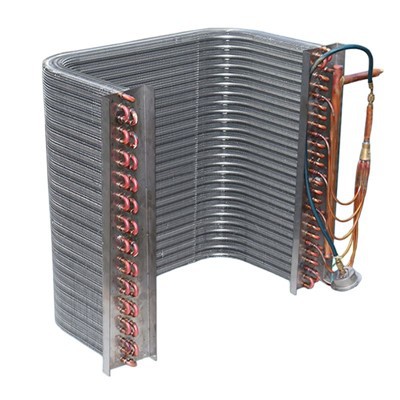
First off, let’s get one thing straight: an emergency shutdown isn’t the same as a regular scheduled shut down. Scheduled is when you plan a maintenance weekend, drain the lines, check the tubes—chill, methodical, no rush. Emergency is when something goes sideways fast: a leak that’s shooting water everywhere, a pressure spike that’s making the unit rattle, or maybe a power glitch that’s got the system screaming alerts. Cut corners here, and you’re looking at thousands in repairs, not to mention downtime that’ll have your whole building hot before you know it.
I’m gonna break this down like we’re chatting over coffee—no jargon, no fancy acronyms you’ve to Google. Let’s start with the immediate, 30-second moves because when an emergency hits, the first minute is make or break.
First, hit the physical emergency stop button. Wait, hold on—don’t just yank the main breaker right away. Every water cooled condenser we supply has a dedicated, bright red e-stop button right on the control panel. It’s usually labeled big enough to see across a mechanical room. Why start here? Because modern condensers have interlocks—if you yank the main power without triggering the e-stop, you can fry the compressor’s motor starter, and that’s a $2k part minimum. Trust me, we’ve seen it. A guy last year cut power mid-overheat because he panicked, and his compressor died so bad he had to wait three days for a replacement. That’s a waste of time and cash. So: locate the red e-stop, press it firmly. It’ll cut power to the condenser’s circulating pump, the fan (if it’s a fan-assisted model), and the compressor in one clean go.
Next, shut off the water supply lines. Water cooled condensers run on either city water, chilled water, or a closed loop system—doesn’t matter, you need to stop the water flow fast. You’ll find two main valves: one on the inlet (where water comes into the condenser) and one on the outlet (where it goes back out). Those are usually brass, turn clockwise to close. If you can’t find them, there’s often a main water valve for the entire mechanical room—hit that too, but again, the line-specific valves are better for isolating just the condenser. Why? If you shut off the whole building’s water, you’ll have other issues—like sinks or toilets going dry for no reason. Small win, but worth it.
Wait, what if there’s a leak? Like, water’s pooling around the base or spraying from a pipe? After hitting e-stop and shutting water, grab a wet vac if you have one, but don’t mess with the condenser’s tubes until later. Those tubes are thin copper or stainless steel—if you scratch ’em with a wet vac hose, you’re asking for corrosion down the line. Just sop up the surface water to avoid slips, but focus on the next step.
Now, monitor the pressure and temperature stat. After the e-stop, the compressor’s going to keep generating a little heat for a minute—its refrigerant side won’t drop immediately. If your condenser has a pressure gauge (most units do, like the ones we sell), keep an eye on it. You want the high-side pressure to drop below 300 psi (standard for most of our mid-sized commercial units) and the condensor temp to go under 120°F. If it’s spiking, you might need to vent a tiny bit of refrigerant—but don’t do that unless you know what you’re doing. Refrigerant is toxic, and venting it illegally is a big no. Call a tech if that happens.
Wait, what about if it’s a power outage? No one’s around to press an e-stop. Then, go straight for the line water valves. Power’s out, so the pump won’t run anyway, but shutting the water keeps standing water from sitting in the tubes and causing scale. Scale is the #1 issue we hear about from clients post-emergency—letting water stagnate eats away at tube walls over time.
Now, let’s talk what not to do. I can’t stress this enough: don’t open the pressure relief valve unless it’s an absolute emergency. That valve’s there to prevent explosions, but opening it prematurely lets refrigerant escape, and if the system’s still hot, you might get sprayed with superheated refrigerant—burns, not fun. Don’t drain the whole unit unless it’s a permanent shut down. Draining mid-emergency means you have to re-flush the lines later, which is a extra step no one wants. And don’t ignore the alerts. Most condensers have a light or a beeper when something’s wrong—if it’s going off, don’t hit mute and keep running. That’s how small issues become emergencies.
Once you’ve done the immediate steps, the next part is securing the area. If there was water damage, put up barriers so no one slips. If you had to shut down mid-season, put a sign on the condenser so no one tries to restart it while you’re fixing it. Then, call a tech—not just any tech, someone who works on water cooled condensers, not just air conditioners. A lot of HVAC guys know split units, but condensers have unique parts like heat exchangers and water boxes that need specific checks.
As a supplier, we train all our clients on these steps during installation, but I know stuff slips your mind when you’re busy. That’s why we keep a one-page emergency shutdown cheat sheet in every unit’s control panel folder—just in case. If you ever lose that, shoot us a note, we’ll send a digital copy for free.
Wait, let’s cover a common scenario: your condenser starts leaking water onto the floor. That’s usually a gasket failure, not a catastrophic break. So emergency shutdown here would be: e-stop → close inlet valve → get a wrench to tighten the outlet valve a little (sometimes that stops the leak temporarily) → call a tech to replace the gasket. No need for a whole unit tear down, just act fast.
Another scenario: pressure alarm goes off. That’s usually because water flow is restricted—like a tube is clogged with scale, or the water pump’s dying. Emergency steps here: e-stop → shut water → check the pump strainer (it’s a little basket on the inlet valve) for gunk. If it’s full, clean it, then you can try a slow restart once the pressure drops. If the strainer’s fine, call a tech—don’t just restart it, that’ll break the pump.
Now, why does this matter so much? As a supplier, we’ve seen units that didn’t get shut down right end up with 20 years of life cut off. A client in downtown Chicago last year shut down their condenser wrong during a power outage, let water sit in the tubes over winter, and by spring, the tubes were corroded so bad they had to replace the whole heat exchanger. That cost them $15k, which is way more than if they’d followed the simple steps I just mentioned.
What if you’re not in a commercial building? Like a small shop or a small office? Same rules apply, just smaller e-stops and smaller valves. Our residential-grade condensers have the same emergency buttons, just labeled in bigger text for folks who don’t do this every day.
One quick pro tip: label your valves. Most mechanical rooms have a ton of pipes, so it’s easy to mix up the condenser’s valves with the chiller’s or the boiler’s. Grab a sharpie and write “Condenser Inlet” and “Condenser Outlet” on the valves—saves you 10 minutes of hunting when you’re in a panic.
Now, when is emergency shutdown actually required? Let’s list the red flags so you know when to jump, not hesitate: water spraying from the unit, pressure gauge over 400 psi, strange grinding or rattling noises, smoke or burning smell, or a refrigerant leak that’s visible. If it’s just a minor alarm, like low flow, you might not need emergency shutdown—just a warning, but always err on the side of caution.
Wait, let’s clarify the difference between emergency shutdown and lockout/tagout. Lockout/tagout is for maintenance, when you’re working on the unit and need to make sure no power comes on. Emergency shutdown is when you need to stop the unit immediately. The e-stop counts as a lockout for emergency purposes, but if you’re doing work after, you still need to lock the main breaker. I’ve seen guys skip that step and get shocked—don’t be that person.
As someone who sells these units, I want our customers to not just buy a condenser, but to know how to take care of it. Emergency shutdown is the most basic care, but it’s also the most important. Mess it up, and you’ll be out of action way longer than you need to be.
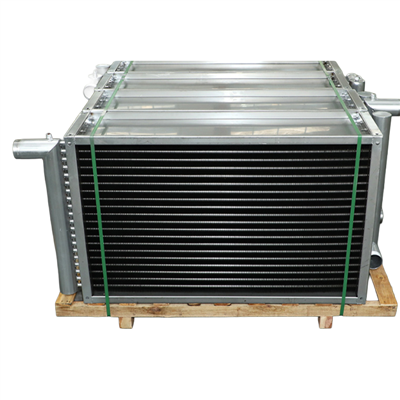
If you’re looking to upgrade your water cooled condenser, or just want to chat about maintenance tips, feel free to reach out. We don’t do pushy sales calls—just honest advice on what works, what doesn’t, and how to keep your system running when you need it most. Don’t wait for an emergency to ask questions—hit us up anytime, we’re here to help.
Finned Tube References
ASHRAE Handbook: HVAC Systems and Equipment, 2021
Water Cooled Condenser Installation and Maintenance Guide, Heat Transfer Research, Inc. (HTRI), 2022
OSHA Guidelines for Lockout/Tagout of Industrial HVAC Equipment, 2023
Xiangshui Derkang Refrigeration Equipment Co., Ltd.
Address: No. 2, Xiaojian Town Entrepreneurship Park, Xiangshui County
E-mail: 505745223@qq.com
WebSite: https://www.xsderk.com/
