If you’ve ever stood in a wet garage or on a grimy driveway watching your foam sprayer sputter halfway through a big job—whether you’re cleaning fleet vehicles, prepping concrete for a sealant, or sanitizing a commercial food processing area—you’ve probably stopped mid-task and thought, “I wish I’d gotten a bigger tank.” As someone who’s spent the last seven years working with foam sprayers, first as a field technician testing them in all kinds of messy, high-stakes jobs, then helping customers pick the right gear for their teams, I can tell you: tank size isn’t just a random spec you check off a list. It’s the difference between a job that runs smooth and one that turns into a game of chasing hoses or refilling mid-spray. Today, I’m breaking down what size tank a good foam sprayer needs, no sales fluff, just real-world logic and data I’ve seen hold up in thousands of jobs. Foam Sprayer
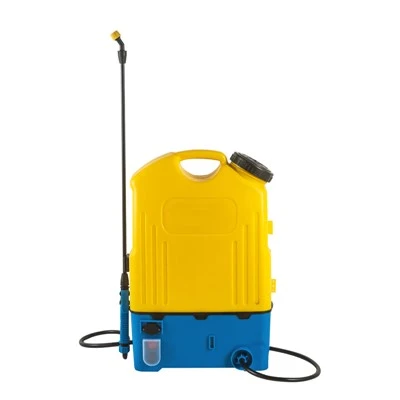
First, let’s get one thing straight: there’s no “one-size-fits-all” magic number, but there are rules that hold true across every use case. The biggest mistake I see buyers make is either undersizing because they think a small unit is cheaper (only to refill 5 times on a 1,000-square-foot job) or oversizing because they want “extra capacity” (only to end up dragging a heavy, unwieldy tank through tight aisles or up stairs). The sweet spot lives in matching three key variables: your job’s total square footage, the foam concentration ratio your cleaning chemical requires, and the type of sprayer you’re using (manual, electric, or gas-powered). Let’s walk through each so you see how they tie to tank size.
First, Why Tank Size Actually Matters (Beyond “Not Refilling”)
Before we dive into numbers, let’s talk about what foam sprayers do differently from regular garden hoses or pressure washers. A good foam sprayer mixes water and concentrated cleaning chemical on demand, then aerates that mixture to create the thick, clinging foam that doesn’t run off vertical surfaces (like walls or vehicle sides) as fast as a plain liquid. That foam performance depends on two things: the right ratio of chemical to water, and consistent pressure while spraying. If your tank is too small, you’ll be refilling it right when you’re in the middle of a good lather—you have to turn off the spray, disconnect hoses, haul a bucket of mixed solution over, and restart, which breaks up the foam’s dwell time (that 5 to 10 minutes foam needs to break down grease, grime, or bacteria). Dwell time is non-negotiable for good cleaning, so any interruption kills efficiency.
On the flip side, a tank that’s too big adds unnecessary weight. For context, 1 gallon of water weighs 8.34 pounds. A typical 2-gallon manual sprayer, when full, clocks in at ~18 pounds—manageable for most people. A 5-gallon electric sprayer full of solution? That’s ~45 pounds, and that’s before you add the weight of the spray wand, hoses, and the battery or gas can. If you’re working in a small space—say, a food truck with narrow service bays or a residential garage packed with tools—dragging a 5-gallon tank around can cause back strain, scratch floors, or get caught on obstacles. So size is a balance of capacity and usability, not just volume.
Breaking It Down by Use Case: What Tank Size Is Right For You
Let’s get to the practical numbers, based on the jobs our customers (from small detail shops to large construction firms) actually tackle. I’m skipping the tiny 1-quart mini sprayers, which are only good for touch-up jobs, not full-scale cleaning.
1. Light, Residential, or Small Commercial Jobs: 2-Gallon to 3-Gallon Tanks
This is the sweet spot for homeowners, small residential cleaning crews, and mobile detailers working on 1 to 3 vehicles per visit, or small patios/decks. Let’s do the math: a standard all-purpose cleaner for foam sprayers uses a 4:1 water-to-chemical ratio (that’s 1 part concentrated cleaner, 4 parts water). A 2-gallon tank holds 16 cups total solution, so that’s 12.8 cups of water and 3.2 cups of chemical. How far does that go? At a medium spray pressure (standard for foam production), a 2-gallon tank will cover roughly 250 to 300 square feet before needing a refill. That’s enough for a single car, a 1-car garage floor, or a 10×12 concrete patio.
I’ve seen customers try to use a 1-gallon tank for this work, and it works… sometimes. But if you’re deep cleaning a truck with heavy road grime, you’ll need a second refill halfway through, which adds 10 to 15 minutes to the job. For mobile detailers who make back-to-back stops, that time adds up to lost revenue. The 3-gallon bump is ideal if you’re cleaning two small vehicles or a 2-car driveway; it only adds ~9 pounds when full, which is still easy to maneuver, and cuts refill frequency by 30% compared to a 2-gallon.
2. Medium Commercial or Construction Prep Jobs: 4-Gallon to 5-Gallon Tanks
This is the most popular size for our commercial customers: building maintenance teams, restaurant sanitation crews, and construction workers prepping concrete for sealing. Let’s use the same 4:1 ratio, but for heavy-duty cleaners (like degreasers for garage floors or disinfectants for high-touch surfaces): a 5-gallon tank holds 40 cups total solution, so 32 cups of water and 8 cups of chemical. At a slightly higher pressure (needed for thicker foam on rough, porous surfaces like concrete), that covers 500 to 700 square feet. That’s enough for a full 2-car garage floor, a restaurant’s entire dining area walls and booths, or a 30-foot side of a delivery truck.
Wait, but why not a 10-gallon tank here? I’ll tell you: last year we had a concrete contractor test a 10-gallon sprayer for a 1,200-square-foot patio prep job. He showed up with the big tank, 20 minutes into the job he called us complaining that he couldn’t lift it over a 6-inch step to get to the far side of the patio. He ended up refilling a 5-gallon bucket from the 10-gallon tank mid-job to make the move. The 5-gallon tank fit in the bed of his work truck, was light enough to carry over steps, and only required one refill for that patio. For medium jobs, size above 5 gallons becomes a liability more than an asset—usability drops faster than capacity goes up.
3. Large-Scale Industrial or Facility Cleaning: 10-Gallon to 15-Gallon Tanks
If you’re managing a warehouse with 10,000 square feet of concrete floors, a fleet of 20 delivery trucks, or a school district with multiple gyms and cafeterias, you need a bigger tank—but not just bigger, the right kind of bigger. These are usually gas-powered or heavy-duty electric sprayers, not manual, because of the consistent pressure needed for long runs. A 10-gallon tank with a 5:1 ratio (many industrial disinfectants use a weaker, more dilute concentration for large areas) will cover roughly 1,500 to 2,000 square feet per fill. The key here is that these tanks have built-in hose reels or long hoses (30 to 50 feet) so you don’t have to move the tank around the job site at all. That eliminates the main downside of large tanks: maneuverability.
I’ve worked with a midwest warehouse operations team that was using 5-gallon sprayers for their weekly floor sanitation. They were moving the tank 12 times across the 100,000-square-foot warehouse, adding 2 hours per shift to their job. Switching to 12-gallon electric sprayers with 50-foot hoses cut that time by 70%—they only needed to refill the tank once a day, right before their shift started. For large, open spaces where you don’t have to navigate tight obstacles, size here is about minimizing stop time, not fitting through doors.
Common Mistakes That Mess Up Tank Size (And How to Avoid Them)
Even if you fit into one of those use case categories, there are a few tricks that throw off your tank size calculation. First, check your chemical’s label ratio. A lot of people assume all cleaners use a 4:1 ratio, but some disinfectants for healthcare settings use a 10:1 or even 15:1 ratio, meaning you need more water and less chemical per fill. If you use a higher ratio, you’ll cover more square feet per tank, so you can go 1 size smaller than you would for a standard degreaser.
Second, don’t forget to account for foam loss. If you’re using a sprayer that doesn’t aerate the solution well, you’ll end up using 15 to 20% more solution per square foot, because the foam dissipates faster. A good foam sprayer (the kind we design) has a built-in aeration chamber that creates thick, long-lasting foam, so you get more coverage per tank. That means if you’re using a quality sprayer, you can size down by 1 gallon compared to what you’d get with a basic, low-aeration unit.
Third, consider your power source. Manual sprayers rely on you pumping pressure, so you don’t want a tank so big that pumping it becomes a workout. 2 to 3 gallons is max for manual units. Electric and gas-powered sprayers hold pressure automatically, so they can handle 5 to 15 gallons without tiring the operator. That’s a key point: the tank size has to match how you build pressure. A 5-gallon manual sprayer is not a good idea, because you’ll be pumping for 5 minutes just to build enough pressure to spray.
What We Recommend For Most People (And When to Break the Rules)
After testing thousands of sprayers with all kinds of customers, here’s our go-to recommendation for 90% of people:
- Homeowners, small detailers, residential cleaning: 2.5 to 3-gallon manual or cordless electric sprayer
- Small to medium commercial jobs (restaurant cleaning, fleet up to 5 vehicles, 1,000 to 2,000 sq ft): 4 to 5-gallon electric sprayer
- Large industrial jobs, facilities with open floor space: 10 to 15-gallon gas or heavy-duty electric sprayer
The only time you should go above 15 gallons is for truly massive, continuous jobs—like a highway construction crew prepping 50,000 square feet of concrete at once, or a company cleaning an entire stadium. Even then, though, most of those teams use multiple 15-gallon sprayers instead of one giant tank, because multiple smaller units are easier to deploy if one breaks down mid-job.
A Quick Real-World Example That Proves This
Last month, I worked with a local auto repair shop owner named Mike who was struggling with his foam sprayers. He had two 1-gallon manual sprayers, and he was refilling them 6 times to clean his 10 service bays every night. He was spending $80 a month on extra chemical and wasting 3 hours a night on refills. We recommended a 4-gallon electric foam sprayer, sized for his medium-duty degreaser (which uses a 5:1 ratio). He switched, and his refill time dropped to 15 minutes per night—total, not per tank. He also used 20% less chemical because the foam from the better sprayer didn’t run off the parts as fast. “I thought a bigger tank would just mean more chemical I had to buy,” he told me, “but it ended up being less work and less cost.” That’s the sweet spot we’re talking about: not too big, not too small, just right for the job.
At the end of the day, a good foam sprayer’s tank size isn’t about bragging rights for how much it holds. It’s about matching your work style: do you need to dart between tight garage bays? Stay put for a full warehouse shift? Clean one car or 20? For every job, there’s a size that makes the work easier, faster, and more efficient.
Powder Sprayer If you’re still not sure what size is right for your team or your projects, we’re here to help. We’ve tested every tank size, from 1-quart touch-up units to 15-gallon industrial workhorses, and we can walk you through what will cut down your refills without adding unnecessary hassle. Just reach out to talk through your specific needs—no pressure, just real advice from people who use these sprayers every day.
References
- Occupational Safety and Health Administration (OSHA). (2021). Guidelines for Safe Cleaning and Sanitizing in Commercial and Industrial Workplaces. U.S. Department of Labor.
- Sprayer Supply Association. (2022). Foam Sprayer Performance Testing Protocol: Capacity, Coverage, and Maneuverability. International Spray Equipment Association.
- Concrete Construction Magazine. (2023). Best Practices for Surface Preparation Foam Application. Associated Construction Publications.
- Food and Drug Administration (FDA). (2022). Sanitation Standards for Food Service Establishments. U.S. Department of Health and Human Services.
Zhejiang Menghua Sprayer Co., Ltd.
As one of the most experienced foam sprayer manufacturers in China, we have world-leading production equipment and strong manufacturing capabilities. Please feel free to buy advanced foam sprayer for sale here from our factory. For price consultation, contact us.
Address: No.5, Houshi Road, Beicheng Street, Huangyan District, Taizhou, Zhejiang
E-mail: sales@menghua-sprayer.com
WebSite: https://www.menghua-sprayer.com/
