Hey there, thanks for swinging by my little corner of the internet! If you’ve ever stood in your garage staring at that crumpled plastic trash can, wondering if it’s actually worth recycling (or if it’s just gonna take up space in the bin for good), you’re in the right place. I’m Jake, run a small household plastic items supplier, and I get so many questions from customers just like you about this exact stuff—like, “Wait, my old bin that spent 3 years on my patio is recyclable? Or is it just gonna contaminate a whole batch of good plastic?” Let’s break this down without all the confusing jargon, yeah? Household Plastic Items

First off, let’s get one thing straight: not all plastic is created equal. You know those little numbers in the triangle on the bottom of every plastic thing? That’s the resin identification code (RIC), and it’s make or break for whether your trash can even has a shot at being recycled. Most standard plastic trash cans—like the ones you grab at the hardware store for your kitchen, bathroom, or patio—are made of HDPE, or High-Density Polyethylene. That’s the #2 plastic, right there on the triangle. I picked HDPE as my go-to material for our bins for years ‘cause it’s tough, cheap, and actually one of the most widely accepted plastics for curbside recycling. That’s a huge win compared to things like #3 PVC or #7 mixed plastics, which most cities barely take.
But here’s the catch: it’s not just the plastic type. The condition and history of your trash can matter way more than most people think. Let’s say your bin’s a brand new one you never even used—totally clean, no scratches, no food gunk, no weird stains. Recycling centers would eat that up, no questions asked. But if yours is the one that sat outside through every rainstorm and summer sun for 5 years? That’s a different story. UV rays from the sun break down HDPE over time, making it brittle and weaker. Dirt, mold, old food residue, or even leftover chemicals (like if you once stored lawn fertilizer in it) can also mess things up. Those contaminants can get into the recycling stream, and if there’s too much, the whole batch gets rejected. I’ve had customers send me photos of their beat-up patio bin, and half the time I’m like, “Yeah, that’s probably not recyclable—sorry, but it’s better to toss it in the trash or repurpose it than risk ruining a whole recycling run.”
Wait, hold on—what if your city doesn’t take #2 curbside? I know that’s a big one. A few years back, my hometown (let’s just say it’s a small town in the Midwest) stopped accepting all mixed plastics, so we had to start dropping our bin off at a local drop-off center for plastics. That’s not weird—so many places only accept certain plastics curbside, but drop-off centers often take more stuff, including used plastic containers. Some even have separate bins for large plastic items, like old coolers or big trash cans, that the curbside trucks skip. So before you write off your bin entirely, hit up your city’s public works website to check their rules. If all else fails, there are plenty of ways to reuse it—turn it into a planter for your garden, a storage bin for kids’ toys, or even a dog waste bin. Repurposing is way better than tossing it, even if it’s not recyclable.
Now, let’s talk about the flipside: what if you CAN’T recycle your plastic trash can, and you toss it anyway? That’s the real problem. A lot of people think “plastic is recyclable” so they just chuck it in the bin, but if it’s not accepted locally, it just ends up in a landfill anyway. Landfills don’t break down plastic the way you think—HDPE can take hundreds of years to decompose, and when it does, it leaches chemicals into the soil and groundwater. I’ve seen photos of plastic trash cans from the 70s that are still intact in landfills, and that’s the last thing we want. As a plastic supplier, I’m not here to say plastic is evil—we make stuff that lasts ‘cause that’s what people need. But we also need to be responsible with it when it’s done.
Wait, let’s get into some recent science to back this up, ‘cause I don’t wanna just ramble. A study from the EPA last year found that about 9% of all plastic ever made has been recycled, and HDPE is one of the top recycled plastics, at around 30% recycling rate in the U.S. That’s way higher than PVC or PET, which is around 29%—so HDPE isn’t perfect, but it’s the best we’ve got. The problem isn’t the plastic itself, it’s the contaminants. If you’ve ever washed out a plastic milk jug before recycling, that’s exactly what needs to happen with a trash can. If your bin’s got crusted-on coffee grounds or mold, give it a good scrub with dish soap and water, let it dry completely, and then check if it’s accepted. Some recycling centers even have special bins for clean, large plastic items, so you don’t have to break it down (unlike plastic bottles, which you do need to crush).
I also wanna address the “mixing plastic types” myth I see all over the place. People think “it’s all plastic, so it goes together,” but that’s not how recycling works. HDPE bins can’t be mixed with, say, a plastic bin made of PP (polypropylene, #5), ‘cause they melt at different temps and can’t be processed into new stuff. That’s why the resin code is there—it keeps everyone on the same page. When we make our bins, we always stamp the #2 code on the bottom, super clearly, so there’s no confusion for my customers and for anyone who’s recycling them. That’s a small thing, but it makes a big difference for the recycling centers.
Let’s talk about some common mistakes people make with their old trash cans. First, they leave them sitting in the sun until they’re all faded and brittle. UV damage doesn’t just make them look bad—it changes the molecular structure of the plastic, so it can’t be melted down and remolded into new things. Second, they don’t clean them before recycling. A friend of mine works at a recycling center in Portland, and he told me that 20% of the items they have to reject are just dirty—food gunk, oil, whatever. A single dirty trash can can get a whole truckload of good plastic rejected, which is a huge waste. Third, they assume curbside takes everything, but that’s not true. My cousin lives in a big city, and their curbside only takes #1 and #2, so #5 plastic has to go to a drop-off. I can’t tell you how many people just toss #5 bins in the curbside bin, and they end up in landfills.
So, let’s wrap this up with a clear checklist for anyone wondering if their plastic trash can is recyclable:
- Check the resin code on the bottom. If it’s #2 (HDPE), that’s a good start. If it’s #1 (PET) or #5 (PP), some places take those too, but #2 is most common.
- Is it clean? No food, mold, chemicals, or dirt? If not, scrub it. If yes, move to step 3.
- Is it in decent shape? No super brittleness, cracks, or major UV damage? If it’s still solid, that’s good.
- Check your local recycling rules. Google “[your city] curbside recycling accepted items” or call your waste management company. If they don’t take it, look for a local drop-off center that takes large plastic items.
- If none of the above work, repurpose it! Turn it into a planter, a storage bin, or whatever you need. Don’t just toss it for no reason.
Now, as someone who’s been in this household plastic items game for 8 years, I get it. You don’t wanna deal with the hassle of figuring out recycling rules, and you definitely don’t wanna accidentally ruin a batch of good plastic. That’s why we try to make our products as easy to recycle as possible—using standard, widely accepted plastics, clear resin codes, and durable materials that last so you don’t have to replace them every year. We also work with a few local recycling companies to make sure that when our products reach the end of their life, they actually get processed, not just thrown away.
If you’re a homeowner trying to figure out what to do with your old bin, or a fellow business owner looking to source more sustainable plastic household items, hit me up. I’m happy to answer any questions, walk you through local recycling options, or even help you find a way to repurpose or recycle any plastic items you have. No sales pitch, just real talk ‘cause this stuff matters. We all have to do our part to cut down on plastic waste, and that starts with understanding what we can and can’t recycle.
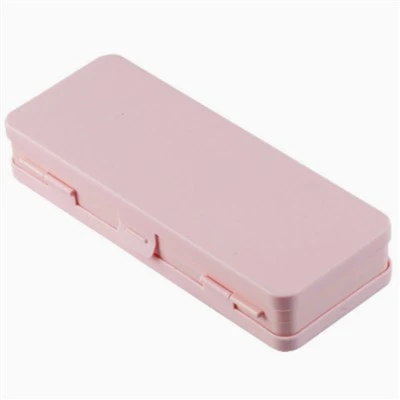
At the end of the day, plastic trash cans ARE recyclable—most of the time. It just takes a little bit of effort, knowing the rules, and not treating all plastic the same. I’ve seen so many people get frustrated with recycling, but once you figure out what works for your area, it’s not that bad. And if we all do a little bit, that adds up to way less plastic in landfills and oceans. That’s the whole point, right? Making stuff that works for people, without trashing the planet in the process.
Injection Molded Parts REFERENCES:
U.S. Environmental Protection Agency. (2022). Advancing Sustainable Materials Management: 2018 Fact Sheet.
National Recycling Coalition. (2021). Plastics Recycling Guide for Communities.
Plastic Industry Association. (2023). Resin Identification Code Handbook.
Yongkang Shunjiang Plastic Products Co., Ltd.
As one of the most professional household plastic items manufacturers and suppliers in China, we offer a wide range of products with superior quality. Please feel free to wholesale bulk customized household plastic items from our factory. Also, pricelist is available.
Address: Kangzhuang Road, Xicheng Subdistrict, Yongkang City, Zhejiang Province, China
E-mail: 15158911623@163.com
WebSite: https://www.shunjiangplas.com/
