Hey there, if you’re anything like the bar owners, restaurant managers, or even the home bar enthusiasts I chat with every day as a bar dining chair supplier, you’ve definitely stared at a spot on your fabric dining chair and panicked a little. Maybe it’s a spilled cocktail from a overzealous happy hour crowd, a kid’s sticky soda that snuck in, or just that random coffee stain from a late-night shift. I get it—bar chair fabric takes way more abuse than your living room couch, right? It’s meant to hold up to busy nights, but that doesn’t mean it’s invincible. I’ve spent years testing fabrics for our chairs, troubleshooting cleanups, and learning exactly what works (and what’s total garbage) for different materials. Today, I’m breaking down how to actually clean bar dining chair fabric without ruining it—no fancy equipment, no harsh chemicals, just stuff you probably already have in your kitchen or cleaning closet. Bar Dining Chair
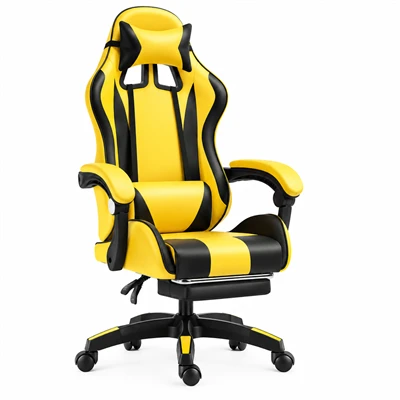
First off, let’s cut through the noise: not all fabric is the same, so you can’t treat every bar chair cover the exact same way. I wish people would skip the generic “clean everything with vinegar” tip because that’s a one-way ticket to fading or discoloration if you pick the wrong fabric. From what I’ve seen, most of the fabrics we use for our bar dining chairs fall into three main categories: microfiber, performance polyester, and natural fabrics like cotton or linen. Each needs a totally different approach, so let’s start with that because skipping this step is where 90% of people mess up.
If your chair tag has a “W” on it, that means water-based cleaners are safe—this is most performance fabrics and microfiber, which is what we use for like 70% of our bar chairs because it’s super durable and easy to spot-clean. If it’s an “S” tag, you only use solvent-based cleaners, no water—this is usually tight-weave natural fabrics like cotton or linen, or some high-end textured performance fabrics. And if it’s “WS” or “S-W”, you can use either, just test on an inconspicuous spot first. Never use bleach on any of these, okay? That’s a given, but I still see people do it because they think it’ll get rid of a stubborn red wine stain. It just eats away at the fabric’s dye, leaving a weird spot that’s way worse than the original stain.
Let’s start with the most common scenario: a fresh stain. I can’t stress this enough—act fast. The second you spill a drink, food, or whatever on your bar chair, grab a clean paper towel or a white cloth (colored ones will bleed dye onto the fabric, trust me) and blot. Don’t rub. Rubbing works the stain into the fabric fibers, making it impossible to get out later. Blot from the outside in to keep the stain from spreading. For fresh liquid spills, like beer, soda, or wine, you can usually get it out with just warm water and a bit of dish soap, no need for anything fancy. Mix a teaspoon of mild dish soap (the kind you use for dishes, not that heavy-duty degreaser) with two cups of warm water, dip a clean cloth in the mix, wring it out so it’s not soaking wet, and gently dab the stain. Then blot with a dry cloth to soak up the moisture. That’s it for most fresh stains.
Now, what if the stain is already set? Like that coffee stain from yesterday’s morning rush, or the barbecue sauce that someone stepped on last weekend. That’s where you need to step it up, but still, no overdoing it. For microfiber chairs (W-tag), which is my go-to fabric for bars because it holds up so well to repeated cleanings, I use a homemade solution that works way better than store-bought microfiber cleaners. Mix one part rubbing alcohol (70% is fine, no need for the heavy stuff) with one part warm water, add a tiny squirt of dish soap, and stir it up. This solution breaks down oil-based stains (barbecue sauce, chocolate) without leaving streaks. Test it on a hidden spot first—like under the chair’s seat where no one sees—to make sure it doesn’t discolor. Then dab the stain with the solution, let it sit for 10 minutes (don’t let it dry!), and blot with a damp cloth to rinse, then dry immediately with a hair dryer on cool setting. Wait, cool setting—hot will melt microfiber, so don’t use that. That’s a mistake I made early on when testing chair fabrics and ruined a whole sample batch, so take it from me, cool air only.
For performance polyester, another super popular fabric for our bar chairs because it’s stain-resistant right out of the package, the same water-dish soap mix works for most stains, but if you’ve got a really tough one like red wine or coffee, you can add a bit of hydrogen peroxide. Only use 3% hydrogen peroxide, the kind you get at the drugstore—don’t go higher, it can bleach. Dab it on the stain, let it sit for 5 minutes, blot, and rinse. I’ve used this on hundreds of polyester chair stains and it’s never let me down, even on the darkest red wine spills that people thought were permanent.
Now the tricky one: natural fabrics like cotton or linen, which usually have an “S” tag, so you can’t use water. Water on these will leave water spots that are impossible to get out, so you have to use a solvent-based cleaner. The easiest one to make at home is a mix of equal parts rubbing alcohol and white vinegar. Wait, I know, vinegar is acidic but it works for solvent-based cleaners because it evaporates fast and doesn’t leave residue. Test it first, like I said, because some linen blends might be sensitive. Dab the stain, blot immediately, and then let it air dry. If that doesn’t work, you can use a dry-cleaning fluid (the kind for home use, not the stuff from the dry cleaner’s that’s harsh) but make sure it’s safe for delicate fabrics. Never use water on S-tag fabrics—learned that the hard way when a client brought me a linen bar chair with a coffee stain and tried to wipe it with a wet cloth. They had a ring that was still there a month later.
What about deeper cleaning, not just spot stains? Like when your whole bar chair fabric looks a little dingy, not just one spot. For W-tag fabrics (microfiber, performance polyester), you can do a gentle deep clean every 3-6 months, depending on how busy your bar is. Start with vacuuming the fabric first—use the upholstery attachment on your vacuum, no beater bar, because that can snag the fibers. Go over the whole chair to get rid of crumbs, dust, and loose gunk. Then use that same water-dish soap solution, mix it a little stronger (like two teaspoons soap to two cups water), dip a soft-bristled brush (an old toothbrush works great) in the mix, and gently scrub the fabric in the direction of the fibers. Don’t scrub too hard, you don’t want to fray the fabric. Then use a damp cloth to wipe away the soap suds, and dry it with a hair dryer on cool setting, moving it around so you don’t leave wet spots. For S-tag natural fabrics, deep clean is trickier—you can use a dry upholstery foam, the kind that’s made for delicate fabrics, apply a thin layer, let it dry, then vacuum it off. Never wet clean natural fabrics, it’ll warp and discolor them.
Wait, I should also talk about what to avoid. A lot of people use steam cleaners on bar chair fabric, and that’s a big no-no unless the fabric tag specifically says it’s steam-safe. Steam can shrink fabrics, set stains deeper, and even damage the padding inside the chair, which will make your bar seat feel lumpy and uncomfortable. I’ve had so many clients tell me they used a steam cleaner and ruined their $1,000 bar setup—don’t be that guy. Also, never use abrasive scrub brushes, bleach, or any harsh chemicals like ammonia. Ammonia mixed with vinegar creates a toxic gas, that’s not just bad for the fabric, it’s bad for you. And bleach? We already talked about that—fading is the worst.
Another pro tip from someone who’s sold bar dining chairs to dozens of busy bars: prevention is way easier than cleaning. For microfiber and polyester fabrics, we always recommend applying a fabric protector spray (the kind safe for upholstery) right after you get your chairs. It creates a barrier so spills don’t soak in immediately, giving you time to blot them before they set. For natural fabrics, there’s less you can do, but if you get a Scotchgard made for delicate fabrics, that can help repel light stains. Also, place a few small throw blankets or chair covers on the most used chairs at the bar—like the ones closest to the taps—so you can just toss the cover in the wash instead of cleaning the whole chair every week. We sell washable slipcovers for some of our bar chairs, actually, that’s a game-changer for busy spots.
Now, what about common mistakes I see all the time? First, waiting too long to clean stains. I can’t emphasize this enough—fresh stains come out in 2 minutes, set stains can take 20, and some super old stains might never come out. If you spill something, even if you’re swamped at the bar, take 30 seconds to blot it. That’s way better than having to order a whole new bar chair because the stain ruined the fabric. Second, using the wrong cleaning product for the fabric. I had a client last year who used a generic carpet cleaner on his linen bar chairs, and it left huge water spots all over them. He had to replace all 20 chairs, which cost him way more than if he’d just used the right cleaner. Third, rubbing instead of blotting. I swear, half the stains people complain about would be gone if they’d just blotted instead of scrubbing. Rubbing pushes the stain deeper into the fibers, making it impossible to remove.
If you’ve tried all these steps and still can’t get a stain out, what do you do? Don’t panic—first, test a small amount of a specialty upholstery cleaner (look for ones labeled safe for your fabric type) on an inconspicuous spot. If that doesn’t work, or if you’re dealing with a really expensive or custom bar chair fabric, don’t risk it. Bring it to a professional upholstery cleaner—someone who works with commercial furniture, not just residential couches. Commercial cleaners know how to handle bar chair fabrics because they deal with the same high-abuse materials all the time. We’ve even recommended a few to our clients over the years, and they’ve saved hundreds of chairs from being replaced.
At the end of the day, bar dining chair fabric is designed to be durable, but it’s not indestructible. The key is knowing what kind of fabric you’re working with, acting fast on stains, and using gentle, appropriate cleaners. If you’re a bar owner, a restaurant manager, or even someone who’s got a set of bar chairs in their home, taking 10 minutes every few weeks to spot clean and deep clean when needed will keep your chairs looking good for years, instead of having to replace them every year because of stains.

As a bar dining chair supplier, I’ve seen firsthand how much the look of your seating matters for a space—stained, dingy chairs make a bar feel uninviting, while clean, fresh chairs keep customers coming back. If you’re outfitting a new bar, updating your existing seating, or just need replacement chairs for your space, we can help you find the right fabric that’s not only comfortable but also easy to clean and maintain for your busy nights. We work with all types of fabrics, from low-maintenance microfiber to durable performance polyester, and we can help you pick the best option based on how much foot traffic your space gets. Whether you’re ordering a dozen chairs for a small neighborhood bar or a hundred for a big downtown restaurant, we’re here to make the process easy and get you chairs that last. If you’re ready to chat through your needs and get a quote, reach out to our team—we’re happy to answer any questions you have about fabrics, care, or sizing.
Bar Dining Chair References
- Upholstery Fabric Care: A Guide for Commercial Furniture, National Restaurant Association, 2022.
- Fabric Stain Removal Best Practices, Institute of Cleaning Science, 2023.
- Microfiber and Performance Polyester Maintenance, Furniture Industry Research Association, 2021.
- Delicate Fabric Cleaning Tips, Upholstery Association of North America, 2022.
Huzhou Xiasen Import and Export Co., Ltd.
Huzhou Xiasen Import and Export Co., Ltd. is one of the most experienced bar dining chair manufacturers and suppliers in China, also supports customized service. We warmly welcome you to buy durable bar dining chair in stock here from our factory. If you have any enquiry about pricelist, please feel free to email us.
Address: Room 701-9, No.70, Wulipai Road, Wukang Subdistrict, Deqing County, Huzhou City, Zhejiang Province
E-mail: shinesunyoungcai@163.com
WebSite: https://www.shinesun-household.com/
