If you’ve ever baked a batch of chocolate chip cookies that went soft in the fridge after just two days, or opened a bag of potato chips that went limp instead of staying crispy, you might’ve wondered: why does that happen? As a preservatives supplier, I get all kinds of questions from food makers, home bakers, even people who just grab snacks from the grocery store about this stuff. Most of the time, the first question isn’t “do preservatives work to keep food safe?” It’s “do they mess with the texture?” Let me break this down like I would for a new client who’s trying to wrap their head around it—no fancy jargon, just real, what-you-need-to-know facts. Preservatives
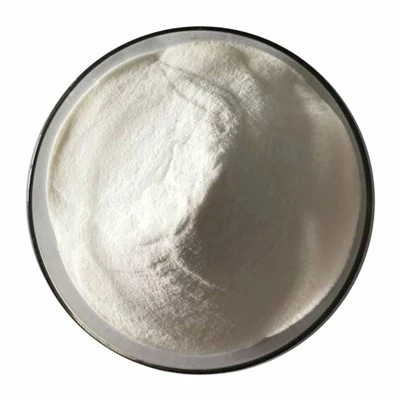
First off, let’s get one thing straight: not all preservatives are made equal, and not all of them impact texture the same way. A lot of people lump every preservative into one big “bad for texture” bucket, but that’s totally off. Preservatives are generally split into two main camps, right? There are antimicrobials, which stop mold, bacteria, and yeast from growing—those are the ones that keep your deli meat from going slimy in a week, or your jar of pickles from getting fuzzy on top. Then there are antioxidants, which stop fats and oils from going rancid, and also slow down things like browning in fruits or crispiness loss in snacks. Both types can touch texture, but how?
Let’s start with the ones that don’t really mess with texture, if used right. Take something like calcium propionate. That’s a super common antimicrobial used in baked goods to stop mold from growing on the crust. I’ve had bakery clients swear by it for years, and unless you use way more than the FDA or EFSA allows, it doesn’t change the chew of a loaf of bread or the crispness of a roll. I remember one client who tried a random alternative a few years back, and their bread turned crumbly like a cookie within a day, just because they tried to cut corners on the propionate. But when we adjusted the dosage to the recommended level, it worked perfectly—bread stayed mold-free for two weeks, texture was exactly what the bakers wanted.
Then there’s antioxidants, like vitamin E or rosemary extract (yeah, that’s a preservative, natural too). Those are great for things like nut mixes or fried snacks, where fat going rancid would make the taste off, but also, wait—rancidity doesn’t just taste bad, it can make the texture feel waxy or gritty, too. So using a good antioxidant actually preserves texture, in a way. I had a chip brand client a while back who was losing 20% of their inventory because chips went limp and rancid on store shelves before they even hit the clearance rack. We added a small amount of natural rosemary extract to their fry oil, and suddenly their chips stayed crispy for 3 weeks on the shelf, no change in taste, no weird aftertaste. They thought they’d have to add a bunch of weird chemicals, but nope—just the right preservative did the trick.
Now, the ones that can impact texture, when you use them wrong. This is the big one, because a lot of people think preservatives are the problem, but it’s usually dosage or application. Let’s talk about sodium benzoate, which is an antimicrobial used in things like soda, salad dressings, and jams. If you use too much sodium benzoate in a jam, for example, it can make the jam feel kind of “rubbery” or weirdly thick, instead of that smooth, spreadable consistency. But if you stick to the legal limit, it doesn’t do that at all. I had a jelly maker reach out to me once, panicking because their strawberry jam was turning rubbery within a month of bottling. Turns out, their old preservative supplier was giving them a dosage twice as high as what’s allowed, just to make “sure it worked.” We switched them to the correct dosage of sodium benzoate, added a tiny bit of citric acid to balance it (which also helps the preservative work better), and their jam went back to being that perfect spreadable stuff, and stayed mold-free for 6 weeks.
Another example: sulfites, which are used to keep dried fruits like raisins or apricots from browning. A lot of people hate sulfites because of allergies, but even for people without allergies, if you use too many, dried fruits can turn kind of tough and chewy in a bad way—like, rubbery instead of that soft, plump chew you want. But again, the dosage is key. We work with a dried fruit brand that uses a super small amount of sulfites, just enough to stop browning, and their apricots stay plump for months, no tough texture. If they cranked it up, you’d notice immediately.
Wait, let’s talk about something that’s a little trickier: when preservatives interact with other ingredients in food. It’s not just the preservative itself, it’s how it reacts. For example, some antimicrobials are used in dairy products, like natamycin, which is a natural antifungal. It’s used on the rind of hard cheeses to stop mold from growing on the outside. If you use too much of it, it can make the rind feel kind of chalky, but when it’s applied as a thin coating (which is how we recommend all clients use it), the rind stays the same—firm, not chalky, and the inside of the cheese stays creamy, no change. I’ve had a cheese shop client that switched to natamycin a few years back, and their customers didn’t notice a difference in texture at all, just that their cheeses stayed fresh longer.
A lot of home bakers also ask me about using preservatives in homemade stuff, right? Like, if they make a big batch of cookies and want to keep them fresh for a week, can they add a preservative without ruining the texture. The answer is yes, but you have to pick the right one. A lot of store-bought “preservatives” for home bakers are just over-the-counter versions of the same stuff we use for commercial clients, but in smaller doses. If you add too much, yeah, your cookies will turn hard or crumbly. But if you follow the instructions, they stay chewy or crispy, just like you want.
Now, let’s clear up a common myth: people think “natural preservatives” are better for texture, and synthetic ones are worse. That’s not true. I’ve seen natural preservatives (like those rosemary extracts I mentioned) work just great, and I’ve also seen synthetic ones work even better for some things. For example, calcium propionate is synthetic, but it’s totally safe, and it doesn’t change bread texture. Some natural alternatives, like certain plant extracts, can actually make bread taste or smell off, which is a different problem, but even texture-wise, some can make it denser if you don’t get the dosage right. It’s not about natural vs synthetic, it’s about the specific preservative, how you use it, and what food you’re using it in.
Another thing: texture isn’t just crispness or chew. It’s also things like freshness of fruit, creaminess of ice cream, the flakiness of pastry. Let’s take ice cream, for example. Antioxidants like BHA or BHT (wait, but a lot of people avoid those, which is fine—there are natural alternatives) are used in ice cream to stop the fat from going rancid, which would make the ice cream taste off, but also, if fat goes rancid, it can make the ice cream feel grainy instead of smooth. So using the right antioxidant keeps the ice cream creamy, not just safe. I had an ice cream brand client that was struggling with grainy ice cream in their pints after a few weeks in the freezer. We worked with them to switch from a lower-quality antioxidant to a better one, and the graininess went away—texture was exactly what it was when the pints were fresh, and they stayed safe to eat.
Now, what about when preservatives do ruin texture? Is that a common thing, or is it just a mistake in application? Let’s be real, it’s usually a mistake. A lot of small food makers, especially, don’t have a lot of experience working with preservatives, so they either use too much, or pick the wrong one for their product. I remember a small craft soda brand that reached out to me a while back, saying their soda tasted “off” and had a weird syrupy texture after two days. Turns out, they were using a preservative that’s meant for dressings, not for carbonated drinks. That preservative interacted with the carbonation, made it go flat faster, and gave the syrup a weird thick texture. We switched them to a preservative made for carbonated beverages, and that fixed it. No more syrupy texture, soda stayed carbonated, no mold.
So the takeaway here, from someone who’s been in this business for years, is: preservatives can affect texture, but that’s only when you use them wrong. The right preservative, at the right dosage, applied the right way, won’t mess with texture at all—sometimes it’ll even preserve the texture you want, so your food stays fresh and feels good, not just safe. A lot of food makers are scared of preservatives because they’ve heard horror stories, but those are almost always from someone who didn’t get the advice they needed.
If you’re a food maker, home baker, or even someone who runs a small snack shop and wants to keep your products fresh without ruining the texture, don’t just go for the cheapest preservative you can find. Talk to someone who knows what they’re doing—someone who can tell you what works for your specific product, not just a one-size-fits-all option. We work with all kinds of folks, from big bakery chains to small artisanal jam makers, to figure out the right preservative blend that keeps food safe, tastes good, and feels exactly how it’s supposed to. No guesswork, no weird texture changes, just results.

If you’re looking to tweak your product’s shelf life without messing with texture, or just have questions about what preservatives make sense for your food, reach out to us. We’ll break down what works, what doesn’t, and help you find a solution that fits your needs, no jargon, no hassle.
Preservatives References:
- Food and Agriculture Organization of the United Nations (FAO). (2018). Preservatives in food: A guide for small-scale food producers.
- U.S. Food and Drug Administration (FDA). (2022). Generally Recognized As Safe (GRAS) Substances List.
- Journal of Food Science and Technology. (2020). Effects of preservative dosage and type on food texture: A systematic review of commercial applications.
- European Food Safety Authority (EFSA). (2021). Safety assessment of common antimicrobials and antioxidants in food.
Qingdao Longfeng Chemical Co., Ltd.
With abundant experience, we are one of the most professional preservatives manufacturers and suppliers in China. We warmly welcome you to buy bulk premium preservatives at competitive price from our factory. If you have any enquiry about free sample, please feel free to email us.
Address: B612, NORD PLAZA, NO.328 DUNHUA ROAD, QINGDAO, SHANDONG, CHINA
E-mail: Tony@longfengworld.com
WebSite: https://www.longfeng-chem.com/
