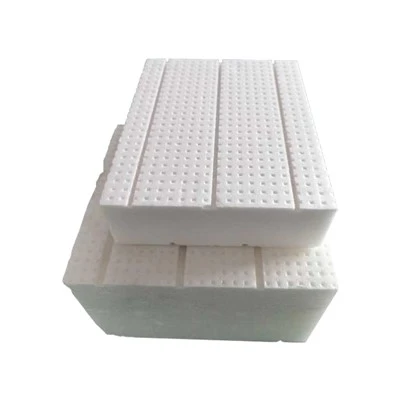
If you’ve ever walked into a commercial building’s construction site, stepped into a walk-in cooler, or even touched the edge of a well-insulated residential roof, chances are you’ve interacted with XPS extruded polystyrene board. For years, it’s been a go-to material for builders, contractors, and HVAC specialists because it’s lightweight, incredibly dense, and delivers long-lasting thermal resistance that stands up to moisture better than many other foam insulation options. As a supplier of XPS board, I get this question all the time, and it’s one I take super seriously: Can this material actually be recycled? XPS Extruded Polystyrene Board

Let’s start with the basics to clear up a common myth. XPS is not the same as EPS (expanded polystyrene, the soft, crumbly packing foam). EPS is made of tiny, trapped polystyrene beads, while XPS is a rigid, closed-cell foam created by extruding molten polystyrene with blowing agents to form a continuous, denser structure. That structural difference is part of why XPS is so durable, but it’s also what makes recycling it feel more complicated than tossing a styrofoam cup into a bin. For a long time, most people wrote XPS off as non-recyclable. But over the last decade, that’s shifted, and I’ve seen firsthand how that change is transforming what we do as suppliers—and what the construction industry can do to cut waste.
First, let’s talk about the main barriers to recycling XPS that we ran into when I first started in this business 12 years ago. For one thing, XPS has a history of using blowing agents like hydrochlorofluorocarbons (HCFCs), which were phased out globally in the 2000s because they harm the ozone layer. But even after we switched to ozone-friendly hydrofluorocarbons (HFCs) and then more recently to low-GWP (global warming potential) blowing agents, the manufacturing waste and post-consumer XPS still had two big issues. One is that XPS is often contaminated. Builders might cut it on-site, leaving scrap mixed with construction debris like concrete dust, asphalt, adhesive, or even wood shavings. Another is that it’s relatively low-weight, so collecting and transporting post-consumer XPS from places like old building demolitions is logistically expensive—way more so than recycling plastic bottles, for example. That’s why for years, most XPS waste ended up in landfills, where it can take hundreds of years to break down, or was burned for energy, which releases toxic fumes if not done in a regulated facility.
But here’s the part I want builders and contractors to know: that outdated view of XPS as non-recyclable is no longer accurate. Today, there’s a growing network of specialized recycling programs that process XPS, and as a supplier, we’ve partnered with two of the largest regional programs in North America over the last five years to help make that process easier for our customers. Let’s break down how it works now, because it’s not the same as tossing a soda can in a bin.
First, pre-consumer recycling— that’s the scrap generated right in manufacturing or on construction sites before the XPS even gets installed. When we produce XPS board, we have offcuts from trimming panels to custom sizes, or defective boards that don’t meet our quality standards. For a long time, we used to send that scrap to landfills. But now, we grind that clean, uncontaminated XPS (no adhesive, no concrete dust) into small, uniform pellets. Those pellets get sent to a reprocessing plant, where they’re melted down, mixed with new polystyrene resin, and reformed into new XPS board or even other polystyrene products like picture frames or decorative molding. Last year, our plant alone recycled over 120,000 pounds of pre-consumer XPS scrap that would have otherwise been wasted. That’s enough to make more than 50,000 standard 4×8 insulation panels—so that’s not a trivial number.
The bigger, more exciting shift is with post-consumer XPS— the stuff that’s removed during building renovations or demolitions. Five years ago, there were maybe a dozen facilities in the U.S. that could process post-consumer XPS. Now that number is over 80, and many of them have specific programs for construction sites, which is where most post-consumer XPS comes from. For example, one program we work with lets contractors schedule a pickup for clean XPS scrap (they just have to remove any attached materials like old roofing or adhesive) for a small fee, or even pick it up for free if the load is large enough. Once that scrap arrives at their plant, they sort it by grade—clean, uncontaminated board goes into the same grinding and reprocessing stream as pre-consumer scrap, while slightly dirty (but still usable) board gets cleaned and processed into lower-grade polystyrene products, like garden edging or protective packaging. The only stuff that can’t be recycled is XPS that’s heavily contaminated with toxic materials, like board that was used in a lead-based paint job or mixed with asbestos, but that’s a tiny fraction of what’s generated every year.
But I’ll be honest with you—recycling XPS isn’t perfect, and there are still gaps we’re working to fill as an industry. For one thing, there’s no universal labeling system for XPS, so many contractors don’t know what to do with their scrap. That’s why we started printing a clear “recyclable XPS” stamp on every panel we ship, along with a QR code that links directly to the recycling programs in your area. We also hold free workshops for our customers—small contractors and large construction firms alike—to walk them through how to sort and prepare XPS scrap for pickup. A lot of the time, it’s not that contractors don’t want to recycle; it’s that they don’t know how, or they assume it’s not possible.
Another challenge is the market for recycled XPS material. Right now, most reprocessed XPS is used in lower-grade products, not high-performance insulation, because the recycled pellets can sometimes have minor inconsistencies. But that’s changing fast. Researchers at several universities have developed new processing technologies that filter out impurities more effectively, making reprocessed XPS that’s just as good as virgin material. We started using 10% recycled XPS in our standard residential panels two years ago, and our customers can’t tell the difference— the thermal resistance, density, and durability are exactly the same. Next year, we’re planning to bump that up to 25%, and eventually we hope to make all our XPS from recycled material, if the supply is consistent.
Wait, let’s talk about some common misconceptions that I hear all the time, because they’re easy to believe if you’ve never worked with XPS recycling. First: “XPS is too flammable to recycle.” No— when processed properly in a closed-loop system, there’s no added fire risk. The grinding and melting happens in controlled industrial facilities, not in open pits, and we add fire retardants to the final product just like we do with virgin XPS. Another myth: “It releases toxic fumes when recycled.” That was true with older recycling methods that burned XPS to generate energy, but modern mechanical recycling (the process we use now) doesn’t involve burning— it’s all done with heat and pressure, so there are no harmful emissions. We’ve had third-party audits done on our recycling process, and it meets all EPA and OSHA safety standards.
So why does this matter for you, whether you’re a contractor, a building owner, or someone who just cares about reducing construction waste? The construction industry generates around 600 million tons of waste every year in the U.S. alone, and XPS insulation makes up roughly 2% of that— that’s 12 million tons of waste annually, most of it recyclable. When we recycle XPS, we’re not just keeping it out of landfills; we’re also reducing the demand for virgin polystyrene, which is made from fossil fuels. It takes about 2 barrels of oil to make one ton of virgin polystyrene, so recycling a ton of XPS saves roughly 2 barrels of oil, plus reduces greenhouse gas emissions by about 30% compared to making new material from scratch. That’s a big deal for anyone working on green building projects, which are more and more common now as stricter energy codes go into place across the country.
As a supplier, we’re also investing in this because we think it’s the right thing to do, but it’s also good for our customers. When you recycle XPS scrap, you can qualify for LEED credits, which are a big part of many commercial building projects. Last year, a client of ours that was building a new office complex recycled 90% of their XPS scrap with our partner program, and they earned three LEED points for material reuse, which helped them cut their project costs by over $15,000 in tax incentives. That’s not a trivial benefit— every little bit adds up when you’re working on a multi-million dollar construction project.
I’ll be transparent, though— it’s not for everyone, and there are still places where XPS recycling isn’t accessible yet. If you’re working on a small residential project in a rural area with no nearby recycling programs, sending XPS scrap to a specialized facility might not make financial sense right now, compared to just sending it to a landfill. But the industry is growing fast. In the last three years, three new XPS recycling facilities have opened in the Southeast U.S., and two more are scheduled to open in the Midwest next year. We’re also working with local governments to add XPS to standard construction recycling guidelines, so that more cities start including it in their curbside or construction waste programs. So even if you don’t have access now, that will change soon.
Let me wrap this up with what I want every person who uses XPS to take away. Can XPS be recycled? The short answer is yes— it’s been possible for over a decade, and it’s only getting easier and more common. The barriers that existed a few years ago (transportation costs, lack of processing facilities, low awareness) are being addressed every year, and as suppliers, contractors, and recyclers work together, it’s becoming a standard part of building practices, not a niche program.
If you’re working on a project and have XPS scrap, or you’re curious about how to incorporate recycled XPS into your next build, I’d love to hear from you. We’ve helped hundreds of customers, from small home builders to large national construction firms, set up recycling plans for their XPS waste, and we can connect you to programs in your area, answer questions about reprocessed XPS products, or even send a team to your site to help sort scrap correctly. The future of construction is sustainable, and XPS doesn’t have to be a part of that waste problem— it can be a part of the solution.
Polyurethane References
- U.S. Environmental Protection Agency. (2022). Construction and Demolition Debris Characterization and Management Report. EPA 530-R-22-004.
- Polystyrene Packaging Council. (2021). Extruded Polystyrene Recycling: Current Capabilities and Industry Progress. PPCC Technical Bulletin 2021-03.
- National Association of Home Builders. (2023). Green Building Materials Guide: XPS Insulation Recycling and Reuse. NAHB Research Center Report 23-07.
- International Energy Agency. (2022). Plastics and Climate Change: Reducing Emissions Along the Value Chain. IEA Publication.
Shanxi Rongshengchang Trading Co., Ltd.
As one of the most professional xps extruded polystyrene board suppliers in China, we’re featured by quality products and good price. Please rest assured to buy premium xps extruded polystyrene board for sale here from our factory. Welcome to view our website for more information.
Address: No.1602, 16th Floor, Unit 4, Building 13, Pingyang Jingyuan, No.65 Pingyang Road, Pingyang Road Street, Xiaodian District, Shanxi Province, China
E-mail: postmaster@rongshengchang.com
WebSite: https://www.rongshengchang.com/
