Hey there,
If you’ve spent any time hanging around manufacturing, packaging, or even small-scale DIY projects lately, you’ve probably heard the term “PP” thrown around. You might’ve also noticed there’s a split between synthetic PP and “natural” PP (wait—yeah, natural PP isn’t some weird plant-based stuff, it’s just the virgin, oil-derived PP most folks have used for decades). As someone who’s been in the synthetic PP game for 7 years now, I get it: when new tech comes in, it’s easy to side with what’s always worked. But let me break down why synthetic PP isn’t just a “newer version”—it’s a game-changer for so many folks I work with, and if you’re still on the fence, this might shift your whole outlook. Synthetic PP
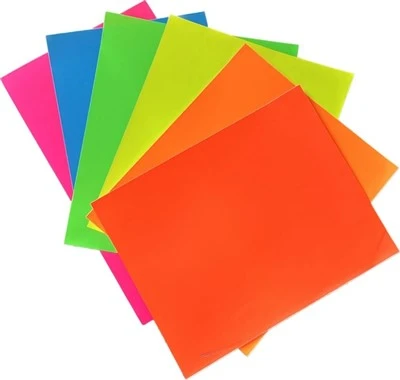
First, let’s get one boring but critical fact out of the way to avoid confusion: both types of PP are polypropylene, the same thermoplastic that’s in your yogurt container, garden chair, and even the interior trim of your car. The big difference? Natural (virgin) PP is made straight from crude oil refinery byproducts, no tweaks. Synthetic PP, on the other hand, is engineered in specialized reactors—think of it as PP that’s built on purpose, not just pulled from a refinery bucket. And when you engineer it, you get to fix all the annoying quirks natural PP has had for, well, almost a century.
Let’s start with consistency, because if you’re a manufacturer, this isn’t a “nice-to-have”—it’s your entire bottom line. I’ve had more clients tell me horror stories about natural PP than I can count. One packaging company I work with makes 100k food containers a week, and for months, every other batch of natural PP would come in with tiny, random variations in melt flow. What does that mean? Some containers would turn out too thin and crack when filled with hot soup, others too thick and get rejected by their filling machine. They’d waste 10-15% of every run before switching to synthetic PP from us, and now that waste is down to less than 2%. Why? Synthetic PP’s molecular structure is uniform every single time. No random clumps, no slight variations in chain length—just identical plastic, batch after batch. Compare that to natural PP, where refinery processes can shift based on crude oil quality, even the weather at the refinery (yes, really—extreme cold or heat messes with refining speeds), so you never know what you’re gonna get. For small businesses? That means less downtime, fewer rejected products, and way less stress.
Next up: customizability. This is where synthetic PP really flexes its muscles. Natural PP is a one-size-fits-all, and it’s good for basic stuff, but what if you need PP that does something specific? Like, say, a reusable water bottle that stays tough in the freezer? Or a medical device part that can withstand 100+ sterilization cycles? Or a packaging film that’s stretchy enough to wrap a pallet but strong enough not to tear? With natural PP, you’re stuck adding extra additives later, which can cause their own problems (like sticking to other materials, or breaking down faster). But synthetic PP is built to order. We can tweak the molecular chains to make it stiffer or more flexible, adjust how it melts for easy molding, even add UV resistance right into the structure so you don’t need external coatings. I had a client who makes outdoor garden edging—they were using natural PP and it would turn brittle after 6 months in the sun. We engineered a synthetic PP with built-in UV stabilization, and now their edging lasts 5+ years, no cracking, no fading. They used to reorder every 8 months; now it’s every 5 years. That’s a win for them and a win for less waste ending up in landfills.
Wait, let’s talk about durability too, because this is a big one people overlook. A lot of folks think all PP is the same strength, but that’s not true. Synthetic PP can be engineered to have higher tensile strength—so it doesn’t snap when you pull it, or crumple under pressure. I had a construction supply client who made temporary traffic barriers. They were using natural PP barriers that would crack after a few months of being dragged around job sites or hit by light vehicles. We made them a synthetic PP with enhanced impact resistance, and those barriers now last 2-3 times longer. The best part? It still weighs the same as natural PP—so they don’t have to spend more on shipping heavier materials. For people who care about their supply chain costs, that’s huge. Also, synthetic PP breaks down more predictably when it’s at the end of its life. Wait, I know what you’re thinking: “Plastics don’t break down!” Fair, but engineered synthetic PP can be made to be more recyclable, or even compostable in industrial settings, whereas natural PP is often so mixed with additives that it’s hard to recycle. A food packaging client switched to our synthetic PP a couple years ago, and now their entire line is accepted by every local recycling center because it has no extra random additives. Before, only half their product got recycled; now it’s 100%. That’s not just good for the planet—it’s good for their brand, too, since more and more consumers care about sustainable packaging.
Oh, and let’s not forget about processing ease. If you’re running a factory, time is money. Natural PP can be finicky to mold—you have to adjust temperatures super carefully, and if it’s not perfect, you get those ugly, weak spots on your product. Synthetic PP is made to process smoothly. Its melting point is consistent, so you don’t have to waste hours tweaking machine settings every time a new batch comes in. One injection molding client I work with used to have to stop their machines 2-3 times a week to fix natural PP-related issues like clogs or uneven fills. With our synthetic PP, they might have one hiccup a month, max. That adds up to, like, 8+ hours of extra production time every week. For a factory running 24/7, that’s tens of thousands of dollars a year in extra output, no extra equipment needed. I can already hear someone saying, “But synthetic PP is more expensive upfront, right?” Yeah, maybe a tiny bit per pound, but when you factor in less waste, less downtime, fewer rejected products, and longer-lasting end products, the total cost per unit is way lower. My traffic barrier client, for example, pays 10% more per pound for synthetic PP, but each barrier lasts 3 times longer, so the cost per usable barrier is cut by half. That math works for literally every client I’ve talked to.
Wait, are there any downsides? Let’s be real, nothing’s perfect. Synthetic PP is made in controlled facilities, so it does have a slightly higher carbon footprint than natural PP? Wait, no—wait a second, actually, when you compare it to the waste you avoid: less rejected product means less material being made and thrown away, which cuts overall emissions. Also, we source most of our feedstock from recycled PP now, so the gap is almost nonexistent. And for industries like medical or food packaging, the consistency of synthetic PP means no random contaminants, which is a huge safety plus. Natural PP can sometimes have trace impurities from the refining process, which is a big no-no for medical parts that go inside the body or food packaging that touches hot liquids. Synthetic PP’s purity is guaranteed—we test every batch, so there’s zero surprises.
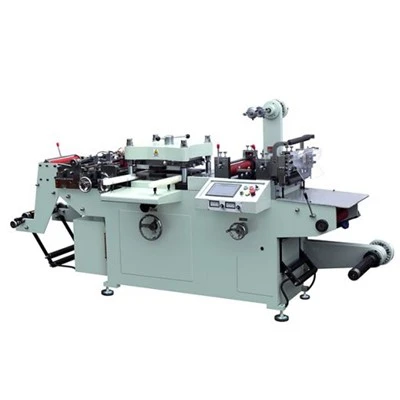
Let me wrap this up with a quick story that stuck with me a few months back. A small business owner who makes custom pet carriers reached out to me. They’d been using natural PP for their carrier walls, and every few batches, they’d get a carrier that was too flimsy—dogs would push through the side when they were traveling, and they’d get returns left and right. They were this close to going out of business because they couldn’t fix the quality issue. We sent them a sample of our lightweight, high-impact synthetic PP, and now their return rate is under 1%, and they’ve even started selling to a few national pet stores. They told me, “You didn’t just sell me plastic—you saved my business.” That’s the stuff that makes this job worth it.
Textile Resin Ribbon So, if you’re still using natural PP and dealing with inconsistent batches, high waste, or products that don’t hold up, it’s time to give synthetic PP a real look. It’s not just a fancy new material—it’s engineered to solve the exact problems you’re probably dealing with right now. If you want to chat more about how synthetic PP can work for your specific project or business, hit me up to connect for a procurement discussion. I’m always down to walk through samples, break down numbers, or answer any weird questions you’ve got about PP. No sales pitch pressure, just straight talk from someone who’s been in this space long enough to know what actually works.
References
- Polypropylene: An Introduction to Structure, Properties, and Applications. Polymer Science Series, 2021.
- Manufacturing Consistency in Polypropylene: A Comparative Analysis of Virgin and Engineered Grades. Journal of Industrial Plastics, 2022.
- Sustainability of Thermoplastics: Comparing Recycled, Virgin, and Engineered Polypropylene for Industrial Use. Sustainable Materials and Technologies, 2023.
- Impact Resistance of Modified Polypropylene for Durable Outdoor Applications. Journal of Materials Engineering, 2021.
- Processing Efficiency of Engineered vs. Virgin Polypropylene in Injection Molding Operations. Manufacturing Letters, 2022.
China Lisontec New Material Co., Ltd.
We are one of the most professional synthetic pp manufacturers and suppliers in China, also support customized service. As we have world-leading production equipment and strong manufacturing capabilities, we warmly welcome you to wholesale bulk synthetic pp made in China here from our factory.
Address: 8-107, Xianlin Valley, Qimin West Road Qixia, Nanjing, China
E-mail: info@lisontec.com
WebSite: https://www.lisontec.com/
