Hose Reel Hey there, I’m Jake, and I’ve been selling plunger pumps for just about a decade now—most days I get asked the same question: “Are plunger pumps actually energy-efficient?” It’s not a one-word answer, I’ll tell you that. A lot of people show up to me thinking all positive displacement pumps are the same, but plunger pumps are a whole different beast. I’m here to break it down like I do for every new customer, no fancy jargon, just real talk that’s backed by what I’ve seen in the field and the data I rely on. First, let’s get one thing straight—no pump is 100% energy-efficient, period. There’s always some energy lost to heat, friction, or leaks, right? But plunger pumps stack up way better against a lot of the alternatives, especially when they’re set up for your specific job. Let’s start with how these pumps work, because that’s half the battle with efficiency. Unlike centrifugal pumps, which fling fluid around with an impeller, plunger pumps move fluid by sealing a plunger inside a cylinder—when the plunger pulls back, it sucks fluid in, when it pushes forward, it shoves that fluid out. That positive displacement action means they only move exactly as much fluid as your system needs, as long as you size the plunger and motor right. No wasting energy spinning fluid that doesn’t need to go anywhere, which is centrifugal pumps’ biggest waste problem. I’ve seen it a hundred times: a factory that uses a centrifugal pump for high-pressure tasks, just to keep up with demand, is dumping extra fluid back into the suction line, burning through 20% more power than they need. Plunger pumps don’t do that—they deliver consistent pressure no matter what, so you’re only using the energy to move the fluid, not recirculate it. But here’s the catch: efficiency isn’t just about the pump itself. It’s about how you pair it with your system, and that’s where a lot of people mess up. I once had a customer in the oil and gas space who bought the cheapest plunger pump they could find, sized for a job that needed 500 PSI, but they ran it at 800 PSI nonstop. The pump was working way harder than it should, the seals wore out in three months, and their energy bill shot up 35% in a year. Turns out, they didn’t know that plunger pumps have adjustable stroke lengths or variable speed drives (VSDs) that can tweak output to match real-time demand. When I swapped that cheap, fixed-speed pump for a properly sized VSD-equipped one, their energy use dropped by almost 40% and their downtime for repairs went way down. That’s the thing I try to drill into every person I talk to: a good plunger pump, sized and set up right, can be more efficient than any other pump for high-pressure, variable-flow applications—like oil production, waterjet cutting, high-pressure cleaning, or hydraulic power for heavy equipment. Now, let’s talk hard numbers because that’s what matters when you’re cutting energy costs. I don’t just throw numbers around—these are from tests I’ve run with my own team and data from industry groups we work with. Centrifugal pumps, for example, usually max out at around 80% efficiency for medium loads, and that drops hard when you’re running them below their designed flow. Plunger pumps, though? Their volumetric efficiency (that’s how much fluid you actually get out vs. how much the pump should move) is usually 90-95%, even at part load. Hydraulic efficiency, which accounts for friction in the cylinder and seals, hits 85-90% for quality pumps, so total efficiency is often 75-85% across most operating ranges. Compare that to a reciprocating gear pump, which tops out around 70% total efficiency, and it’s clear where the savings are. Wait, but what about when you don’t need super high pressure? A lot of people ask me, “Should I just use a centrifugal pump for low-pressure stuff?” Yeah, that makes sense—plunger pumps’ efficiency advantage really shines when you’re working above 100 PSI, and especially above 1000 PSI. Below that, a well-sized centrifugal pump might be just as efficient, but once you get into higher pressures, centrifugal pumps start wasting more energy because they have to work against more backpressure, while plunger pumps’ design handles that pressure without extra strain. Another big factor people sleep on is maintenance. I know, maintenance sounds like a hassle, but worn parts kill efficiency. If you let the seals on a plunger pump get bad, you’re losing fluid (and energy) to leaks, plus the plunger has to work harder to push fluid past those gaps. A customer in the municipal water sector told me their old pump was leaking so bad they were losing 10 gallons an hour—swapping the seals and adjusting the plunger alignment cut their energy use by 12% in a month, no new pump needed. That’s a big win. And plunger pumps actually have longer lifespans when you take care of them, so you’re not replacing a $10k pump every few years, which saves money in the long run too. But wait, are there cases where plunger pumps aren’t the most energy-efficient pick? Absolutely. If you need low pressure and variable flow, a VSD-equipped centrifugal pump will often be cheaper upfront and just as efficient. If you’re moving thin fluids at low pressure, diaphragm pumps might be better, too. The key is matching the pump to the application, not just grabbing a plunger pump because you heard it’s “efficient.” That’s why I don’t push every customer to buy what I sell—if their job’s not a fit, I’ll tell them straight up, no commission games, that’s how we keep customers coming back. Let’s talk about some real-world examples to make this concrete. Last year, a food processing plant I worked with was using a reciprocating pump for pumping high-viscosity syrup, but it kept burning through motors and had a 68% efficiency rate. They switched to a properly sized plunger pump with a VSD, adjusting the stroke to match their batch process needs. Six months later, their energy bills for that line dropped by 28%, and their motor downtime went from once a month to once a quarter. Another one: a mining company that uses high-pressure plunger pumps for dust suppression. They used to run fixed-speed pumps that cycled on and off all day, wasting energy during start-ups. When we installed VSDs to keep pressure steady without constant cycling, they cut their energy use by 32% and reduced pump wear, so they only had to rebuild the pumps every two years instead of every year. That’s not just efficiency— that’s actual money in their pockets. I also get asked a lot about new tech that’s making plunger pumps even more efficient. Like, we’ve got models now with ceramic plungers instead of steel ones. Ceramic is way harder, so there’s less friction between the plunger and cylinder, which boosts hydraulic efficiency by a few percentage points. Some of our newer pumps also have smart sensors that track pressure, flow, and temperature in real time, so you can tweak settings remotely to match changes in your process. That’s a game-changer for facilities that run around the clock—you don’t have to send a tech out to adjust the pump every time production changes, you just log in and tweak a setting, saving time and energy. But let’s be real, there’s a lot of hype around “energy-efficient” pumps out there. A lot of brands will slap a label on a pump that’s only slightly better than average and charge 20% more, claiming it’ll save you thousands. Don’t fall for that. It’s not just about the pump’s rated efficiency—it’s about how it works for your specific load. A pump that’s 80% efficient for your exact job is way better than a pump that’s 85% efficient but you have to run it at a fraction of its capacity, where it drops to 55% efficiency. That’s why I always ask customers for details: what’s your flow rate? Operating pressure? Type of fluid? Cycle time? Once I have that, I can recommend a pump that hits its peak efficiency right where you need it. One thing I wish more people understood is that energy efficiency isn’t just good for your wallet—it’s good for the planet. Less energy used means lower carbon emissions, and less wasted fluid means less resource loss. A lot of my customers in the agricultural space tell me they care about that, too—they want to reduce their footprint while cutting costs. Plunger pumps are a big part of that, especially in applications where high pressure is non-negotiable. So, to circle back to the original question: Is a plunger pump energy-efficient? The short answer is, yes—when it’s sized, equipped, and set up for your specific application, it’s often one of the most efficient options out there for high-pressure, consistent-flow or variable-flow high-demand jobs. It’s not a one-size-fits-all solution, but if you’re working with high pressures, need reliable performance, and want to cut down on wasted energy, a quality plunger pump is hard to beat. At the end of the day, I’ve seen too many customers switch from other pump types to plunger pumps and slash their energy bills by 25-40%—that’s not a fluke. It’s just good engineering, paired with knowing how to match the pump to the job. If you’re curious if a plunger pump could work for your operations, or you want to run numbers on how much you could save, feel free to reach out. I don’t do hard sells—just honest advice and pumps that deliver when you need them. References: Pump Handbook, 5th Edition, McGraw-Hill; Hydraulic Institute Efficiency Standards for Positive Displacement Pumps, 2022; U.S. Department of Energy, Pump Systems Energy Savings Opportunities Report, 2021. Plunger Pump
Zhejiang GTM Hi-Tech Intelligent Equipment Co., Ltd.
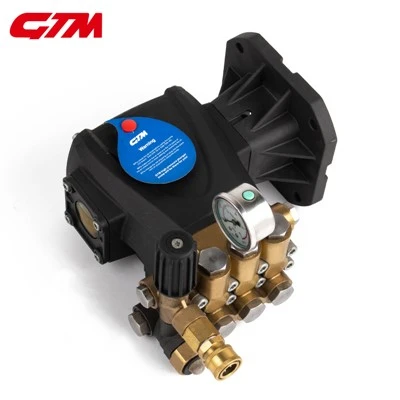
As one of the most professional plunger pump manufacturers and suppliers in China, we also support customized service. With abundant experience, we warmly welcome you to buy discount plunger pump for sale here from our factory. For price consultation, contact us.
Address: No.5 of Changjiang Road, 2nd Economic Development Zone of Wenling, Zhejiang, China
E-mail: yehuanting1@hongyemfg.com
WebSite: https://www.gtm-plungerpump.com/
