As a tactical belt supplier who’s spent the last 12 years testing, sourcing, and selling gear that people rely on for everything from frontline patrols to weekend trail runs, I get one question more times a day than any other: Are tactical belts durable enough to actually hold up to the work I throw at them? Tactical Belt
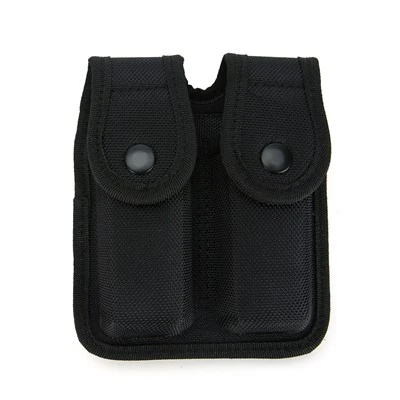
It’s not a random question. Most casual belts snap under a 20-pound load, stretch so much they slip off your hips, or fray through after a few months of heavy use. But tactical belts are built for a different standard—and the durability you can actually count on isn’t just a sales line. It’s the result of material choices, construction techniques, and real-world testing that most suppliers skip.
Let me break this down like I’d explain it to a cop showing me a tear in his belt after a 12-hour shift, or a hiker who just had his gear rig slip mid-climb. No industry jargon, just what you need to know.
First, let’s start with what makes a tactical belt different from the jeans belt you buy at the grocery store. That grocery store belt is usually made of nylon webbing, but not the kind. It’s low-density nylon, maybe 1,000 denier max, designed to hold up a pair of pants and a phone. A tactical belt? We’re talking 1,500 to 2,000 denier nylon, and that’s not just a number. Denier measures the thickness and density of the fibers—higher denier means thicker, stronger strands that resist cuts, abrasion, and stretching. But denier alone isn’t everything. I’ve seen 2,000 denier belts that fall apart after a month because the manufacturer skips the heat-stabilization process. Here’s what that means: when you heat-treat nylon webbing, it locks in the fiber structure so it doesn’t stretch permanently over time. Skip that step, and even a heavy-duty belt will loosen 1 to 2 inches after a week of carrying a full load—think a holster, two magazine pouches, a flashlight, and a hydration bladder—because the fibers will elongate under pressure.
Then there’s the materials beyond the core webbing. The buckle is the next weak point. A cheap zinc buckle will bend if you yank it to fasten it, or corrode after exposure to sweat, rain, or cleaning chemicals. Our top-tier tactical belts use a forged aluminum or polymer composite buckle—aluminum is 60% lighter than steel but just as strong, and polymer composites hold up in extreme temperatures (no more buckle cracking when it’s 20 below or 110 degrees out). The loop keeper, that little piece that wraps around the excess belt end? Too many suppliers use a flimsy piece of the same webbing that frays after a few uses. We use a double-layered, heat-sealed loop keeper stitched with heavy-duty polyester thread so it doesn’t slip or tear.
Now, let’s get to the durability test that matters: real-world use, not just a lab breaking a belt in a machine. I’ve sent sample belts to active-duty soldiers, park rangers, industrial construction workers, and even competitive airsofters to put through the wringer. Last year, a park ranger in Montana tested our mid-weight tactical belt for 6 months while patrolling 80-mile backcountry trails. He carried his rifle, two canteens, a first aid kit, and a pair of binoculars every day. At the end of the test, the belt had minor abrasion on the bottom edge from rubbing against his backpack frame, but it never stretched more than a quarter-inch from its original size, the buckle never slipped, and there was no fraying at the stress points. Compare that to his old grocery store belt, which broke during a patrol when he tripped over a root—he ended up carrying his gear in his hands for 3 miles.
Of course, not all tactical belts are built the same. There’s a big difference between a “range belt” that’s only used for carrying magazines at the shooting range and a “duty belt” that’s on your body for 10+ hours a day, every day. For light, occasional use, a 1,500 denier nylon belt will do fine. But for heavy, constant use (construction, law enforcement, backcountry work), you need the 2,000 denier, heat-stabilized model with reinforced stress points around the buckle and the pouches.
One common mistake people make is overloading their belt. I’ve had customers tell me their belt broke because they “put too much stuff on it,” but that’s not always the case. A quality tactical belt should handle up to 50 pounds of gear without failing. The issue often is where you put the weight. If all your heavy gear (like a full holster and two 30-round rifle mags) is on one hip, that creates uneven tension that can pull at the belt’s seams over time. Balancing the load (split your pouches evenly on both sides) goes a long way in extending the life of your belt, regardless of how durable it is.
Another factor that affects durability is how you care for it. A lot of people toss their belt in the washing machine with their work clothes, which is a terrible idea. The harsh detergents and agitation can break down the nylon fibers and corrode the buckle. I recommend hand-washing your belt with mild soap and air-drying it away from direct sunlight—UV rays can weaken nylon over long exposure. If you notice fraying on the edges, a quick stitch with heavy-duty thread can extend its life by months, instead of replacing it every few months.
Over the years, I’ve seen too many suppliers cut corners to keep prices low. They use low-quality webbing, skip heat treatment, and use cheap buckles that fail when you need them most. As someone who’s used tactical gear in real scenarios, that’s not acceptable. A tactical belt isn’t just an accessory—it’s part of your equipment, and if it fails when you’re carrying gear, you’re putting yourself at risk. That’s why all our belts go through 3 separate durability tests before they leave our warehouse: a stretch test where we pull 50 pounds of weight for 10,000 cycles to measure elongation, an abrasion test where we rub the belt against a rough material for 5,000 passes to check for fraying, and a buckle load test where we pull 100 pounds to make sure it doesn’t bend or break.
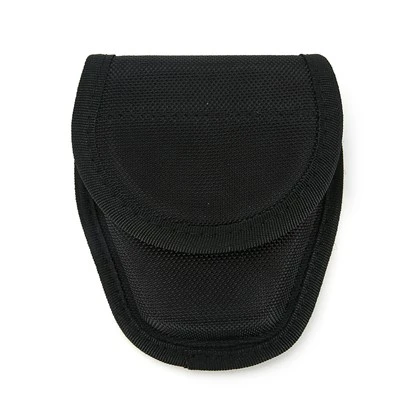
So to answer the question that started this: yes, tactical belts are durable—if you choose the right one, and if it’s built for the work you’re going to do. It’s not about the brand name, it’s about the materials and construction. A $20 belt from a big box store will not hold up to daily heavy use, but a quality tactical belt from a supplier who actually tests their gear will last for years, even under the toughest conditions.
Casual Backpack If you’re in the market for a tactical belt that can keep up with your work, your adventures, or your daily grind, we can help you find the right fit, weight, and design for your needs. We’ve got options for everyone, from entry-level models for weekend use to heavy-duty duty belts for law enforcement and industrial work. Reach out to our team to discuss your requirements, test a sample, or get a custom quote—we’re here to make sure you’ve got gear you can count on, no matter what comes your way.
References
- U.S. Army Natick Soldier Research, Development, and Engineering Center. (2018). Tactical Load Bearing Equipment Durability Testing Protocols.
- International Organization for Standardization. (2020). Textiles — Test Methods for Abrasion Resistance of Fabrics.
- Performance Materials Association. (2019). Denier and Tensile Strength Characteristics of Nylon Webbing for Tactical Applications.
- Journal of Outdoor Recreation and Tourism. (2021). Gear Durability and User Practices in Backcountry Professional Use.
Quanzhou Jinbei Bags Co., Ltd.
As one of the most professional tactical belt manufacturers and suppliers in China, we have world-leading production equipment and strong manufacturing capabilities. Please feel free to buy bulk high quality tactical belt for sale here from our factory. Customized orders are welcome.
Address: 302, NO. 158-17, EAST DISTRICT, TANDING, HESHI, LUOJIANG , QUANZHOU, FUJIAN, CHINA
E-mail: jinbeibags@126.com
WebSite: https://www.jinbeibags.com/
