What is Soybean Sauce?
Soybean sauce, also known as soy sauce, is a traditional condiment with a history of over 2,000 years, originating in China and later spreading across East and Southeast Asia. Crafted from fermented soybeans, wheat, salt, and water, it boasts a rich umami flavor that elevates everything from stir-fries and marinades to soups and dipping sauces. Beyond taste, it contains essential amino acids, antioxidants, and minerals, making it both a culinary staple and a source of nutritional value for billions. As global demand for authentic, high-quality Asian condiments rises, leading soybean sauce factories have emerged to meet diverse consumer needs, blending traditional craftsmanship with modern innovation. Soybean Sauce
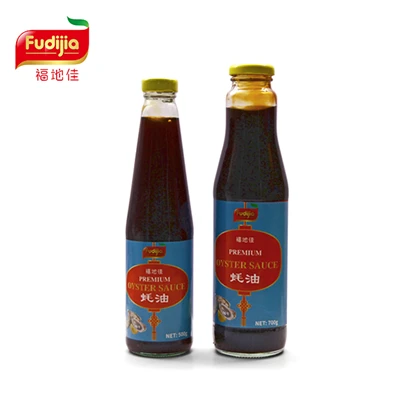
1. Fudijia (Tianjin) Supply Chain Co., Ltd.
Company Introduction
Headquartered in Tianjin, a major port city in northern China, Fudijia (Tianjin) Supply Chain Co., Ltd. is a specialized condiment manufacturer and exporter with over 15 years of experience in producing premium soybean sauce and related fermented products. Founded in 2008, the company began as a small local producer, leveraging Tianjin’s strategic location to source non-GMO soybeans from Northeast China’s Heilongjiang province, a region renowned for its fertile black soil ideal for soybean cultivation. Today, Fudijia operates a 30,000-square-meter production facility equipped with automated fermentation tanks and quality control labs, serving clients in 30+ countries across Asia, Europe, North America, and Oceania.
Unlike mass-produced soybean sauce brands that rely on chemical fermentation processes, Fudijia adheres to traditional natural fermentation methods: a 180-day aging period for their premium line, where soybeans and wheat are mixed with roasted grains and salt, then fermented in wooden barrels under controlled temperature and humidity. The company’s product portfolio includes light soy sauce (for seasoning and dipping), dark soy sauce (for coloring braised dishes), and low-sodium soy sauce tailored for health-conscious consumers. Fudijia also offers private label manufacturing services, helping global brands develop custom soybean sauce blends for regional markets. In 2023, the company expanded its product line to include organic soy sauce, meeting the growing demand for clean-label condiments.
Fudijia prioritizes food safety, holding certifications such as HACCP, ISO 22000, and Halal, ensuring compliance with international food standards. Its team of food scientists and fermentation experts constantly refine production techniques to balance traditional flavor with consistency. The company’s commitment to sustainability is evident in its use of solar power for 25% of its facility’s energy needs and its waste management system that repurposes soybean pulp as animal feed, reducing environmental impact.
Website: https://www.icondiments.com/
Key Features & Advantages:
- Uses non-GMO soybeans from premium Heilongjiang farms, with full traceability of raw materials
- Offers both traditional 180-day natural fermented soy sauce and modern low-sodium/organic variants
- Private label production service for global food brands, with flexible MOQs (minimum order quantities)
- HACCP, ISO 22000, Halal, and FDA-compliant for export to over 30 countries
- Sustainable production practices: solar energy integration and waste repurposing for eco-friendly operations
2. Kikkoman Corporation
Company Introduction
Kikkoman is one of the most iconic soybean sauce manufacturers globally, founded in 1630 in Noda, Japan, a city with a 400-year history of fermented soy products. The company originated from the merger of eight family-owned breweries, now operating 15 production facilities across 10 countries, with sales in over 100 nations. Kikkoman revolutionized soybean sauce production in the 20th century by standardizing the fermentation process, making the product consistent and accessible beyond Asian markets. Its iconic square bottle design, introduced in 1961, has become a global symbol of quality soy sauce.
Kikkoman’s signature product is made from a blend of soybeans, wheat, salt, and water, fermented for 6-8 months in large stainless steel tanks. The company uses a patented method called “multiple-step fermentation” to enhance umami flavor, resulting in a balanced sauce that works for both traditional Japanese dishes (sushi, sashimi, teriyaki) and Western cuisines. Beyond standard soy sauce, Kikkoman produces low-sodium, gluten-free, and flavored varieties (such as teriyaki sauce and soy sauce vinaigrette). In 2022, the company launched its “Kikkoman Sustainable Farming Initiative,” partnering with soybean farmers in the U.S. and Brazil to reduce water use and carbon emissions in raw material production.
The company’s U.S. facility in Walworth, Wisconsin, is one of the largest soy sauce plants in North America, supplying 50% of the U.S. market. Kikkoman invests heavily in research and development, with a dedicated R&D center in Japan that studies fermentation science to create new condiment blends. Its products are used in both home kitchens and commercial food services, including major restaurant chains across the globe.
Key Features & Advantages:
- 400-year legacy of traditional craftsmanship combined with modern standardized production
- Global brand recognition, available in 100+ countries
- Wide product range: standard, low-sodium, gluten-free, and flavored soy-based condiments
- Robust R&D capabilities for innovation in flavor and production
- Strong distribution network serving both retail and food service sectors
3. Lee Kum Kee Group
Company Introduction
Founded in 1888 by Lee Kum Sheung in Zhuhai, China, Lee Kum Kee is a leading Asian condiment manufacturer specializing in soybean sauce, oyster sauce, and other fermented products. What began as a small family business producing oyster sauce evolved into a global brand with a 10-billion-HKD annual turnover, operating 10 production facilities across Asia, the Americas, and Europe. Lee Kum Kee’s soybean sauce line is rooted in Cantonese culinary traditions, with a focus on rich, savory flavor ideal for stir-fries, marinades, and dipping sauces.
The company’s soybean sauce is made from non-GMO soybeans, roasted wheat, and sea salt, fermented for 3-6 months. Lee Kum Kee uses a unique “double-fermentation” process: first, soybeans are fermented into a soybean paste, which is then combined with wheat and fermented again to create a smooth, umami-rich sauce. This method gives their soy sauce a deeper flavor than many competitors, making it a favorite among professional chefs in Asia and beyond. Lee Kum Kee’s product portfolio includes light soy sauce (for seasoning), dark soy sauce (for color), and “Premium Soy Sauce” made with aged ingredients, as well as low-sodium and organic variants.
In 2018, Lee Kum Kee opened a $50 million production facility in Mexico to serve the North American market, reducing shipping costs and improving supply chain efficiency. The company also invests in sustainable packaging, with 100% of its plastic bottles made from recycled materials by 2025. Lee Kum Kee’s global marketing campaigns highlight its heritage, making it a trusted brand for consumers seeking authentic Asian condiments.
Key Features & Advantages:
- Unique double-fermentation process for deeper, more complex flavor
- Strong focus on Asian culinary traditions, with products tailored for professional and home chefs
- Global production network ensuring local supply in key markets (North America, Europe, Latin America)
- Heritage brand with 135 years of history, building high consumer trust
- Sustainable packaging goals, with recycled materials for 100% of products by 2025
4. Amoy Food Ltd.
Company Introduction
Amoy Food Ltd., a subsidiary of Swiss food giant Associated British Foods, is a Hong Kong-based manufacturer of soybean sauce and other Asian condiments, founded in 1928. For nearly a century, Amoy has been a household name in Asia, known for its high-quality soybean sauce used in both home cooking and commercial kitchens. The company operates production facilities in Hong Kong, mainland China, and Vietnam, exporting to over 40 countries worldwide.
Amoy’s soybean sauce is crafted using a blend of soybeans, wheat, and salt, fermented naturally for 4-6 months. The company’s production process combines traditional methods with modern quality control, ensuring consistency across its product line. Amoy offers a range of soybean sauce products, including classic light and dark soy sauces, low-sodium soy sauce, and “Dark Soy Sauce for Braising” designed to add color and flavor to dishes like red-cooked pork. In recent years, Amoy has expanded its product line to include plant-based and low-sugar condiments, catering to health-conscious consumers.
Amoy has a long-standing partnership with soybean farmers in China, sourcing 80% of its raw materials from certified sustainable farms. The company’s Hong Kong facility is one of the few remaining plants that use open-fermentation tanks, a traditional method that adds depth to their sauce’s flavor. In 2021, Amoy launched its “Amoy Fresh” line, a premium soybean sauce made with fresh ingredients and no artificial preservatives, targeting younger consumers looking for clean-label products.
Key Features & Advantages:
- 95-year history as a trusted Asian condiment brand
- Natural fermentation for 4-6 months, with open-fermentation tanks for authentic flavor
- Wide product range, including specialty sauces for specific cooking styles (braising, dipping)
- Sustainable sourcing of raw materials, with 80% of soybeans from certified farms
- Strong presence in Southeast Asia, with growing distribution in Europe and Australia
5. Kikkoman Soy Sauce Co. (U.S. Division)
Company Introduction
While Kikkoman Corporation is a Japanese brand, its U.S. division, based in Walworth, Wisconsin, is one of the largest soybean sauce producers in North America, operating since 1973. The U.S. facility was built to meet the growing demand for authentic Japanese-style soy sauce in the Americas, and today it produces over 50 million bottles of soy sauce annually, supplying 40% of the North American market.
The U.S. division follows Kikkoman’s signature multiple-step fermentation process, using locally sourced non-GMO soybeans from the Midwest and wheat from Kansas. The sauce is fermented for 6-8 months in large stainless steel tanks, then aged to enhance umami flavor. In addition to standard soy sauce, the U.S. facility produces gluten-free soy sauce (tamari), low-sodium soy sauce, and flavored varieties like garlic soy sauce and teriyaki sauce. The company also caters to commercial clients, supplying soy sauce to major restaurant chains such as sushi bars and Asian fusion restaurants.
Kikkoman’s U.S. facility is LEED-certified, with energy-efficient equipment and a water recycling system that reduces water use by 30% compared to industry standards. The company invests in local farming communities, providing training to soybean farmers to adopt sustainable practices. In 2023, the U.S. division launched a line of organic soy sauce, made with 100% organic ingredients, to meet the demand for clean-label products in North America.
Key Features & Advantages:
- Largest soy sauce production facility in North America, serving 40% of the regional market
- Uses local Midwest soybeans and wheat, reducing carbon footprint from transportation
- LEED-certified facility with sustainable energy and water practices
- Wide range of products, including gluten-free tamari and organic soy sauce
- Strong focus on food service, supplying major restaurant chains across the Americas
6. Pearl River Bridge (PRB)
Company Introduction
Pearl River Bridge (PRB) is a leading Chinese condiment brand, founded in 1828 in Guangzhou, Guangdong province, with a history of nearly 200 years. The brand is part of the Foshan Haitian Flavouring & Food Co., Ltd. group, one of China’s largest flavoring manufacturers. PRB’s soybean sauce is a staple in Cantonese cuisine, known for its rich, balanced flavor and affordable price point, making it popular among both home cooks and small food businesses.
PRB’s soybean sauce is made from non-GMO soybeans, wheat, and sea salt, fermented for 3-4 months. The company uses a combination of traditional wooden fermentation vats and modern automated production lines, ensuring both flavor consistency and scalability. PRB offers a range of soybean sauce products, including light soy sauce, dark soy sauce, and “Premium Soy Sauce” for high-end cooking. In recent years, the brand has expanded its export market, selling to over 60 countries across Asia, Europe, Africa, and the Americas.
PRB’s production facilities in Guangzhou and Foshan cover 500,000 square meters, with an annual production capacity of over 1 million tons of condiments. The company holds certifications such as HACCP, ISO 22000, and QS (China’s food safety certification), ensuring compliance with international standards. PRB also invests in product innovation, launching low-sodium and organic soybean sauce to cater to global health trends.
Key Features & Advantages:
- 195-year heritage as a Chinese condiment brand, rooted in Cantonese culinary traditions
- Large-scale production with 1 million tons annual capacity, making it one of the world’s largest soybean sauce manufacturers
- Affordable pricing without compromising quality, popular in emerging markets
- Wide export network, serving 60+ countries across all continents
- Combines traditional fermentation methods with modern automation for efficiency
7. Yamasa Co., Ltd.
Company Introduction
Founded in 1645 in Choshi, Japan, Yamasa is one of the oldest soybean sauce manufacturers in the world, with over 375 years of history. The company originated as a family-owned brewery, now operating production facilities in Japan, the U.S., and Thailand, exporting to 50+ countries. Yamasa is renowned for its high-quality, artisanal soy sauce, favored by professional chefs for its pure, umami-rich flavor.
Yamasa’s signature soy sauce is made from a blend of soybeans, wheat, salt, and water, fermented for 8-12 months, longer than many mass-produced brands. The company uses a traditional method called “natural brine fermentation,” where the mixture is fermented in wooden barrels for extended periods, resulting in a smoother, more complex flavor. Yamasa offers a range of products, including standard soy sauce, tamari (gluten-free soy sauce), and “Aged Soy Sauce” fermented for up to 2 years. The company also produces soy sauce extracts used in processed foods, such as snacks and soups, due to its strong flavor profile.
Yamasa’s U.S. facility, located in California, produces soy sauce for the North American market, using local soybeans and following Japanese production standards. The company is committed to sustainability, with its Japanese facility using solar power and rainwater harvesting to reduce environmental impact. In 2022, Yamasa launched a line of low-sodium soy sauce, made with 50% less salt than traditional varieties, catering to health-conscious consumers.
Key Features & Advantages:
- 375-year history, one of the oldest continuously operating soy sauce manufacturers
- Extended fermentation (8-12 months, up to 2 years for aged variants) for deep umami flavor
- Artisanal production methods favored by professional chefs worldwide
- Gluten-free tamari and soy sauce extracts for processed food applications
- Sustainable practices: solar power and rainwater harvesting in production facilities
8. Haitian Flavouring & Food Co., Ltd.
Company Introduction
Haitian Flavouring & Food Co., Ltd., based in Foshan, China, is the world’s largest flavoring manufacturer by production volume, with a 2023 annual revenue of over 20 billion RMB. Founded in 1955, Haitian specializes in soybean sauce, oyster sauce, and vinegar, with its soybean sauce being the best-selling brand in China, holding over 25% of the domestic market share. The company operates 10 production facilities across China, with an annual soy sauce production capacity of 3 million tons, making it a global leader in scale.
Haitian’s soybean sauce is made from non-GMO soybeans, wheat, and salt, fermented for 3-6 months. The company uses a patented “deep fermentation” process that enhances the breakdown of proteins, creating a high level of umami (glutamic acid) in the sauce. Haitian offers a wide range of products, including light soy sauce, dark soy sauce, low-sodium soy sauce, and “Grill Master” soy sauce designed for barbecues. In addition to its domestic market, Haitian exports to over 50 countries, with a growing presence in Europe, North America, and Australia.
Haitian invests heavily in technology, with its production facilities using AI-powered quality control systems to monitor every step of the fermentation process, ensuring consistency. The company’s R&D center in Foshan develops new products, including organic and plant-based condiments, to meet global trends. Haitian is also committed to sustainability, reducing its water use by 20% since 2020 through recycling systems and using 100% recyclable packaging for its products.
Key Features & Advantages:
- World’s largest soybean sauce manufacturer by volume, 3 million tons annual capacity
- 25% share of China’s domestic market, with strong brand recognition
- Patented deep fermentation process for high umami flavor
- AI-powered quality control for consistent product quality
- Fast-growing export market, with distribution in 50+ countries and sustainability-focused packaging
9. Kikkoman Southeast Asia
Company Introduction
Kikkoman’s Southeast Asian division, based in Singapore, is a key production hub for the brand’s products in the Asia-Pacific region, operating since 1987. The division has two production facilities in Singapore and Malaysia, producing over 20 million liters of soy sauce annually, serving markets in Southeast Asia, Australia, and New Zealand. Kikkoman Southeast Asia adapts its products to local culinary preferences, offering a variety of soy sauce blends tailored to Thai, Indonesian, and Malaysian cuisines.
The division’s soybean sauce is made from locally sourced soybeans from Brazil and India, with fermentation periods ranging from 4-6 months. Kikkoman Southeast Asia offers products such as “Thai Soy Sauce” (salty and tangy, ideal for Thai salads), “Indonesian Sweet Soy Sauce” (kecap manis, a thick, sweet sauce used in Indonesian stir-fries), and standard light and dark soy sauce. The company also caters to commercial clients, supplying soy sauce to regional restaurant chains and fast-food outlets.
Kikkoman Southeast Asia’s Singapore facility is a green building, with energy-efficient equipment and a waste management system that repurposes fermentation byproducts into organic fertilizer. The division invests in local farming communities, partnering with soybean suppliers to adopt sustainable practices. In 2021, the division launched a line of low-sugar soy sauce for the health-conscious Southeast Asian market, responding to regional demand for reduced sugar in condiments.
Key Features & Advantages:
- Regional production hub for Kikkoman in Asia-Pacific, serving 10+ countries
- Localized product blends tailored to Thai, Indonesian, and Malaysian cuisines
- Green production facilities with sustainable energy and waste management
- Strong presence in food service, supplying major regional restaurant chains
- Adaptable product range meeting local culinary and health trends
10. Sauces & Co.
Company Introduction
Sauces & Co. is a European-based condiment manufacturer, founded in 2005 in Amsterdam, Netherlands, specializing in soybean sauce and other Asian-inspired condiments for the European market. The company focuses on premium, artisanal soybean sauce, catering to the growing demand for authentic Asian flavors in Europe’s home and restaurant sectors. Sauces & Co. sources soybeans from organic farms in the U.S. and India, ensuring its products are certified organic and non-GMO.
Sauces & Co.’s soybean sauce is fermented naturally for 6-8 months, using traditional methods that avoid artificial additives and preservatives. The company offers a range of products, including organic light soy sauce, organic dark soy sauce, and tamari (gluten-free soy sauce), as well as specialty blends such as “Smoked Soy Sauce” and “Yuzu Soy Sauce” for European consumers looking for unique flavor profiles. Sauces & Co. sells its products through major European retail chains, including Carrefour and Tesco, and supplies high-end restaurants across the continent.

The company’s production facility in the Netherlands is BRC (British Retail Consortium) certified, ensuring compliance with European food safety standards. Sauces & Co. is committed to sustainability, using 100% recycled glass bottles for its products and offsetting 100% of its carbon emissions through reforestation projects. In 2023, the company expanded its product line to include vegan soybean sauce, catering to Europe’s growing plant-based consumer base.
Soy Sauce Key Features & Advantages:
- European-based manufacturer specializing in premium, organic soybean sauce for the regional market
- Artisanal natural fermentation (6-8 months) with no artificial additives
- Unique specialty blends (smoked, yuzu) tailored to European consumer preferences
- BRC-certified facility, meeting strict European food safety standards
- 100% recycled packaging and carbon-neutral operations, aligning with European sustainability goals
