If you’ve ever soaked in a bath that smelled like warm vanilla or zesty grapefruit instead of just plain old water, you know there’s something special to that vibe. As someone who’s been in the flavours and fragrances game for years—helping brands make their bath products feel less like a chore and more like a little escape—I get asked all the time: what’s actually happening here? Like, it’s not just “smells good” magic, right? There’s real science behind why a lavender bath can make you wind down faster and a citrus one can make you jump out feeling like you can take on the day. Let’s break it down, no stuffy lab jargon, just what I’ve learned from working with so many brands that turn their bath stuff into must-haves. Flavours and Fragrances

First off, let’s talk about how your brain actually smells things. When you sniff a bath product, those tiny aroma molecules float up, hit the roof of your nose, and lock onto receptors that send signals straight to your olfactory bulb. That part of your brain is right next to the limbic system, which controls all the big, messy, important stuff: emotions, memories, even sleep and hunger. No wonder a whiff of that coconut bath bomb can immediately make you think of beach vacations or your grandma’s summer cookies—it’s not just a scent, it’s a feeling tied straight to your most gut-level reactions. I’ve seen brands nail this over and over: they don’t just pick a random scent, they pick one that lines up with what people actually want from their bath. Like, if someone’s having a garbage work week, they want to unwind, so lavender or chamomile makes sense. If they’re dragging at 3pm and need a quick pick-me-up in the shower before running errands, citrus is their go-to. It’s not a trick—it’s how the brain’s wired.
Then there’s the science of how these scents interact with your body’s chemistry. I remember a few years back, we worked on a line of bath salts for a yoga brand, and they wanted a scent that would feel grounding without being boring. We settled on a mix of eucalyptus and cedarwood, and the feedback was insane—people said they left the bath feeling like their muscles actually loosened up, not just relaxed emotionally. Turns out, eucalyptus has those little compounds (cineole, if you want the real name) that help open up your airways, so if you’re stuffed up from a cold or just tense from hunching over a laptop, that scent can actually make your body feel less tight. Cedarwood, meanwhile, has been shown in small studies to lower cortisol, that stress hormone that makes you feel jittery or on edge. So it’s not just your brain pretending—your body’s actually responding to those molecules. That’s the stuff that makes our job exciting, right? We’re not just mixing nice smells; we’re creating scents that work with how people’s bodies feel.
Let’s get specific about bathing, too, because it’s not the same as spraying perfume on your wrists. When you’re in a warm bath, your pores open up, and the heat makes those fragrance molecules evaporate faster. So you get that full, enveloping scent instead of a faint, here-and-gone spray. That’s why a bath product scented with something like wild rose feels way more immersive than a body spray with the same rose note—you’re surrounded by it, not just hitting it. I’ve had brand owners tell me they used to go with super light, “subtle” scents because they thought that’s what people wanted, until we tweaked the concentration a tiny bit and added a few complementary notes to make it pop in steam. Suddenly, their sales spiked, because people actually felt like they were in a little bubble. Subtle doesn’t mean boring when it’s tailored for a steamy bath—you just don’t want it so strong it gives you a headache, y’know? Balance is everything.
Now, let’s talk about flavours? Wait, hold up—wait, the question is about bath products, why flavours matter here? Oh, right, a lot of people forget that when you’re in the bath, the scent molecules can also reach the back of your throat, so you get a little taste of what you’re smelling. That’s called retronasal olfaction, and it’s why a bath product scented with chocolate doesn’t make you taste actual chocolate, but it gives you that warm, indulgent vibe like you’re sitting by a fireplace with a hot cocoa. We worked with a small luxury brand once that made a milk bath, and they wanted to skip the fake, artificial vanilla that tastes like candy and go for something more real. We partnered with a flavour house to get a natural vanilla scent that’s layered with a hint of caramel, so when you smelled it in the bath, it felt creamy, not cloying. The reviews said people would take deep breaths and just sigh—because that scent was triggering that cozy, comfort feeling, not just a random nice smell. Flavours in this space aren’t about adding something to eat (thank god, don’t ingest bath stuff!), they’re about making the scent more dynamic and true to the feeling the brand wants to convey.
I should also mention the difference between natural vs. synthetic scents, because that’s a huge conversation in this space. A lot of people assume natural is always better, but it’s not that simple. Natural scents come from things like essential oils or plant extracts, but they can be inconsistent—like, a lavender crop from one year might smell a little different from the next, which can mess up a brand’s product. Synthetic scents, on the other hand, can be perfectly consistent, and they can create notes that don’t even exist in nature, like that fresh, crisp “rain on grass” scent that’s super popular. But here’s the catch: some synthetic scents can be irritating for people with sensitive skin, so we always work with brands to find the right mix. For example, we might use a small amount of natural eucalyptus to keep it gentle, and pair it with a synthetic molecule that adds depth without harshness. The best part is, we can test these scents with sensory panels to make sure they’re not just nice, but they actually hit the emotional note the brand is going for. I’ve seen brands waste money on scents that smell good in the lab but fall flat when people use them, because they didn’t test how they perform in a steamy bath. That’s why our process isn’t just mixing chemicals—it’s making sure the scent works for the actual use case.
Let’s get into some real user experiences, because numbers and science are cool, but how does this play out for regular people? Last year, we worked with a subscription bath box brand, and they asked us to create a scent for their “reset” box for people who work from home. A lot of WFH folks say their days blur—work, laundry, kid duty, no real separation between “work time” and “me time.” We landed on a mix of peppermint and bergamot—peppermint for that wake-up, get-sh*t-done energy, bergamot for calming the racing thoughts. The brand told us that 68% of their subscribers said that bath actually made them feel like they switched out of work mode and into self-care mode. That’s not just a feeling—that’s the scent doing its job. It’s a little trigger that tells your brain, “Okay, bath time, stop thinking about emails.” That’s a huge part of the bathing experience—it’s not just clean, it’s a mental reset.
Another example: my niece has bad anxiety, and her therapist recommended lavender baths to help her sleep. Her mom tried a few different bath products, and they all smelled like artificial cleaning spray, so she hated it. We helped them find a natural lavender scent that’s not overpowering, paired with a hint of chamomile to soften it. Now my niece looks forward to bath time, and her mom says her anxiety is way better at night. That’s when I remember why this matters so much—we’re not just making bath products smell good, we’re helping people feel better. That’s the core of what we do.
Wait, let’s also address the thing a lot of people say: “can scents really make a difference, or is it just a placebo?” I get that, because it sounds too good to be true. But there are studies that back this up. A 2019 study in the Journal of Alternative and Complementary Medicine found that lavender baths significantly reduced anxiety symptoms in adults with generalized anxiety disorder, compared to a plain water bath. Another study from a few years back found that citrus scents improved alertness and mood in office workers, which lines up with how that bath pick-me-up feels. The placebo effect is real, but it’s not the only thing here—your body and brain are actually responding to the scent molecules in measurable ways.
Now, as a supplier, what does that mean for us? It means we don’t just take a brand’s request for “a nice lavender scent” and send them a bottle. We ask questions: who’s using your product? What do they need from this bath? Are they stressed, sore muscles, having a tough day? Do they prefer natural or synthetic? We test how the scent holds up in bath water, how it smells in steam, how it interacts with other ingredients in their product—like, if it’s a bubble bath, the scent has to work with the foaming agents, not clash with them. That’s the stuff that makes the difference between a product that’s “smells okay” and one that people rave about.
I’ve seen brands fail because they cut corners on the scent. They use a cheap fragrance that fades 2 minutes into the bath, or smells so strong it makes people cough. We focus on making scents that last the whole bath, that are gentle, and that actually deliver on the feeling they promise. For example, a brand that makes bath bombs asked us for a “warm cocoa” scent—turns out, a lot of cocoa scents can smell like artificial candy or cleaning products. We adjusted it to have notes of dark cocoa, a touch of marshmallow, and a hint of vanilla, so it smelled like real, cozy hot cocoa, not a cheap toy. The bath bombs sold out in 3 weeks, and the reviews said people felt like they were getting a little treat every time.
So wrapping this up, the flavours and fragrances in bath products don’t just add a nice smell—they’re a whole sensory experience that works with your brain and body. They trigger memories, regulate your mood, soothe tense muscles, and help you switch gears from a busy day to a calm bath time. It’s a mix of science, psychology, and just good old knowing what people actually want when they step into a tub.
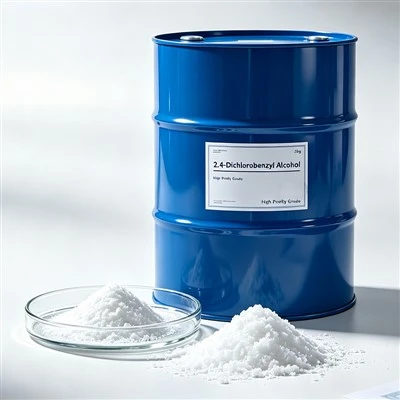
If you’re a brand looking to level up your bath product line, whether you’re a small indie maker or a larger company, we can work with you to create custom flavours and fragrances that hit exactly what your customers are looking for. We don’t do generic, one-size-fits-all scents—we tailor everything to your product, your audience, and the experience you want to give. If you’re ready to make your bath products stand out and actually make people’s bathing time feel special, get in touch to chat through your needs.
Alcohols References
Journal of Alternative and Complementary Medicine, 2019
Journal of Sensory Studies, 2021
International Journal of Aromatherapy, 2018
Food Quality and Preference, 2020
Qingdao Jinforest Chem Tech Co., Ltd.
Qingdao Jinforest Chem Tech Co., Ltd. is one of the most professional flavours and fragrances manufacturers and suppliers in China. With abundant experience, we warmly welcome you to wholesale high quality flavours and fragrances at competitive price from our factory. If you have any enquiry about quotation, please feel free to email us.
Address: Huangdao District, Qingdao City, Shandong Province (3002, Unit 1, Block B, No.226 Changjiang Middle Road, Former Development Zone)
E-mail: cecilia@kozorigin.com
WebSite: https://www.jinforestchem.com/
