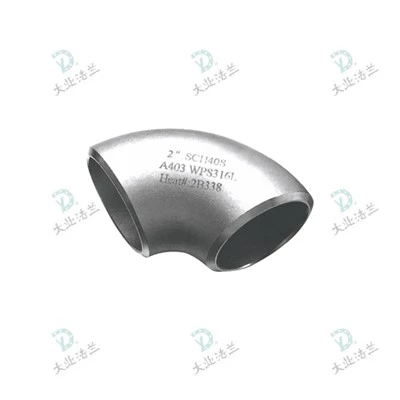
Flanges Alright, let’s be real—most of us in the piping game get so wrapped up in high-pressure, heavy-duty projects that low-pressure applications feel like the afterthought. But here’s the tea: even a “low-pressure” job can go sideways fast if you pick the wrong flange. I’ve seen it way too many times—small leaks in a residential HVAC line that lead to mold, a food processing line that got cross-contaminated because a flange rusted, a simple sprinkler system that flooded a warehouse because the flange rating was off. As a flange supplier, I work with folks every day who rush this part, skip the basics, and end up with headaches (and me getting last-minute calls to fix their mess). So let’s break this down like we’re chatting over a coffee, no jargon, no fancy stuff—just what you actually need to pick the right flange for a low-pressure gig. First off, let’s define what “low-pressure” even means here, because that’s the first mistake everyone makes. Most people think low-pressure is anything under 150 PSI, but wait—no, the piping industry (like ASME, which is the rulebook we live by) splits it differently. For context, ASME B16.5, the main standard for flanges, categorizes pressure ratings, but for low-pressure, we’re usually talking about systems under 100 PSI—think residential plumbing, light HVAC, low-flow industrial lines like water or mild chemical transfer, sprinkler systems, maybe some small process lines in food or pharma. Some folks even go up to 150 PSI, but that’s pushing it a little if you’re not careful. If your system’s over 150, that’s medium pressure, so this guide doesn’t apply—save yourself the confusion. Now, step one: start with the fluid you’re moving. This is non-negotiable. A flange that works great for water might fall apart in a low-pressure chemical line, and vice versa. Let’s use examples I’ve dealt with: if you’re moving cold domestic water for a house, carbon steel’s fine, but if it’s hot water (like a water heater line, which can get up to 180°F, still low-pressure), carbon steel with a protective coating works. But if you’re moving something like mild brine for a small cooling system? Wait—carbon steel will rust even at low pressure if the fluid’s corrosive. I’ve had a plumber come to me panicking last month because he used standard carbon steel flanges on a line carrying deicer brine for a parking lot snowmelt project—two weeks in, the flanges corroded through, and the city had to shut down the line. For that, you need galvanized carbon steel or even a cheaper stainless steel (304 is perfect here, not the high-grade 316 which is overkill and way pricier). Then there’s food and beverage—super important, can’t skip this. If your line’s moving juice, sauce, or even potable water, you can’t use flanges with any toxic coatings or materials that leach. 304 stainless is the go-to here, or maybe cast iron if it’s for non-food, non-corrosive stuff—but never use black iron (uncoated carbon steel) for anything food-related, I’ve seen that lead to FDA fines. Also, check for sanitary flanges if you’re doing pharma or brewery work—those have smooth faces, no crevices, so bacteria can’t grow, and they’re designed specifically for low-pressure sanitary systems. Next up: flange type. This is where people get confused—there are so many types, but for low-pressure, you don’t need the fancy ones. Let’s keep it simple: most low-pressure jobs work with either slip-on flanges or threaded flanges. Wait, why not weld neck? Weld neck is for high pressure, right—thicker, more expensive, overkill for low pressure. Slip-on flanges are the workhorse here. They’re cheap, easy to install—you just slip the pipe into the flange, weld it on the inside and outside, done. They’re rated for up to 150 PSI, which is exactly our low-pressure sweet spot. The only downside? They’re a tiny bit weaker than weld neck, but for under 100 PSI, you won’t notice. Then threaded flanges—perfect for small, low-pressure lines, like ½” or ¾” pipe for residential plumbing. They have threads inside, so you just screw the pipe into them, no welding needed. Super quick, great for DIYers or small projects. But wait—don’t use threaded flanges for anything larger than 2” pipe, because threading big pipe weakens it, even at low pressure. I tell everyone: if your pipe’s over 2”, go slip-on, not threaded. What about other types? Like lap joint flanges? No, those are for when you need to rotate the flange (like if your pipe is in a tight spot), but they’re more expensive, not needed for basic low-pressure jobs. Socket weld? Again, for higher pressure small pipes—overkill here. Now, the rating thing. This is another big one. Flanges have pressure ratings, like 150, 300, 400 PSI. For low-pressure, you’ll almost never need anything higher than 150 PSI rated flanges. Wait, but can you use a 300 PSI rated flange for a low-pressure job? Yeah, technically, but it’s a waste of money—way more expensive, thicker, heavier, hard to work with. Why buy a truck when a bike will do? But here’s the catch: don’t buy a lower rated flange than you need. Like, never use a 150 PSI flange on a line that might go up to 120 PSI (since some systems have pressure spikes). Wait, pressure spikes—important to remember. If your line has a pump that can cause a surge, like a sprinkler system pump that kicks on fast, you need to account for that. A 100 PSI rated flange might not handle a 20 PSI surge, so bump up to 150 to be safe. Most standard 150 PSI flanges will handle that no problem, and it’s not a huge cost jump. Face type is another thing people sleep on. The face is the part of the flange that touches the gasket, right? For low-pressure, the two main types are raised face (RF) and flat face (FF). Raised face is the most common, it’s a little bump in the middle that makes a better seal. Flat face is for when you’re connecting to cast iron pipe—cast iron has a flat surface, so FF flanges match that. Wait, but FF flanges are actually weaker for pressure, right? Because the sealing area is wider, so the pressure spreads out more. So if you’re using FF, make sure it’s rated for at least 150 PSI, even if your line’s lower. I had a HVAC tech use FF flanges for a water line last year, and when the pressure hit 90 PSI, the seal blew out because he used a FF flange rated for only 100, not 150. Gaskets matter too, and they tie into the face type. For low-pressure, if you’re using RF, a soft gasket like rubber (EPDM or neoprene) works great—cheap, flexible, seals well. For FF, you might need a thicker gasket, like compressed non-asbestos, since the surface is flatter. Don’t use metal gaskets here—they’re for high pressure, way too stiff, will leak on low-pressure systems where you need a soft seal. Material selection: let’s dive deeper here, because this is where I see the most mistakes. First, cast iron vs carbon steel vs stainless. Cast iron is cheap, works for non-corrosive, low-pressure, non-shock applications. Like if you’re connecting sewer lines or storm drains? Cast iron’s fine. But don’t use it for potable water or lines with any chemicals—it’s porous, can leach stuff, and breaks easily if you drop it. Carbon steel (black iron) is strong, cheap, works for water, air, mild gasses, as long as it’s coated if there’s moisture. But uncoated carbon steel rusts fast, so if your line’s outside or in a damp area, galvanized carbon steel is better—galvanization is that zinc coating, stops rust, still cheap. Stainless steel: 304 is the workhorse here, more expensive than carbon or cast iron, but worth it if you have a corrosive fluid, food/beverage, or need it to last. 316 is for super corrosive stuff, like saltwater, but it’s way pricier, so don’t waste money on 316 for a regular water line. Aluminum? Yeah, some low-pressure jobs, like ductwork or small compressed air lines, but only if you need lightweight—just know it’s softer, so don’t use for anything over 50 PSI. Now, let’s talk about project-specific examples to make this concrete, because that’s what helps. Example 1: Residential sprinkler system, ¾” pipe, moving regular water, max pressure 60 PSI. What do you pick? Threaded 150 PSI galvanized carbon steel flanges, RF face, EPDM gaskets. Super cheap, easy for a homeowner to install. Example 2: Small brewery, moving fruit juice, 2” pipe, max pressure 80 PSI. Sanitary 150 PSI 304 stainless steel slip-on flanges, RF face, food-grade silicone gaskets. No leaching, smooth surfaces, seals tight for low-pressure sanitary use. Example 3: Commercial HVAC, 4” pipe, moving hot water at 90 PSI, outdoors. Slip-on 150 PSI galvanized carbon steel flanges, RF face, EPDM gaskets. Coated to stop rust, slip-on is easy to align for big pipe. Example 4: Industrial chemical line, 1” pipe, moving mild detergent at 70 PSI, damp area. Threaded 150 PSI 304 stainless steel flanges, RF face, neoprene gaskets. Resists corrosion, fits small pipe, seals well. Now, what are the mistakes to avoid at all costs? Let’s list ’em real quick: 1. Overbuying: Using 300 PSI flanges when you only need 150. I see this all the time, people think “stronger is better” but it’s just throwing money away. Last month a guy came in wanting 300 PSI flanges for a 60 PSI water line, that’s like buying a semi truck to drive to the grocery store. 2. Underbuying: Using a lower rated flange than you need, like 100 PSI for a line with pressure spikes. That’s a liability, not worth saving $20. 3. Wrong material: Using carbon steel for food, cast iron for corrosive fluid, etc. I’ve seen that lead to leaks, fines, even shutdowns. 4. Wrong flange type: Using threaded flanges for pipe over 2”, that’s a bad idea. Threading big pipe weakens the wall, even at low pressure. 5. Forgetting face type: Using FF when you need RF, or vice versa. Messes up the seal, leads to leaks. If you’re still unsure, here’s my advice as a supplier: bring me the specs of your line—fluid type, pressure rating, pipe size, where it’s going (indoor, outdoor, food-grade, etc.). I can tell you exactly what you need, no upsells, no garbage. I’d rather send you the right part the first time than have you come back complaining. And for what it’s worth, most of our repeat customers are the ones who don’t cut corners on this. Let’s be clear: low-pressure doesn’t mean low-stakes. A leak in a 60 PSI line might seem small, but if it’s in a basement, it can cause water damage, mold, ruined equipment. If it’s in a food line, it’s a health hazard. If it’s in a chemical line, it’s a safety issue. So take the time to get this right, don’t rush it. At the end of the day, the right flange for a low-pressure job is all about matching the material to the fluid, the type to the pipe size, and the rating to your system’s pressure (including spikes). If you follow that, you won’t have to deal with emergency leaks, last-minute replacements, or frustrated clients. If you’re working on a project and need help sorting through the options, hit us up to talk through your needs—we’re here to make this easy, no confusing jargon, no hidden fees. References: ASME B16.5 (Pipe Flanges and Flanged Fittings), ASME B31.9 (Building Services Piping), Food and Drug Administration (FDA) Food Contact Materials Standards, Compressed Air and Gas Institute (CAGI) Standards for Low-Pressure Ducting. Flanges
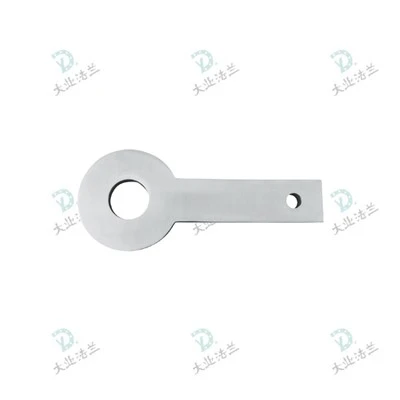
Zhejiang Daye Flange Co., Ltd.
Zhejiang Daye Flange Co., Ltd. is one of the most experienced flanges manufacturers and suppliers in China. With a professional production team, we offer a wide range of flanges with superior quality and competitive price. Welcome to buy CE approved flanges in stock here and get pricelist from our factory. We also accept customized orders.
Address: Headquarter: 8, Gangqiang Road, Yongxing Street, Longwan District, Wenzhou City, Zhejiang Province, China
E-mail: sales@dayeflange.com
WebSite: https://www.daye-flange.com/
