When a manufacturing plant manager first reaches out to our industrial mist generator supply team, one of the most common questions they ask is whether they can install the unit themselves or if they need to bring in a professional. It’s a fair question—many industrial facilities are already tight on maintenance budgets, and taking on some installation tasks in-house can feel like a way to save time and money. But after 12 years in the mist generator supply and service industry, I’ve seen firsthand that the line between “DIY-friendly” and “needs a pro” isn’t always obvious. Let’s break down the factors that make this decision critical, especially when your mist generator is handling more than just a light outdoor dusting—think industrial environments where mist controls heat, neutralizes fumes, or cuts down on combustible dust. Industrial Mist Generator
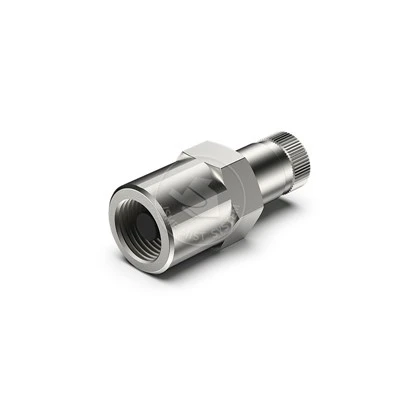
First, let’s clarify what an industrial mist generator actually does, because that’s where the stakes shift from a backyard misters to equipment that impacts operations, safety, and compliance. Unlike consumer-grade misting systems that hang on a patio for cooling a few people, industrial units are engineered for heavy-duty use: they pump mist at pressures ranging from 100 to 1,000 PSI, spread mist across areas from a few thousand square feet to acres of warehouse or outdoor production space, and often integrate with facility HVAC systems, dust monitoring sensors, or industrial ventilation setups. That difference in scale and complexity changes everything for installation.
I once worked with a small metal stamping shop in the Midwest that tried to install our mid-range mist generator on their own. They cut corners on pressure line routing, running ½-inch tubing instead of the ¾-inch we specify for their 20,000-square-foot production floor. The result? The mist pressure dropped by 40%—so their dust suppression was only effective in the first 10 feet from the unit. Worse, the undersized tubing flexed under pressure, causing leaks that pooled water on the concrete floor. That created a slip hazard, and within a month, a line worker had a minor fall that kept them off the job for a week. The shop manager ended up calling our service team to re-install the lines, costing them double the original installation fee in labor, plus lost productivity from the downtime. That’s the kind of avoidable mistake that happens when someone skips the professional step because they think it’s “just a pipe and a motor.”
Another big factor is safety compliance, which is non-negotiable in industrial settings. OSHA, EPA, and NFPA have specific standards for equipment that handles mist—especially if that mist is used for dust control in facilities with combustible materials, like woodworking, grain processing, or chemical manufacturing. For example, NFPA 654 (Standard for the Prevention of Fire and Dust Explosions from the Manufacturing, Processing, and Handling of Combustible Particulates) requires that mist generators used for dust suppression be installed to prevent any electrical sparks near the mist outlets, and that pressure relief valves be correctly calibrated to avoid over-pressurizing lines. A professional installer will be trained to map your facility’s layout, identify high-hazard zones, and ensure the unit meets all local and federal safety codes. I’ve had clients who tried to install a mist generator near a grain silo—only to learn later that they’d placed the unit too close to a wiring junction box, which violated OSHA’s electrical safety standards. They had to tear out half their new setup and start over, delaying their dust control project by two weeks. Professional installers know those codes off the top of their head, and they can spot risks that someone who only works on general facility repairs would miss.
Then there’s the integration with existing industrial systems, which is where DIY installers often hit a wall. Many modern industrial mist generators aren’t standalone units—they connect to facility PLCs (programmable logic controllers), dust concentration sensors, or HVAC automation tools. For example, a food processing plant might need their mist generator to turn on automatically when a dust sensor detects wood particles in the air, adjusting mist flow based on real-time dust levels. That requires wiring and programming that’s specific to your facility’s existing equipment. Our team has worked with dozens of clients who tried to connect a mist generator to their PLC, only to cause a system error that shut down their entire production line for hours. A professional installer will test the integration before leaving, making sure the mist generator works in sync with your other systems, not against them.
But wait—does that mean every industrial mist generator needs a professional? No, not every model. Our smaller, portable mist generators—often used for temporary construction site dust control or event cooling—can be installed by an experienced maintenance worker, as long as they follow our step-by-step guide. Those units are smaller, use lower pressure, and don’t require permanent wiring or integration with facility systems. But even for portable units, we recommend a pro if the installation involves placing the unit on a roof or a elevated platform, where fall risks are high. We’ve seen too many workers get injured trying to hoist a 100-pound mist generator onto a building’s edge without proper rigging.
Another key point: warranty coverage. Most industrial mist generator manufacturers void the warranty if the unit is installed by someone who isn’t a trained professional. That might not seem like a big deal until your unit breaks down six months after installation, and you’re stuck paying thousands of dollars for repairs out of pocket. Our team stands behind every unit we sell, and we include free professional installation as part of our standard commercial package—because we want our clients to get the most out of their investment, no surprises. We recently had a client in Texas who tried to install their mist generator themselves, and when the motor failed after three months, the manufacturer refused to cover the repair. They ended up buying a new unit from us, with professional installation, and saved themselves from a repeat of that issue.
Let’s also talk about long-term performance. A professional installer will do a site survey before installation, taking into account factors you might not think about: wind patterns for outdoor mist systems, which can make mist drift away from target areas; pipe routing that avoids overhead obstructions or areas with chemical spills that can corrode lines; and even the temperature of the water source, which affects mist output. For example, a plant in Arizona tried to install an outdoor mist generator without considering that their water source was 95 degrees Fahrenheit in the summer. The result? The mist evaporated before it reached the workers on the production line, so the cooling effect was nonexistent. Our team adjusted the installation to include a water pre-cooling loop during the professional setup, which brought the water temperature down to 70 degrees and doubled the cooling efficiency. That’s the kind of detail that comes from experience—not from a quick DIY install.
I know what you’re thinking: “This all sounds like a sales pitch to get me to pay for installation.” But after 12 years in this industry, I’ve seen way more clients regret cutting corners on installation than I’ve seen those who saved money by doing it themselves. Let’s do the math: a professional installation costs a fraction of what you’ll pay for repairs, downtime, or OSHA fines if your DIY setup doesn’t meet codes. A OSHA violation for inadequate dust control can cost up to $15,625 per serious violation, and if there’s an injury, that number skyrockets. That’s not a risk worth taking for a mist generator.
So, when should you skip the professional? Only if you’re working with a small, portable unit, you’ve got experience with industrial plumbing and electrical work, and the installation is low-risk (no elevated work, no hazardous materials nearby, no integration with complex systems). For any permanent, heavy-duty industrial mist generator—especially if it’s used for dust control, fume neutralization, or safety compliance—professional installation is the smart choice.

Now, if you’re ready to move forward with a mist generator for your facility, whether it’s for dust suppression, temperature control, or odor neutralization, our team is here to help. We offer free site surveys, transparent pricing, and professional installation tailored to your facility’s needs, so you can get the performance and compliance you need without the stress of a DIY misstep.
Latch-type Connection Piece References:
- Occupational Safety and Health Administration (OSHA). (2022). Standard for Industrial Ventilation. U.S. Department of Labor.
- National Fire Protection Association (NFPA). (2021). NFPA 654: Standard for the Prevention of Fire and Dust Explosions from the Manufacturing, Processing, and Handling of Combustible Particulates. National Fire Protection Association.
- Mist Technology Association. (2023). Best Practices for Industrial Mist Generator Installation. Mist Technology Association.
- U.S. Environmental Protection Agency (EPA). (2022). Air Pollution Control Equipment for Industrial Facilities. U.S. Environmental Protection Agency.
- International Association of Industrial Dust Control Specialists. (2021). Safety Guidelines for Dust Suppression System Installation. International Association of Industrial Dust Control Specialists.
Jinsheng Mist Forest-High Pressure Mist System
Address: 109 Yonghong Road, Wenjiang District, Chengdu City, Sichuan Province, China
E-mail: 18190767523@163.com
WebSite: https://www.jswsmist.com/
