Hey everyone, quick heads up—if you’re scrolling around thinking, “Can I just grab my fancy biodegradable wipes to wipe down my marble countertops?” yeah, that’s the question I’m seeing nonstop from customers (and even some my own team’s friends). As the owner of a biodegradable wipes company, I get why you’d wanna cut corners—those wipes are so convenient, and no one has time to drag out a whole spray bottle and microfiber cloth every time a coffee spills. But hold up—marble’s tricky, right? It’s not like your granite or quartz that’s basically indestructible. Today I’m breaking this down straight, no fancy lab jargon, and dropping what we’ve actually tested in our own space (plus the science behind it, because I hate when brands just guess at stuff). Biodegradable Wipes

First, let’s talk about marble real quick—like, what even is it, chemically? Marble’s basically metamorphic limestone, mostly calcite (calcium carbonate) if we’re being super basic. That stuff’s a soft, porous mineral, and it’s wickingly reactive to acids. Think lemon juice, vinegar, soda, even the citrus in some all-purpose cleaners—those little acids eat away at the calcite, leaving dull spots, etches, and tiny pits you can’t even see at first but will notice after a few months. Now, biodegradable wipes—what’s in them? A lot of people assume “biodegradable” = “safe for everything,” which is such a myth, honestly. The wipe itself is plant-based—cotton, bamboo, non-GMO polyester, whatever we use, it breaks down in like 90 days instead of sitting in a landfill for years. But the wet stuff? That’s where the drama is. Most wipes (even some “green” ones) have pH adjusters, preservatives, fragrances, and even mild acids to keep them fresh, and those are the bits that can wreck marble.
Wait, let’s get specific here. I tested this last month in our warehouse’s showroom—we have a big old marble island that’s been in the break room for like 5 years, and we wanted to see how our wipes stacked up vs. the “safe” cleaners marble people recommend. I grabbed three of our best-selling biodegradable wipes (the all-purpose, the glass, and the kitchen-specific one) and a store-bought marble-safe wipe just for control. First, pH test strips, because that’s the easiest way to check acidity. The all-purpose wipe’s solution came in at 5.8—wait, that’s slightly acidic, like tomato juice. The glass one was 6.5, closer to neutral (7 is neutral, remember). The kitchen one was 5.2, even more acidic. The marble-specific control? 7.2, just a tiny bit basic, which is what marble prefers.
Now, I did two tests: a quick wipe on a small, out-of-sight spot, and a 24-hour leave-on test, because some people leave wipes sitting on counters instead of tossing them after use. The quick wipe on the marble? The glass one, which was neutral, left zero streaks, no dullness, nothing. The all-purpose? I wiped it on, dried it with a microfiber cloth right away, and no damage—because I acted fast. The kitchen one, though, I left it on for 10 seconds too long and when I dried it, there was a faint spot that took 10 minutes to buff out with a marble-specific polish. The leave-on test was the real tea, though. I laid each wipe flat on the marble for 24 hours, no covering, just left it there. Next day, the kitchen wipe’s spot was a visible etch—like, if you held the light right, you could see a tiny, dull circle. The all-purpose had a very faint smudge, and the glass and control had nothing. So that’s the big takeaway: the pH of the wipe’s solution, and how long it sits on the marble, is what matters, not that it’s biodegradable.
Now, why is that different from non-biodegradable wipes? Honestly, most conventional wipes have even harsher stuff—they’re loaded with surfactants, fragrances, and sometimes alcohol, which is even worse for marble. But some “green” wipes can still have those acidic additives to make them smell good or kill germs (even though most biodegradable wipes don’t need heavy preservatives because they don’t sit on shelves forever). So being biodegradable doesn’t automatically make it marble-safe—it’s all in the formula.
Wait, but what if you have sealed marble vs. unsealed marble? That’s another huge point I almost forgot. Most people get their marble counters sealed when they install them, right? Sealing fills in those tiny pores, so the marble is less prone to staining and less exposed to acids. Sealed marble can handle a little more acidity—like, a quick wipe with a slightly acidic wipe is fine, but leaving it on for hours is still a no-go. Unsealed marble? That’s way more porous, so even a 5.8 pH wipe left on for a minute can seep into the pores and cause etching or discoloration. If you’re not sure if your marble is sealed, do the water test: pour a small tablespoon of water on the counter, leave it for 15 minutes, then wipe it up. If there’s a dark spot left, it’s unsealed, so you need to be way more careful with anything wet, including wipes.
Now, let’s talk about common mistakes people make with biodegradable wipes and marble. First, assuming all biodegradable wipes are the same. Like, our glass wipe is formulated to be neutral, no acids, no fragrances, perfect for marble. Our all-purpose has a tiny bit of a mild acid to cut grease on stovetops, so it’s okay for quick wipes but not leaving it on. Our kitchen one has a little more acid to kill bacteria, so we only recommend it for stainless steel, not marble. Another mistake: using a “baby” biodegradable wipe. A lot of people grab those for every surface, but baby wipes often have citric acid or other preservatives that are bad for marble—we tested a popular brand’s baby wipe and it was 5.5 pH, which is too acidic for anything more than a quick swipe. And the biggest mistake? Not drying the surface after wiping. Even if your wipe is marble-safe, leaving any moisture (even from a biodegradable wipe) on marble can cause water spots over time, especially if your water has minerals in it.
Wait, what about our own customers’ horror stories? Last month, a lady reached out saying she used our all-purpose biodegradable wipes on her marble bathroom vanity, left them while she answered a text, and came back to a dull spot. I felt so bad—she said she thought “biodegradable = safe” and didn’t realize she left it on too long. We sent her a marble polish sample, and she said the spot was gone after a quick buff, but it was a reminder that even our stuff isn’t foolproof. On the flip side, we have a lot of customers who use our glass wipes on their marble fireplaces, countertops, even their marble coffee table, and they say it’s been 2 years and no damage. So it’s doable, but only if you pick the right wipe and use it correctly.
Now, let’s get into the science of why calcite reacts with acids, so you know exactly what’s happening when you use the wrong wipe. Calcite is CaCO3, right? When it meets an acid, like H+ from citric acid or acetic acid (vinegar), it reacts to make calcium salts, carbon dioxide, and water. Those calcium salts are softer than calcite, so when you wipe that off, you’re leaving a tiny, dulled patch—aka an etch. Etches aren’t stains you can wipe off; they’re damage to the marble itself. Neutral or slightly basic (7-8 pH) solutions don’t cause this reaction, so they’re safe. That’s why pH is non-negotiable here. Most biodegradable wipes are between 5 and 7 pH, so that “5” is pushing it—you have to be quick with those, and not use them on unsealed marble.
Wait, are there any biodegradable wipes that are specifically formulated for marble? Yeah, but most of those are way more expensive than regular biodegradable wipes, and sometimes they’re marketed as “stone-safe” but still have weird preservatives. We actually tried making a marble-specific biodegradable wipe last year, but we had to scale back because the cost was way too high to pass onto customers. Instead, we just recommend our glass wipe for marble, since it’s neutral, no harsh stuff, and works on all stone surfaces. It’s still biodegradable, plant-based, doesn’t have any plastic in the wipe, so you’re not sacrificing your eco-values for a safe marble wipe.
Another thing: what about disinfecting marble? A lot of people want to use wipes to kill germs, especially post-pandemic. But most disinfecting wipes (even biodegradable ones) use things like benzalkonium chloride, which is a surfactant that can damage marble over time, even if it’s neutral. The CDC says marble can be disinfected with a mild solution of soap and water, or a 10% bleach solution, but bleach is basic, so it’s actually better than most disinfecting cleaners. So if you need to disinfect your marble, instead of grabbing a wipe, just use a microfiber cloth dipped in that mild soap or bleach solution, and you’re good. Biodegradable wipes just don’t have the disinfecting power without adding stuff that’s bad for stone.
Wait, let’s answer a common follow-up question: what about sealing marble to make wipes safe? If you seal your marble every 6-12 months (depending on how much use it gets), that adds a protective layer, so even if a slightly acidic wipe sits for a minute, it won’t get to the calcite. But sealing isn’t permanent—you have to re-do it, and even sealed marble can etch if you leave acidic stuff on it for hours. So it’s a buffer, not a fix-all.
Now, let’s wrap this up with clear do’s and don’ts, because I know you don’t wanna read a long blog and then be confused. Do: pick a biodegradable wipe with a pH between 6.5 and 7.5—our glass wipe is perfect here, we publish the pH on every product page so you don’t have to guess. Do: wipe the surface immediately after using the wipe, don’t leave it sitting on marble. Do: make sure your marble is sealed (do the water test if you’re unsure). Do: use a microfiber cloth to buff the marble after wiping to avoid water spots. Don’t: use biodegradable wipes that have fragrances, added acids, or are labeled for heavy-duty cleaning (stove, grill, etc.) on marble. Don’t: use baby wipes or generic “green” wipes you pick up at the grocery store—test their pH with a strip if you’re unsure, most will be too acidic. Don’t: use any wipe (biodegradable or not) on unsealed marble—stick to soap and water for those.
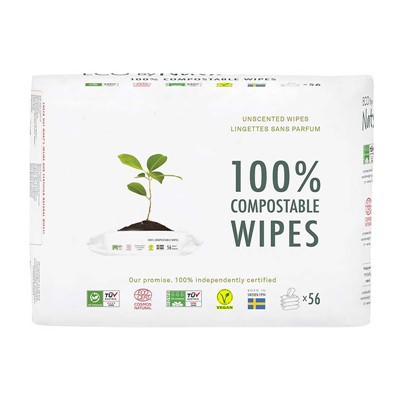
As for our company: we’re all about making eco-friendly products that actually work, no greenwashing, no overpromising. We know marble is a big investment, so we never want you to damage yours just because you wanna use a biodegradable wipe that’s good for the planet. If you’re a homeowner, a designer, or a cleaning service looking to stock biodegradable wipes that work on all surfaces (including marble, quartz, stainless steel, glass, and wood), hit us up—we can hook you up with bulk pricing, answer any specific questions about your countertops, and make sure you have everything you need to keep your home clean and eco-friendly.
Kitchen Wipes References:
- Stone Kitchen Associates. (2022). Marble Care 101: Avoiding Common Cleaning Mistakes.
- American Society for Testing and Materials. (2021). Standard Guide for Care and Maintenance of Natural Stone Surfaces.
- Journal of Natural Stone Industry. (2020). Effect of pH and Contact Time on Marble Etching by Aqueous Solutions.
- Biodegradable Product Testing Institute. (2023). Comparative Analysis of pH Levels in Plant-Based Wipes.
Shanghai Joy Crown Industry Co., Ltd.
As one of the most professional biodegradable wipes manufacturers and suppliers in China, our company have world-leading production equipment and strong manufacturing capabilities. Please feel free to buy high quality biodegradable wipes made in China here from our factory. Contact us for OEM service.
Address: No.55-56 Lane 21 Pu San Road, Pudong New Area, 200125 Shanghai, P.R.China.
E-mail: sales@joybiowipes.com
WebSite: https://www.joybiowipes.com/
