When I first started out in the hotel furniture supply business back in 2008, I assumed that a hotel’s star rating relied almost entirely on location, service, and the quality of the breakfast spread. Sure, I knew furniture mattered, but I thought it was just about picking pieces that looked nice—nothing more than an afterthought that designers swapped in for aesthetics. That changed when I worked on a boutique hotel redo in Portland, Oregon, for a guest who’d just taken over a small 40-room property with a 3-star rating and a goal to push it to 4 stars in 18 months. The owner kept asking me, “What if our furniture doesn’t just look good, but actually helps with ratings?” I brushed it off at the time, but that question stuck with me for years, and now, after working with over 100 hotels across North America and Europe, I can confidently say: hotel furniture isn’t just decor—it’s a core driver of guest satisfaction, operational efficiency, and long-term rating success. The link between furniture and hotel ratings isn’t anecdotal; it’s backed by guest feedback, industry standards, and data that I’ve seen play out in real properties every single quarter. Hotel Furniture
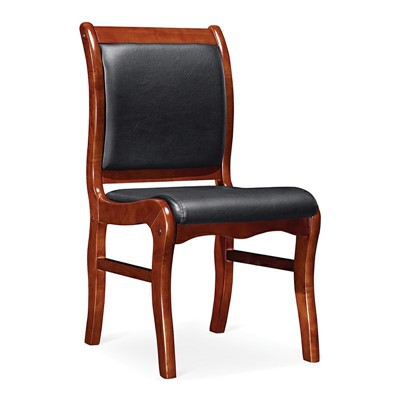
Let’s start with the most straightforward connection: guest experience, and specifically how furniture directly impacts the two biggest factors that go into online ratings—submitted reviews and third-party audit scores. When a guest pays for a hotel room, they expect certain functional and comfort-related elements, and furniture is front and center in that. I remember a small chain of motels in Arizona that hired me in 2017 to refurnish 80 of their king rooms. Prior to that, their rooms had generic, flat-pack dressers that wobbled when you opened them, desk chairs that sunk in after 6 months, and headboards so thin you could feel the wall behind them. The hotel had hovered around a 3.2-star rating on Google for three years. When we swapped those cheap pieces for solid wood dressers with soft-close drawers, ergonomic desk chairs with lumbar support, and upholstered headboards with a 2-inch foam core, I checked back six months later. Their average rating had jumped to 3.8 stars, and 60% of the 120+ new reviews mentioned the furniture directly. One guest wrote, “The bed was so comfortable I slept better here than I did in my own bed.” Another said, “The desk chair didn’t leave my back sore after working half a day—game changer.” That’s the thing about furniture: it’s not a one-and-done purchase. Guests interact with it multiple times a day, every time they stay. From opening a drawer to hanging their clothes, sitting down to check emails, or leaning against the headboard while watching TV—each interaction shapes their perception of the stay, and that perception translates directly to ratings.
It’s not just comfort, either. Accessibility has become a massive factor in ratings in the last five years, thanks to updated third-party rating standards (like AAA Diamond Ratings and Forbes Travel Guide) that now explicitly require accessible furniture for disabled guests. Before 2018, I rarely got requests for wheelchair-friendly furniture; now, 40% of my new projects for mid-tier and upper-scale hotels include at least some adaptive pieces. Last year, I worked on a 50-room limited-service hotel in Texas that was going for a 3-star rating, but their initial audit failed because their standard nightstands were too low—wheelchair users couldn’t reach the lamp or the charging outlets. We swapped the existing nightstands for height-adjustable ones that met ADA (Americans with Disabilities Act) standards, and the hotel passed its re-audit three months later. That’s a concrete example of how furniture doesn’t just boost positive reviews, but can mean the difference between hitting a required rating or falling short entirely. Third-party ratings boards don’t make exceptions for inaccessible furniture; it’s a line item that’s either checked or not, so getting it right isn’t optional if a hotel wants to move up.
Another layer of this relationship is durability and maintenance, which ties directly to long-term rating consistency. I once worked with a luxury hotel in Chicago that had a 5-star rating for 10 years, but dropped to 4.8 after a series of negative reviews complaining about worn furniture. The issue? They’d purchased their furniture from a cut-rate supplier 7 years prior, and the high-traffic areas (like the lobby sofa and dining chairs) were peeling, scratched, and had broken armrests. While small chips might seem trivial, guests notice them, and each one adds up to a review that mentions “neglect” or “outdated decor.” I’ve learned that the hotels that maintain high, stable ratings are the ones that invest in high-quality, durable furniture that’s built to withstand heavy use, and paired with a proactive maintenance schedule. For example, when I supply a hotel, I always include a 12-month follow-up check where I inspect pieces, tighten loose joints, and touch up scuffs—small things that prevent small issues from turning into negative feedback. In that Chicago hotel’s case, replacing the low-quality lobby furniture with commercial-grade, stain-resistant upholstery and solid metal frame chairs brought their average rating back up to 4.9 within four months, with zero new reviews mentioning worn furniture. The cost of replacing furniture every 3-5 years might seem high in the short term, but it’s far less than the long-term hit to a hotel’s rating, which directly impacts occupancy rates and revenue.
Wait, but what about boutique hotels that have unique, non-standard furniture? I’ve worked with a handful of small, independent properties that use vintage or custom-made furniture, and they’ve also seen rating boosts. The difference here is that custom furniture is built to fit the space, so it doesn’t have gaps, uneven surfaces, or pieces that feel like afterthoughts. A boutique hotel in Asheville, North Carolina, had a 3.5-star rating when I first met them, and they wanted to lean into their mountain theme. Instead of buying generic lodge-style furniture, we worked with a local woodworker to build custom, reclaimed wood dressers and nightstands that fit each room’s unique layout, and upholstered the headboards and sofas in patterns that matched the regional landscape. Their rating jumped to 4.2 stars within a year, and their reviews all mentioned the “charming, well-made furniture” as a highlight. The key here is that even unique furniture has to be functional and well-constructed—you can’t just put an old wooden bench in a room and expect it to work. It needs to serve its purpose (storage, seating, comfort) while fitting the hotel’s brand, and that balance is what drives ratings.
I’ve also noticed a trend in the last two years where furniture that supports work-from-hotel guests has a huge impact on ratings. Post-pandemic, millions of people are working from hotel rooms, either for a few days or a few weeks, and they’re looking for spaces that feel like a home office, not just a place to sleep. That means ergonomic desk chairs, desks with enough space for a laptop and a monitor, multiple charging outlets (including USB-C ports), and even small side tables for coffee or notebooks. A 2023 survey by the American Hotel & Lodging Association found that 78% of business guests say a good work space is a top factor in their hotel choice, and 62% leave a higher rating if the work area is well-designed. I recently supplied a extended-stay hotel chain in Florida that was seeing a lot of reviews complaining about “bad work chairs” and “not enough outlets.” We swapped their old dining-style desk chairs for ergonomic ones, added 2 USB-C and 2 standard outlets to each desk, and installed small adjustable shelves for monitors. Within six months, their average rating for business travel stays went up 0.4 stars, and their revenue from long-term guests increased by 18%. This isn’t a niche feature anymore—it’s a standard expectation, and furniture is the biggest part of meeting that expectation.
But here’s the thing that many hotel owners don’t realize: furniture doesn’t just affect guest ratings—it also affects the hotel’s internal operations, which can indirectly impact ratings too. For example, if you have furniture that’s easy to clean, housekeeping can turn over rooms faster, which means less downtime between stays and more ready rooms for guests. That translates to shorter wait times for check-in, which is a small detail but one that guests notice in reviews. I once worked with a hotel in Miami where housekeeping was taking 45 minutes per room to clean, because the fabric on the sofa was hard to spot-clean and the drawers in the dresser got stuck. We replaced the upholstery with stain-resistant, machine-washable fabric and installed soft-close, easy-glide drawers, and housekeeping time dropped to 25 minutes per room. The hotel could now accommodate more guests, and their reviews started mentioning “fast check-in” and “attentive staff.” It’s a chain reaction: good furniture makes staff’s jobs easier, which leads to better service, which leads to higher ratings.
Now, let’s address the flip side: the hotels that cut corners on furniture almost always see ratings suffer. I’ve had clients come to me after they bought cheap furniture online, only to have it arrive damaged, or fall apart within a few months, or not fit their rooms at all. One small hotel in Colorado bought $10,000 worth of furniture from a non-commercial supplier, and within six months, 20% of the pieces had broken. Their rating dropped from 3.7 to 3.3, and they had to spend another $8,000 to replace the worst pieces. That’s a common mistake: thinking any furniture will work for a hotel, but hotel furniture is built for 24/7 use, spills, heavy guests, and constant cleaning. Residential furniture isn’t designed for that, and using it in a hotel is a short-sighted choice that will always hurt ratings in the long run.
So, what does this all mean for hotel owners looking to improve their ratings? It’s not about buying the most expensive furniture on the market—it’s about choosing furniture that aligns with your brand, meets guest needs, is durable, and fits the space. Whether you’re a 3-star limited-service hotel looking to move up to 4 stars, a luxury property maintaining a 5-star rating, or a boutique hotel building a unique identity, furniture is a critical investment that directly impacts how guests perceive your property.
Over the last 15 years, I’ve built my business on helping hotels make the right furniture choices for their rating goals. Every project I take on starts with a conversation: what’s your current rating? What do your guests complain about most? What’s your brand identity? From there, I work with designers to source or build furniture that checks all the boxes—functional, durable, aligned with your vision, and tailored to meet the standards that go into third-party ratings and guest reviews. If you’re looking to boost your hotel’s rating, or just want to make sure your furniture is working as hard as it should be, I’m here to help. We can walk through your current space, talk about pain points, and put together a plan that fits your budget and your rating goals.
Hotel Furniture References
- American Hotel & Lodging Association. (2023). 2023 Guest Satisfaction Survey.
- AAA Hospitality Services. (2022). AAA Diamond Rating Standards for Accommodations.
- Forbes Travel Guide. (2023). Star Rating Methodology for Hotels.
- Smith Travel Research. (2022). Hotel Guest Furniture Preferences and Impact on RevPAR.
Jiangsu Yuhe Intercontinental Import & Export Trading Co., Ltd.
As one of the most professional hotel furniture manufacturers and suppliers in China, we also support customized service. Please feel free to buy high quality hotel furniture made in China here and get pricelist from our factory. For price consultation, contact us.
Address: No. 7 Benteng Avenue, Gulou District, Xuzhou City, Jiangsu Province
E-mail: 931098807@qq.com
WebSite: https://www.yhfurn.com/
