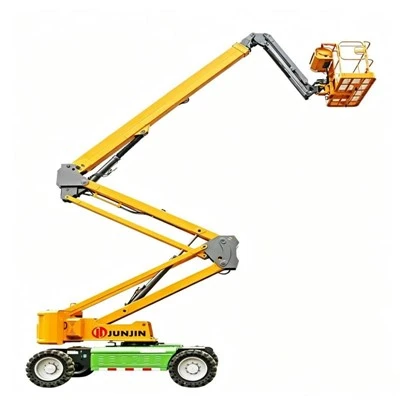
As a supplier of used boom lifts, I understand the critical importance of ensuring the safety and functionality of every piece of equipment we offer. One of the key components that significantly impacts the safety of boom lift operations is the platform gates. In this blog, I’m going to share in – depth knowledge on how to comprehensively check the platform gates of a used boom lift. Used Boom Lift
Understanding the Significance of Platform Gates
Before delving into the checking process, it’s crucial to comprehend why platform gates are so vital. Platform gates act as the first line of defense for operators working at elevated heights. They prevent accidental falls, safeguard against tool and material spills, and play a crucial role in maintaining a stable working environment within the platform. A malfunctioning or damaged gate can lead to severe safety hazards, including serious injury or even fatality.
Pre – inspection Preparations
Before starting the actual inspection of the platform gates, there are a few preparatory steps to take. First, gather all the necessary tools, such as a torque wrench, visual inspection mirror, and a flashlight. Make sure the boom lift is parked on a flat and stable surface, and the power is safely disconnected to avoid any accidental movement. Additionally, review the equipment’s manual to understand the specific design and operating principles of the platform gates for the particular model of the boom lift.
Visual Inspection
The initial and most straightforward step is a thorough visual inspection. Begin by examining the overall condition of the gate structure. Look for any signs of physical damage, such as cracks, dents, or deformation. Pay special attention to the welds, as they are critical for the gate’s structural integrity. Cracks in the welds can compromise the entire gate system, making it more susceptible to failure.
Check the gate hinges for any visible wear. Hinges that are loose or show excessive play can cause the gate to misalign or not close properly. Inspect the bolts and nuts that hold the hinges in place; they should be tight and free from corrosion. A corroded bolt can easily break under stress, causing the hinge to fail.
Examine the gate latching mechanism. The latch should engage smoothly and securely. Look for any signs of damage to the latch components, such as a broken spring or a bent catch. A faulty latching mechanism can lead to the gate accidentally opening during operation, putting the operator at risk.
Operational Testing
After the visual inspection, it’s time to conduct operational tests on the platform gates. Start by opening and closing the gate several times. The movement should be smooth, without any excessive force or sticking. If the gate is difficult to open or close, it could indicate a problem with the hinges, rollers, or the gate itself.
Check the self – closing feature of the gate. Most modern boom lifts are equipped with gates that automatically close when released. Ensure that this mechanism works properly, and the gate closes fully and securely each time. A gate that fails to close automatically can pose a significant safety risk.
Test the gate’s restraint system. If the boom lift has a secondary restraint, such as a chain or cable, make sure it is in good condition and that it functions as intended. The restraint should be able to hold the gate closed in case the primary latching mechanism fails.
Component – Specific Checks
Hinges
Hinges are the pivot points of the gate, and their proper functioning is essential. Use a torque wrench to check the tightness of the hinge bolts. Refer to the manufacturer’s specifications for the correct torque values. Over – tightened or under – tightened bolts can lead to premature wear or failure of the hinges.
Inspect the hinge pins for wear. Look for signs of scoring or excessive play. If the pins are worn, they may need to be replaced to ensure smooth operation of the gate. Lubricate the hinge pins and the moving parts of the hinges with an appropriate lubricant. This helps reduce friction and extends the lifespan of the hinges.
Latches
The latch is the gate’s locking mechanism. Check the latch bolt for smooth movement. It should slide in and out of the catch without any resistance. If the bolt is sticking, it could be due to dirt, debris, or corrosion. Clean the latch components thoroughly and apply a light coating of lubricant.
Inspect the latch catch to ensure that it is in good condition and aligns properly with the latch bolt. The catch should hold the bolt securely when the gate is closed. Test the latch’s strength by applying gentle pressure to the gate as if trying to open it while the latch is engaged. If the latch fails to hold, it needs to be repaired or replaced.
Gate Structure
Assess the gate’s frame for any signs of weakness. Check the cross – members and the vertical supports for bending or cracking. A weakened frame can compromise the gate’s ability to withstand the forces exerted on it during operation.
Examine the mesh or grating on the gate. If there are any holes, tears, or loose sections, they should be repaired or replaced. The mesh or grating provides a barrier to prevent objects from falling through the gate, so it must be in good condition.
Documentation and Record – Keeping
Once the inspection is complete, it’s essential to document the findings. Create a detailed report that includes the date of inspection, the condition of the platform gates, any issues identified, and the actions taken to address them. This documentation is not only useful for future reference but also for regulatory compliance.
Keep a record of all maintenance and repair work done on the platform gates. This record can help track the history of the gate’s performance and identify any recurring problems. It also provides valuable information for potential buyers, demonstrating that the boom lift has been well – maintained and safety – checked.
Importance of Regular Checks
Regular checks of the platform gates are not just a one – time requirement. They should be part of a comprehensive maintenance schedule for the used boom lift. Periodic inspections can detect early signs of wear and damage, allowing for timely repairs and preventing major safety issues.
As a used boom lift supplier, I always recommend to our customers that they continue to perform these checks regularly even after purchase. This not only ensures the safety of the operators but also extends the lifespan of the equipment.
Encouraging Purchase
If you’re in the market for a reliable used boom lift, ensuring the proper condition of the platform gates is just one aspect of our commitment to providing high – quality equipment. Our team of experienced technicians conducts thorough inspections on every boom lift we acquire, including detailed checks of the platform gates and all other critical components.
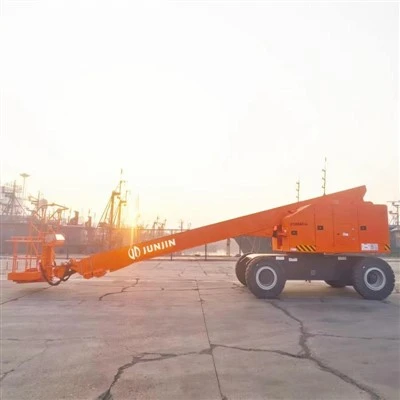
We understand that safety is your top priority, and we take every measure to ensure that the used boom lift you purchase meets the highest safety standards. Whether you’re involved in construction, maintenance, or any other industry that requires elevated work platforms, our used boom lifts are a cost – effective and reliable solution.
Scissor Lift If you’re interested in learning more about our used boom lift inventory or have any questions regarding the safety checks and maintenance of boom lifts, we’re here to assist you. Contact us to start a discussion about your specific requirements and to explore how our used boom lifts can meet your business needs.
References
- "Boom Lift Safety Manual" – General Safety Guidelines for Boom Lift Users.
- Manufacturer’s Technical Documentation for Common Boom Lift Models.
Yantai Quanrui International Trading Co., Ltd.
As one of the most reliable used boom lift manufacturers and suppliers in China, we’re featured by high quality customized products. Please rest assured to buy discount used boom lift made in China here from our factory. Contact us for pricelist and quotation.
Address: No. 278, Sanya Road, Gaotuan Town, Fushan District, Yantai City, Shandong Province, China
E-mail: Info@quanjin1588.com
WebSite: https://www.qr1588.com/
