Can the performance of a wood chipper and pellet mill be upgraded by replacing spare parts? Wood Chipper and Pellet Mill Spare Part
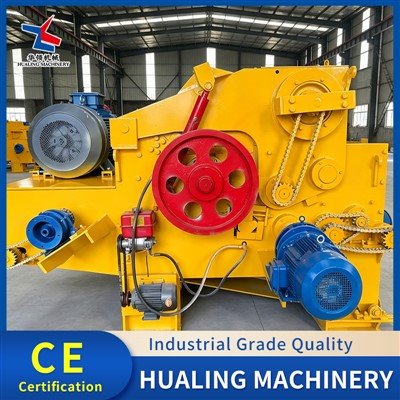
As a supplier of wood chipper and pellet mill spare parts, I’ve spent a significant amount of time observing the operations of these essential machines in the biomass and wood processing industries. A question that frequently arises among operators and business owners is whether the performance of wood chippers and pellet mills can be upgraded by replacing spare parts. The answer is a resounding yes, and in this blog, I’ll explain how.
Understanding the Basics of Wood Chippers and Pellet Mills
Before delving into how spare parts can enhance performance, it’s crucial to understand what these machines do. A wood chipper is a mechanical device designed to reduce wood, branches, and other woody materials into small chips. These chips can be used for various purposes, such as biomass fuel production, mulching, and paper manufacturing. On the other hand, a pellet mill compresses the wood chips or other biomass materials into dense pellets, which are an efficient and sustainable form of fuel.
The Role of Spare Parts in Performance Upgrades
Spare parts play a vital role in the performance of wood chippers and pellet mills. Over time, the components of these machines experience wear and tear due to continuous use, harsh operating conditions, and the nature of the materials being processed. When these parts start to deteriorate, the overall efficiency and productivity of the machines decline. By replacing worn – out spare parts with high – quality ones, operators can not only restore the machines to their original performance levels but also potentially upgrade them.
Wood Chippers
In wood chippers, several key spare parts can significantly impact performance when replaced.
- Cutting Blades: The cutting blades are the heart of a wood chipper. Dull or damaged blades can lead to inefficient cutting, longer processing times, and unevenly sized chips. By replacing old blades with sharp, high – quality ones, the chipper can cut through wood more easily and quickly, increasing the throughput rate. For example, a set of tungsten – carbide – tipped blades can provide a longer service life and better cutting performance compared to standard steel blades, especially when processing hard woods.
- Feed Rollers: Feed rollers are responsible for feeding the wood into the cutting chamber at a consistent rate. Worn – out feed rollers may slip or have irregular rotation, causing problems in the feeding process. Replacing the feed rollers with new ones ensures smooth and consistent feeding, which in turn improves the overall efficiency of the chipper.
- Bearings: Bearings support the rotating components of the wood chipper, such as the cutting shaft and feed roller shafts. Faulty bearings can cause excessive vibration, noise, and even damage to other parts of the machine. By replacing worn bearings with high – precision bearings, the chipper can operate more smoothly and with reduced risk of breakdowns.
Pellet Mills
In pellet mills, there are also several spare parts that can be replaced to upgrade performance.
- Die and Roller: The die and roller are the most critical components of a pellet mill. The die has small holes through which the biomass material is extruded to form pellets, and the roller presses the material against the die. Over time, the holes in the die can wear out, and the roller surface can become uneven. Replacing the old die and roller with new ones made from high – quality materials, such as alloy steel, can improve pellet quality, increase production capacity, and reduce energy consumption.
- Gearbox: The gearbox transfers power from the motor to the die and roller. A malfunctioning gearbox can result in inefficient power transmission, reduced pellet production, and increased maintenance costs. Upgrading to a more robust and efficient gearbox can improve the overall performance of the pellet mill and ensure reliable operation.
- Sensors: Modern pellet mills are often equipped with various sensors to monitor temperature, pressure, and other operating parameters. Faulty sensors can provide inaccurate information, leading to improper adjustments and sub – optimal performance. Replacing worn or malfunctioning sensors with new, accurate ones allows for better control of the pellet – making process, resulting in higher – quality pellets.
Case Studies
Let’s take a look at some real – world examples of how spare part replacement has upgraded the performance of wood chippers and pellet mills.
A small – scale wood processing company was experiencing slow processing times with their wood chipper. After inspecting the machine, it was found that the cutting blades were severely dull. The company replaced the old blades with a set of high – quality, sharp blades. As a result, the throughput of the wood chipper increased by 30%, and the quality of the wood chips improved significantly.
In another case, a biomass pellet production plant was facing issues with low – quality pellets and high energy consumption. The plant replaced the worn – out die and roller in their pellet mill with new ones made from a special alloy. This change not only improved the pellet density and quality but also reduced the energy required per ton of pellets produced by 20%.
Considerations When Replacing Spare Parts
While replacing spare parts can upgrade the performance of wood chippers and pellet mills, there are several considerations that operators need to keep in mind.
- Compatibility: It’s essential to ensure that the new spare parts are compatible with the existing machine. Different models and brands of wood chippers and pellet mills have specific requirements for spare parts. Using incompatible parts can lead to mechanical problems and may even void the machine’s warranty.
- Quality: The quality of the spare parts is crucial. High – quality parts may cost more initially but can provide better performance, longer service life, and lower maintenance costs in the long run. It’s advisable to source spare parts from reputable suppliers.
- Installation: Proper installation of the new spare parts is also important. Incorrect installation can lead to premature wear, breakdowns, and safety hazards. Operators should follow the manufacturer’s installation instructions or seek professional help if necessary.
Conclusion and Call to Action
In conclusion, the performance of wood chippers and pellet mills can definitely be upgraded by replacing spare parts. By identifying and replacing worn – out or malfunctioning components with high – quality alternatives, operators can improve efficiency, productivity, and the quality of the end products.
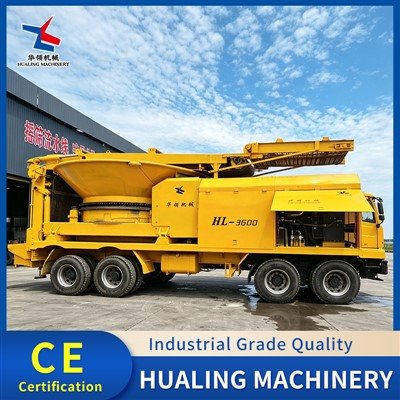
As a supplier of wood chipper and pellet mill spare parts, I am committed to providing the highest – quality products to meet the needs of my customers. Whether you are looking to upgrade the performance of your machines or simply replace a broken part, I have a wide range of spare parts available.
Wood Hammer Mill If you are interested in learning more about how our spare parts can upgrade your wood chipper or pellet mill, or if you want to discuss your specific requirements, I encourage you to reach out. Contact me for a free consultation and let’s work together to improve the performance of your biomass processing equipment.
References
- Biomass Pellet Handbook: Production and Use by Johann Baier
- Wood Chipping Machinery: Principles and Operation by Peter Hanson
- Engineering Handbook for Industrial Machinery Maintenance by Mark Thompson
Shandong Hualing Machine Manufacturing Co., Ltd.
As one of the most professional wood chipper and pellet mill spare part manufacturers and suppliers in China, we also support customized service with low price. Please rest assured to buy discount wood chipper and pellet mill spare part in stock here from our factory. If you have any enquiry about quotation, please feel free to email us.
Address: Industrial Park, Dagong Village, Changshan Town, Zouping City, Shandong Province
E-mail: hualing@sdhualing.com
WebSite: https://www.hualingmachine.com/
