Hey everyone, if you’ve ever wondered what kind of steel goes into building bridges that hold up for decades, heavy-duty construction equipment, or even parts for big ships that cross oceans, chances are good it’s HSLA steel plate. As a steel plate supplier, I get asked about this stuff all the time—most folks hear “high-strength low-alloy” and tune out like it’s textbook jargon, but trust me, it’s way simpler (and way more useful) than it sounds. Let’s break this down like we’re chatting over a coffee, no stuffy engineering terms required. Steel Plate
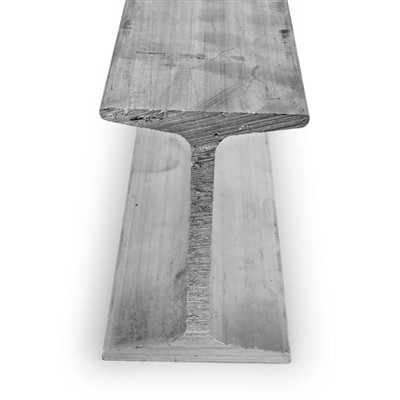
First off, let’s get the basics straight: HSLA stands for High-Strength Low-Alloy steel. Unlike regular carbon steel, which is mostly iron and a little bit of carbon to make it hard, HSLA adds tiny amounts of alloying elements—think things like copper, nickel, vanadium, or niobium—only 1-2% total, tops. That small tweak makes a huge difference. The big selling point? It’s way stronger than standard carbon steel, but it’s still lightweight. Why does that matter? Let’s say you’re building a bridge: if you use HSLA plate, you don’t need as thick of a plate to get the same strength, so the whole structure ends up lighter, which cuts down on material costs and makes construction easier. For heavy machinery, like an excavator arm, lighter parts mean the machine can move more load without straining itself, and it uses less fuel to boot.
A lot of people mix up HSLA with other steels, so let’s clear that up. It’s not the same as stainless steel, that’s for sure. Stainless steel is all about corrosion resistance (that’s why it’s used for utensils and sinks), and it has way more chromium, usually 10% or more. HSLA is about strength and durability, not rust protection—though some grades have a little extra copper to fight light corrosion, it’s not meant for sitting in saltwater nonstop like stainless. It’s also different from tool steel, which is super hard for things like drill bits and dies, but way more brittle. HSLA balances strength and toughness, so it can handle impact and stress without cracking.
Now, how is HSLA plate made? The process is pretty cool, and it’s part of what gives it those extra properties. First, you melt the iron ore and add those small alloying elements I mentioned earlier. Then, instead of just cooling it the same way as carbon steel, HSLA goes through special rolling processes—like hot rolling or cold rolling, depending on the grade. Wait, hot vs cold? Let’s keep it simple: hot rolling is done at super high temps (way above where steel melts) so it’s easier to shape into plates, and it gives HSLA that core strength. Cold rolling happens at room temp, which makes the surface smoother and a little stronger, mostly used for thinner plates. Some HSLA grades also get a heat treatment after rolling, like quenching and tempering, to make them even tougher—good for things that take a lot of repeated stress, like truck frames or railroad cars.
Here’s the part I love as a supplier: HSLA plate is used in so many places you probably don’t even notice. Let’s list the common uses, because that’s where people connect the dots. Construction is the biggest one: bridge beams, building frames, scaffolding, even highway guardrails. Guardrails made of HSLA don’t bend or break as bad when a car hits them, right? That’s a safety win. Then there’s transportation: semi-truck trailers, train cars, ship hulls, and even parts for airplanes (though aviation uses some other specialty steels too, but HSLA is huge for ground transport). Heavy equipment: bulldozer blades, excavator buckets, cranes. Oh, and energy! Wind turbine towers, oil and gas pipelines, solar panel mounting racks—all of those use HSLA because they need to be strong enough to hold big loads, last outside in all weather, and not weigh so much that the whole structure is inefficient.
Wait, a lot of customers ask me: is HSLA plate more expensive than regular carbon steel? Short answer: yes, upfront, but not when you factor in the long run. Let’s do a quick example. If you need a 10-foot beam that can hold 10,000 pounds, regular carbon steel might need to be 2 inches thick. HSLA? Only 1 inch thick. So even if HSLA costs 20% more per pound, you’re using half the material, so total cost is lower. Plus, HSLA is more resistant to wear and tear, so it lasts longer. That means less maintenance, fewer replacements, way better ROI. I’ve had contractors tell me they saved tens of thousands of dollars on a bridge project just by switching to HSLA instead of carbon steel, even with the higher initial cost.
Now, not all HSLA plate is the same. That’s another thing I tell every new customer—you can’t just order “HSLA steel” and call it a day. There are different grades, each made for specific jobs. Let’s name the most common ones so you know what to ask for. HSLA-65 is one of the most popular, it has a minimum yield strength of 65,000 psi (psi is just how much stress it can take before bending). That’s perfect for truck frames and heavy equipment parts. Then there’s HSLA-50, a little less strong, great for general construction and guardrails. If you need something for corrosive environments, like near the ocean, there’s weathering HSLA grades—like Corten, wait, hold on, Corten is technically a type of HSLA! That’s why it doesn’t need painting for years, it forms a protective rust layer. I’ve sent a ton of Corten plate for outdoor art installations and building facades, it looks industrial but holds up way longer than regular steel. There are also higher grades, like HSLA-100, for super heavy duty stuff like oil rigs or military vehicles.
A common mistake I see new guys make is not checking the specs. For example, if you use HSLA-50 for a wind turbine tower, that’s not enough—you need the 80,000 psi grade for that. Or if you order a cold-rolled HSLA for a part that’s going to be exposed to high heat, hot-rolled is way better, because cold-rolled is more brittle at high temps. That’s why I always ask customers a bunch of questions before I quote them: what’s the part going to be used for? What’s the environment like? How thick do you need it? Do you need it welded? Wait, welding! Another big one—HSLA can be welded, but you can’t just use any old welding rod. You have to use rods that match the alloy content, otherwise the weld will be weaker than the plate itself. I always give a little tip for that—tell your welder to preheat the plate if it’s a thick grade, that prevents cracking. It’s a small step, but it makes a huge difference in how the part holds up.
Now, let’s talk about why I, as a steel plate supplier, care so much about HSLA. This stuff is the backbone of modern infrastructure. Every time you drive over a bridge, get on a semi, see a wind farm, that’s HSLA doing the heavy lifting. It’s a steel that’s smart—using small amounts of alloy to get big results, which fits perfectly with the push for more sustainable construction and manufacturing these days. People are always talking about going green, and HSLA helps that because it cuts down on material use, reduces fuel use for transport (since it’s lighter), and lasts longer so you don’t have to replace things as often.
I get calls every week from people who didn’t know HSLA even existed. They’d been using regular carbon steel for years, paying more for more material, dealing with parts bending or rusting too fast, and when I explain HSLA, it clicks. Last month, a guy building custom horse trailers called me, frustrated because his trailer frames were bending after a year on the road. We switched him to HSLA-50 plate, and he told me a few months later that his trailers are way stiffer, he’s gotten fewer complaints, and he even used less steel on each one so his production costs went down. That’s the win we love as suppliers—solving real problems with a product that works.
Wait, let’s bust one more myth: some folks think high-strength steel is super hard to work with. Nah, HSLA is actually pretty easy to cut, weld, and form, as long as you use the right tools and processes. I’ve had customers cut it with regular plasma cutters, bend it in standard press brakes—no fancy equipment needed. The only thing you have to watch is that if you’re working with a higher grade, like HSLA-80, you might need a heavier press brake because it’s thicker and stronger, but that’s just common sense, not some special trick.
So, to wrap this up, what is HSLA steel plate? It’s a smart steel—engineered to be stronger, lighter, and more durable than regular carbon steel, with just a tiny bit of alloy to make it work. It’s used everywhere from bridges to trucks to wind turbines, it saves money in the long run, and it’s a key part of building things that last without wasting extra material.

If you’re working on a project right now—whether it’s a small custom part, a big construction job, or anything in between—and you’re wondering if HSLA plate is the right fit, hit me up to chat. I don’t do one-size-fits-all quotes, I ask about your needs, walk you through the different grades, and make sure you get exactly what you need without overpaying for something too strong or not strong enough. No salesy jargon, just straight answers and good steel that gets the job done.
Forged High-pressure Threaded Fittings References
ASM International. (2019). HSLA Steels. Materials Park, OH: ASM International.
World Steel Association. (2021). High-Strength Low-Alloy Steels: Properties and Applications. Brussels, Belgium: World Steel Association.
Nucor Corporation. (2022). HSLA Plate Grades: A Guide for Manufacturers and Builders. Charlotte, NC: Nucor Corporation.
Shanxi Midas Industrial Co., Ltd.
We’re known as one of the most professional steel plate manufacturers and suppliers in China. With abundant experience, we warmly welcome you to buy cheap steel plate made in China here from our factory. For price consultation, contact us.
Address: 28th, Huanqiu Jinrong Zhongxin, Xieyuan Road, Changfeng Business District, Taiyuan City, Shanxi Province, China
E-mail: midassteel@163.com
WebSite: https://www.midassteel.com/
