If you’ve been in the market for wardrobe doors, you’ve probably noticed that metal is everywhere right now. Sleek, industrial, and modern, it seems like the go-to pick for folks wanting a minimalist vibe in their bedrooms. But here’s the thing – as someone who’s supplied wardrobe doors for over a decade, I’ve seen firsthand how metal sounds great on paper, but it comes with a ton of hidden drawbacks that most homeowners don’t think about until after installation. Today, I’m breaking down the real limitations of using metal for wardrobe doors, from the practical stuff you’ll deal with day-to-day to the structural issues that can cost you big down the line. And yeah, I’m not here to bash metal – it has its place – but if you’re weighing it against wood, MDF, or even glass, you need to know the full story before you drop the cash. Wardrobe Door
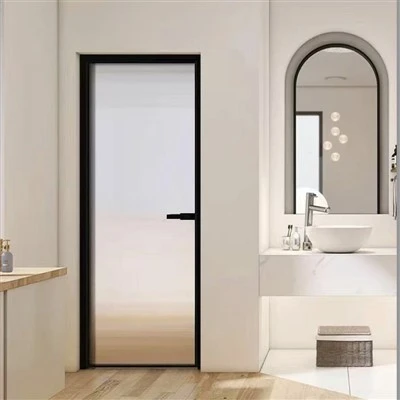
Let’s start with the most obvious one: temperature and humidity sensitivity. Metal is a conductor, right? It doesn’t insulate like other materials. So if you live somewhere with extreme seasons, those wardrobe doors will absorb heat from the sun streaming through your bedroom window, making the inside of your closet way warmer than the rest of the room. That’s not a big deal in winter, but in summer, you’ll be breathing in stuffy, hot air every time you open your closet. Even worse, if you’re in a humid climate (think the Southeast U.S., or places with monsoon seasons), metal can react with moisture. Sure, aluminum is rust-resistant, but steel? Total ticking time bomb. I’ve had customers call me at 2 a.m. because their metal wardrobe door swelled up and wouldn’t close – turns out the steel panel was picking up moisture from a leaky window above the closet, and within six months, it had started to corrode around the edges. Even aluminum, while tough, can get dull and spotty over time if it’s exposed to consistent humidity, especially if you live in a basement apartment where ventilation’s garbage. Compare that to a solid wood door, which actually handles humidity way better because it absorbs moisture gradually and expands evenly, not in lumpy, ugly spots.
Next up: noise. Metal is super rigid, which means it doesn’t muffle sound – it amplifies it. If you have kids running around, a partner who works late and uses the closet at 10 p.m., or even just a roommate who blasts music, metal doors are going to make every little tap, slide, and swing echo through your bedroom. I once had a customer tell me they had to put a foam mat behind their metal wardrobe door just so they could sleep through their partner’s morning routine. That’s not a solution; that’s a band-aid. Other wardrobe door materials, like MDF with a veneer finish, are naturally quieter because they’re denser but more flexible, so they absorb vibration instead of reflecting it. For anyone who values a quiet bedroom (and let’s be real, who doesn’t?), metal’s noise factor is a major headache most people don’t consider until it’s too late.
Then there’s maintenance. Metal looks sleek when it’s new, but it shows every single smudge, fingerprint, and scratch. Even stainless steel, which is marketed as “low-maintenance,” isn’t. I’ve had customers come back saying their brand new metal wardrobe door had a streak on it after one week – just from their hands touching it while hanging up clothes. You can wipe it down with a cloth, but fingerprints leave a permanent (or semi-permanent) mark unless you use specific metal cleaners, and even then, it takes extra effort. Scratches? If you’re moving a hanger, or a vacuum cleaner bumps the door, you’ll have a tiny mark that will stand out like a sore thumb. With wood, you can sand a small scratch out and re-stain it in 10 minutes. With metal? You’re either paying a professional to buff it out (which costs way more than a DIY fix) or living with a blemish that gets bigger over time. And don’t get me started on dust – metal attracts static electricity, so dust sticks to it way more than it does to other materials. If you have allergies, you’ll be wiping your metal wardrobe door every single day, no exceptions. I’ve had customers switch to wood doors after six months because they were sick of dusting their wardrobe door like it was a mirror every morning.
Weight is another big one, especially if you’re doing a custom installation. Metal doors are way heavier than most other options – a standard 60-inch metal wardrobe door can weigh twice as much as a wood door of the same size. That might not sound like a big deal, but it means your wardrobe hinges have to be heavy-duty, and your frame has to be reinforced to support that weight. If you skip the heavy-duty hinges, the door will sag within a year – I’ve seen it happen dozens of times. Sagging doors don’t just look bad; they’re a safety hazard, too. If the door falls off the frame while you’re pulling out a jacket, that could leave a bruise or worse. Also, if you’re renting your home, most landlords won’t let you install reinforced frames because it involves modifying the walls. So you’ll either have to go cheap on hinges and deal with a sagging door, or you’ll have to leave the door bare once you move – which is a waste of money. Wood doors, on the other hand, are lightweight, so regular hinges work just fine, and you don’t need to reinforce anything. For renters or anyone who doesn’t want to deal with structural modifications, that’s a huge plus.
Wait, let’s talk about design flexibility, too. A lot of people love metal for its modern look, but the custom options are super limited. If you want a curved wardrobe door, or a door with a carved detail, metal can do it, but it’s way more expensive and takes way longer to manufacture. I once had a customer who wanted a custom metal wardrobe door with a little cutout for a neon light – the quote came back three times higher than a similar wood door, and the lead time was 12 weeks instead of 2. Wood doors, meanwhile, can be stained any color, painted, carved, or cut into any shape without breaking the bank. Even glass wardrobe doors (if you want that sleek look) are cheaper to customize than metal. Also, metal doors don’t pair well with warm decor. If you have a bedroom with wooden furniture, a wool rug, or warm lighting, a metal door will stick out like a cold, industrial eye-sore. It works great for minimalist, industrial, or scandinavian decor, but if you’re going for a cozy, bohemian, or traditional vibe, metal just doesn’t fit. Most people don’t realize that until they install the door, and then they’re stuck with a style clash they can’t fix easily.
Oh, and one more thing – the environmental impact. I know metal is recyclable, but the manufacturing process for metal wardrobe doors uses a ton of energy. Most metal doors are made from raw steel or aluminum, which requires mining and smelting – two processes that are terrible for the environment. Wood doors, especially if they’re FSC-certified, have a way lower carbon footprint. Even MDF, which is made from wood waste, is better than metal when it comes to sustainability. Don’t get me wrong, I’m all for recycling, but if you’re looking for an eco-friendly wardrobe door, metal is not the way to go. I’ve had customers ask about this a lot lately, and I always tell them to check the lifecycle impact before they choose metal – it’s not as green as it seems.
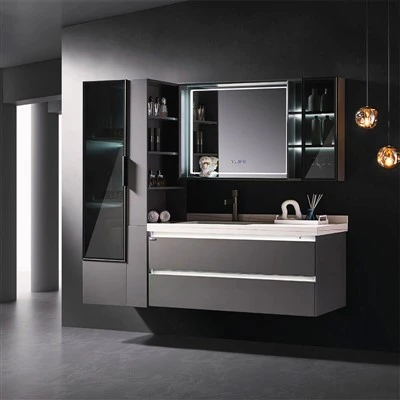
Now, I’m not here to say metal is totally useless. If you’re in a rental, you want a super affordable temporary option, or you love that cold, industrial vibe for a small closet, metal can work. But for most people – homeowners, people building custom closets, anyone who wants something that lasts 10+ years – metal has way too many drawbacks. And that’s where I come in. As a wardrobe door supplier, I’ve worked with thousands of customers, and I’ve seen which materials work best for different needs. If you’re tired of dealing with smudges, sagging doors, or high maintenance, or if you’re not sure which door is right for your space, we can help you pick the perfect option – whether that’s wood, MDF, glass, or a hybrid mix. We do custom sizes, fast lead times, and we’ll walk you through every step of the process, from measuring your closet to picking the right finish. No pressure, no weird up-sells, just straight-up advice based on what actually works for your home. If you’re ready to stop dealing with wardrobe door headaches and get a door that fits your space and your lifestyle, reach out to us to connect for a procurement chat. We’re here to answer all your questions and help you find the right solution for your needs.
Cabinet Body REFERENCES
- National Association of Home Builders. "Material Durability and Home Maintenance: A Comparative Analysis of Wardrobe Door Materials." 2022.
- Journal of Architectural Engineering. "Thermal Conductivity of Interior Building Materials and Impact on Indoor Climate." 2021.
- Home Innovation Research Labs. "Noise Reduction Properties of Residential Closet Door Materials." 2023.
- Environmental Protection Agency. "Lifecycle Carbon Footprint of Building Materials for Residential Interiors." 2022.
Tengzhou Jingsheng Home Furnishing Co., Ltd.
As one of the most experienced wardrobe door manufacturers and suppliers in China, we also support customized service. Please feel free to buy high quality wardrobe door in stock here from our factory. For quotation and free sample, contact us now.
Address: Zhanglou Village, Hongxu Town, Tengzhou City, Zaozhuang City, Shandong Province
E-mail: 15554379297@163.com
WebSite: https://www.jingshenghome.com/
