If you’ve ever relied on perishable goods transport—whether for grocery chains, pharmaceutical distributors, or craft bakeries—you know a refrigerator truck isn’t just another vehicle. It’s a precision piece of equipment that keeps cargo safe, compliant, and on schedule. As a refrigerator truck supplier who’s worked with fleet managers and independent operators for over a decade, I’ve seen firsthand how skipping proper maintenance turns a routine delivery into a costly disaster: spoilt $10,000 worth of fresh produce, missed a pharmaceutical shipment deadline, or a roadside breakdown that leaves a truck stranded for 12+ hours. The good news? Most of these issues are preventable with a structured, maintenance-focused routine that doesn’t have to be overwhelming. Refrigerator Truck
Let’s break down the non-negotiable maintenance requirements for refrigerator trucks, organized by frequency and purpose, so you can protect your investment without guesswork.
First, there’s the core of the refrigeration unit: the evaporator, condenser, and compressor. These three components work in tandem to keep the interior temperature consistent, and a single small issue here can throw off the entire system. For evaporator coils, which pull heat out of the cargo hold, buildup of frost is the number one enemy. Refrigeration units are designed to defrost automatically, but if that defrost cycle fails—from a broken timer, faulty heating element, or clogged drain pan—frost can block air flow, reducing cooling efficiency by 30% or more in just a week. I once worked with a small produce fleet owner who ignored a minor defrost issue; by the time he noticed, frost had formed a 2-inch thick layer that forced his unit to run nonstop, burning through an extra 15 gallons of fuel on a single cross-state run. The fix cost a fraction of the wasted fuel, but the spoiled lettuce was a $8,000 loss he never wanted to repeat.
Condenser coils, on the other hand, are mounted on the exterior of the truck, and they’re exposed to road grime, dust, and insect debris. A layer of dirt here acts like an insulator, so the compressor has to work harder to maintain temperature, leading to higher wear and premature failure. I tell all my customers to inspect condenser coils before every long trip—even a quick delivery route through a construction zone can leave enough debris to cause issues. If you see a buildup, use a soft brush or low-pressure water spray (never a pressure washer, which can damage the coil fins) to clear it. For deeper cleans, a mild coil cleaner is safe, just make sure to let it dry completely before turning the unit back on.
The compressor is the workhorse of the refrigeration system, and it’s most sensitive to lubrication and pressure levels. Unlike a standard engine, refrigeration compressors rely on a specific type of oil that needs to be checked and topped off regularly. Most modern units have a sight glass, which makes this easy: if the oil level is below the recommended line, top it off with the exact oil type specified by the manufacturer. Skipping this step can cause the compressor to seize up, a repair that often costs $5,000 or more. We also recommend checking the high and low pressure gauges on the compressor at least once a month; abnormal readings can signal a leak in the refrigerant line, which is a common, fixable issue if caught early.
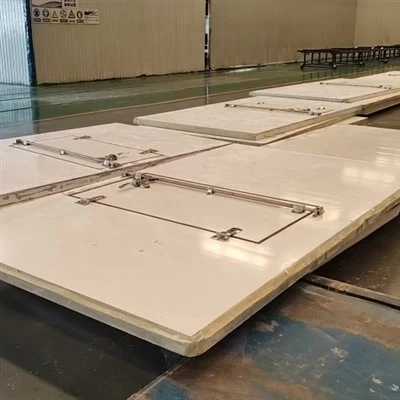
Next, the cargo hold itself is often overlooked, but it’s where all the action happens. The walls, floor, and ceiling are insulated to maintain temperature, and any damage here is a direct hit to efficiency. Small tears in the inner liner, gaps around door seals, or cracked insulation can let warm air seep in, forcing the refrigeration unit to run longer and work harder. I always advise customers to do a quick “air leak test” once a month: close the doors, turn off the unit, and hold a smoke stick (or even a lit candle, safely placed) near door seals. If the smoke is pulled into the cargo hold, there’s a gap that needs sealing. For minor gaps, weatherstripping is easy to replace; larger damage should be repaired by a professional, as poorly done insulation repairs can lead to moisture buildup that causes mold—another big problem for food and pharmaceutical cargo.
Moisture control is closely tied to cargo hold maintenance. Excess moisture can not only damage insulation but also create mold or mildew, which is a health hazard for perishable goods. The drain pan under the evaporator is where condensation collects, and if it clogs with dirt or debris, water can back up into the cargo hold. We recommend emptying and cleaning the drain pan every two weeks, and checking the drain line to make sure it’s clear. In areas with high humidity, this should be done weekly. I had a customer who used his refrigeration truck for flower transport; he neglected the drain, and over time, the clog caused mold to grow on the flower roots, ruining a $6,000 order just before a major holiday. It was a avoidable mistake, and it made him a convert to our regular maintenance check service.
Now, moving beyond the refrigeration system to the truck’s general mechanical and electrical components, which are just as critical. The battery is often a surprise culprit: refrigeration units draw power even when the truck’s engine is off, and a weak battery can die mid-delivery, leaving you with no cooling. We recommend testing the battery’s charge every month, and replacing it every 3 years—sooner if you frequently run the unit without the engine on. Alternators, which keep the battery charged while the engine runs, should also be checked; a faulty alternator can lead to intermittent power issues that are hard to diagnose.
Tires are another often-overlooked part of refrigeration truck maintenance, but they affect both safety and efficiency. Underinflated tires increase fuel consumption by up to 10%, and they can also throw the truck’s alignment off, leading to uneven wear. For refrigeration trucks, which are often carrying heavy, perishable loads, tire pressure should be checked before every trip, and tread depth should be inspected monthly. I tell customers to replace tires when tread is below 4/32 of an inch; not only is this required by law in most states, but bald tires are far more likely to fail on long hauls, stranding both the truck and its cargo.
Brake maintenance is non-negotiable, too, especially for refrigeration trucks, which are heavier than standard delivery vehicles due to the insulation and refrigeration unit. We recommend having brakes inspected every 6 months, or every 10,000 miles—whichever comes first. Worn brake pads or rotors not only pose a safety risk but can also lead to costly repairs if left unaddressed. I once had a customer who skipped brake inspections, and his truck’s brake caliper seized up on a highway, causing a crash that totaled the truck and spoiled $12,000 worth of seafood. It’s a reminder that maintenance isn’t just about preserving the refrigeration system—it’s about keeping the entire vehicle safe.
For regular maintenance, we’ve found that a structured schedule works best. A daily pre-trip inspection should take no more than 10 minutes, and it should include checking door seals, condenser coil debris, drain pan level, battery charge, and tire pressure. A weekly inspection adds checking refrigerant levels, oil in the compressor, and tire tread, plus wiping down the cargo hold to remove any debris that could cause mold. Monthly inspections include testing high and low pressure gauges, inspecting insulation for damage, and testing the defrost cycle. Every 6 months, a certified technician should do a full tune-up, including cleaning the condenser coils, checking the compressor’s lubrication, and testing the electrical system.
But here’s the thing: maintenance doesn’t have to be a chore, and it doesn’t have to come with huge costs. As a supplier, we’ve partnered with fleet operators to create maintenance plans that fit their budget, and we offer flexible service options—from in-shop repairs to mobile technicians who can come to the truck’s location. We also provide free maintenance checklists for new customers, so they can stay on track without guessing.
If you’re new to operating a refrigeration truck, or if you’ve been dealing with recurring issues that you can’t fix on your own, reach out to our team. We work with small business owners, large fleets, and everyone in between, and we can help you create a maintenance plan that keeps your cargo safe, your costs low, and your deliveries on time. We also offer truck sales and parts support, so if you’re in the market for a reliable refrigeration truck, we have options to fit your needs.

Don’t wait until a small issue becomes a big problem. Take 10 minutes today to check your truck’s door seals or condenser coils—it could save you thousands in spoilage and repairs down the line. Reach out to our team to learn more about our maintenance plans, and let’s make sure your refrigeration truck is ready for every delivery.
Truck Body References:
- Transport Refrigeration Equipment Maintenance Best Practices, North American Council for Freight Efficiency
- Commercial Vehicle Refrigeration Unit Component Care, American Trucking Associations
- Tire Maintenance Guidelines for Heavy-Duty Delivery Vehicles, Rubber Manufacturers Association
- Cargo Hold Insulation and Moisture Control for Perishable Transport, International Food Protection Association
Hebei Three Sworn Brothers Special Purpose Vehicle Co., Ltd.
We are one of the most professional refrigerator truck manufacturers and suppliers in China, featured by quality products and good price. Please rest assured to wholesale durable refrigerator truck for sale here from our factory. Welcome to view our website for more information.
Address: No.19,Taihang South Road, Economic Development Zone,Qinghe County, Hebei Province
E-mail: miaj@cnreeferbox.com
WebSite: https://www.cnreeferboxes.com/
