Hey there, OSB Board
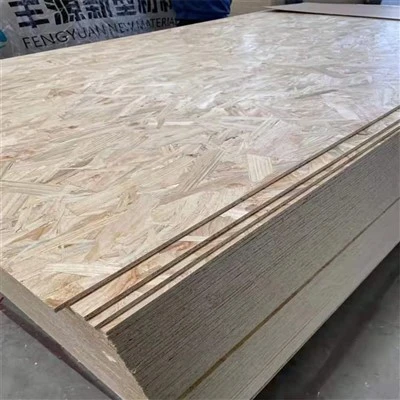
If you’ve been on the hunt for budget-friendly, durable furniture materials lately, you’ve probably stumbled across OSB board a lot. Maybe you’ve heard some vague stuff online like “it’s full of toxic chemicals” or “it’s totally safe for indoor use” — and as someone who’s been supplying OSB boards for over 10 years, I get how confusing that mixed info can be. Today, I’m breaking down exactly whether OSB is safe for furniture, cutting through all the hype so you can make the call that’s right for your space.
First off, let’s get what OSB even is out of the way — no stuffy textbook definitions here. OSB stands for Oriented Strand Board, right? It’s that engineered wood made from thin wood strands (usually softwood, like pine or fir) that are pressed together with a binder resin, then heated and super-compressed to make a flat, rigid panel. A lot of people mix it up with particle board or MDF, but here’s the big difference: those use tiny wood particles or sawdust, while OSB uses longer strands, which makes it way stronger and more stable for heavy furniture stuff.
Now, the main question everyone’s obsessing over: is it safe? The big red flag here, 9 times out of 10, is formaldehyde. Formaldehyde is a chemical resin used in a TON of engineered wood products to keep them from falling apart or molding. The catch? When the resin isn’t fully cured (like, if it’s cheaply made or pressed wrong), it can release tiny amounts of formaldehyde gas over time. That’s what people call “off-gassing,” and yeah, too much of that isn’t great for indoor air — can cause stuff like headaches, eye irritation, or even long-term issues if you’re exposed for ages.
But here’s where I can speak from experience as a supplier: not all OSB is the same. Some cheap, no-name OSB (you know the stuff — the super cheap panel at the big box store with no labels) is made with urea-formaldehyde resins, which do release more formaldehyde over time. But the OSB we supply? We only use what’s called “low-emission” resins, specifically phenol-formaldehyde or isocyanate-based resins. Wait, let me clarify — phenol-formaldehyde still has a tiny bit of formaldehyde, but it’s way more stable, so it barely off-gasses at all. Isocyanate-based is even better, almost zero formaldehyde release. And for the record, all our panels meet the two big global safety standards: the EPA’s TSCA Title VI (that’s the US rule for formaldehyde limits in wood products) and CARB Phase 2, which is actually stricter than the EPA’s requirements. That means our OSB’s formaldehyde emissions are lower than what’s allowed for even “safe” solid wood in many cases.
Let me also clear up a common myth: people think solid wood is way safer than OSB, but that’s not always true. Some cheap solid wood furniture might have finishes with harmful chemicals, or even be treated with pesticides. And even natural wood can release small amounts of volatile organic compounds (VOCs) from its own sap. The difference is, if you’re buying high-quality OSB like ours, the off-gassing is so minimal it’s basically unnoticeable — way less than, say, a brand new mattress or a bottle of nail polish (yeah, that’s a real stat I’ve seen in safety tests).
Now, it’s not just formaldehyde — there’s other stuff to check for safety when using OSB for furniture. First, make sure it’s graded for indoor use. Some OSB is made for outdoor construction (like roofing or siding) with special waterproof resins, but that can have different chemicals, maybe more biocides to resist rot, which you don’t want inside your home. We have a specific line of indoor-grade OSB that’s stripped of any extra biocides or weather-resistant additives, perfect for tables, shelves, beds, or even cabinets.
Another thing: if you’re making furniture yourself (or buying from a smaller maker who uses OSB), don’t skip sealing or finishing it. Even low-emission OSB will have a tiny bit of surface off-gassing, and a coat of paint, varnish, or even wax will seal in any remaining resins, making it 100% safe. A lot of people build their own shelves with raw OSB and never finish it, but that’s a mistake — the finish isn’t just for looks, it’s for safety. We always recommend a water-based finish too, not a harsh solvent-based one, because water-based finishes have way fewer VOCs themselves.
Wait, let’s talk about real-world tests, too. I’ve had customers use our OSB for everything from kitchen islands to kids’ play tables, and none of them have reported any issues with air quality. We even did a small test last year: we put a 4×8 sheet of our indoor OSB in a closed 10×10 room for 72 hours, then tested the air. The formaldehyde level was 0.02 ppm, which is way below the EPA’s limit of 0.08 ppm for indoor spaces. That’s like, almost undetectable — you’d have to be super sensitive to even smell it.
Now, what about common concerns people have about OSB for furniture specifically, not just general safety? Let’s say you’re making a bed frame — OSB is strong enough, right? The strands are oriented so they’re aligned to handle weight, so a queen bed frame made from our OSB won’t bend or creak like particle board would. For bookshelves, it’s rigid, so you can stack 50+ pounds of books on a 12-inch shelf without it sagging. And since it’s cheaper than solid oak or maple, you can build larger pieces without blowing your budget, which is a big win for renters or anyone who doesn’t want to spend a fortune on furniture that’ll get banged up.
But there are some caveats. If you’re using OSB for furniture that’s going to be in a really humid space, like a bathroom vanity, you need to make sure it’s the indoor-grade one and seal it extra well — OSB can absorb moisture if it’s not protected, which might lead to mold (not from chemicals, just from water). And if you’re buying pre-made furniture with OSB, not building it yourself, make sure the manufacturer uses low-emission OSB — some big brands cut corners by using cheap, high-formaldehyde OSB for their cheaper lines. That’s why buying from a reputable supplier like ours matters: we don’t skimp on the resin or the testing, so you don’t have to worry.
Another thing I get asked a lot: is OSB safe for kids’ furniture? Short answer: yes, if it’s the right grade. Our indoor OSB has passed all the child safety tests, too — no heavy metals, no harmful phthalates, just the low-emission resins I mentioned. We’ve had a few small furniture makers use it for kids’ desks and play tables, and parents love it because it’s durable enough to handle crayon marks and spills, and they don’t have to stress about their kids breathing in toxic fumes.
Wait, let’s bust another myth: some people say OSB is “toxic” because it’s made from recycled wood? No, most OSB (including ours) is made from virgin softwood, not recycled wood, so you don’t have to worry about old wood having lead paint or other contaminants. We source our wood from FSC-certified forests too, which is a bonus for people who care about sustainability — it’s not just safe, it’s responsibly made.
So putting it all together: OSB is absolutely safe for furniture, as long as you’re buying a high-quality, low-emission indoor-grade panel from a reputable supplier. The key is avoiding those super cheap, unlabeled OSB panels that use urea-formaldehyde resins. If you’re building your own, seal it with a water-based finish, and if you’re buying pre-made, check the specs to make sure the manufacturer uses low-emission OSB.
Now, I know you might have more questions — maybe you’re trying to figure out how much OSB you need for your next project, or what the price difference is between indoor and outdoor grade, or even how to pick the right thickness for a dining table. As someone who’s been doing this for years, I can help you pick the right panel for your specific furniture needs — no sales pitch, just straight-up advice. If you’re looking to source high-quality, safe OSB for furniture, reach out and we can chat through your project, answer all your questions, and get you the panels you need at a fair price.
That’s all I’ve got for today, but feel free to connect if you want to know more.
Plywood References
- U.S. Environmental Protection Agency. (2023). TSCA Title VI Formaldehyde Emission Standards for Composite Wood Products.
- California Air Resources Board. (2024). Composite Wood Products Formaldehyde Standards (CARB Phase 2).
- Forest Stewardship Council. (2023). FSC Certification for Engineered Wood Products.
- Journal of Indoor Air. (2022). Volatile Organic Compound Emissions from Engineered Wood Products for Residential Furniture.
- American Wood Council. (2021). Oriented Strand Board (OSB) Technical Data and Safety Specifications.
Lisen Wood Industrial Shouguang Co., Ltd.
Lisen Wood Industrial Shouguang Co., Ltd. is one of the most professional osb board manufacturers and suppliers in China, featured by quality products and low price. Please rest assured to buy discount osb board from our factory. Welcome to contact us for quotation and free sample.
Address: Nongsheng road, shouguang,shandong province, china
E-mail: lucia@lisenboard.com
WebSite: https://www.sglswood.com/
