Hey there, fellow cat parents and curious souls scrolling for cat litter tea — let’s cut to the chase: how often do you actually need to swap that tofu cat litter? I’ve spent years knee-deep in this stuff (side note: I run a tofu cat litter supplier, so yeah, I’ve tested more litter boxes than I can count on one hand) and I’m here to y’all straight, no fancy jargon, no clickbait, just what actually works for you and your fur babies. Tofu Cat Litter
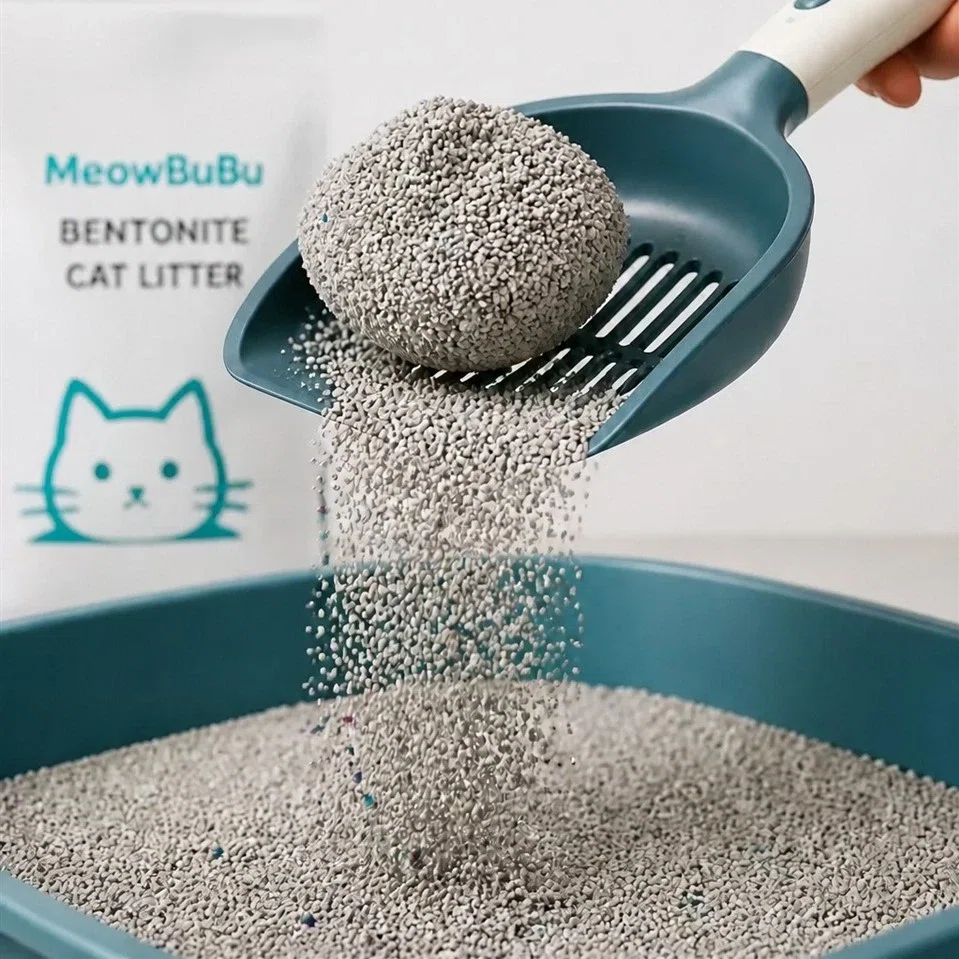
First off, let’s get one thing outta the way: there’s no one-size-fits-all answer. Your cat’s habits, the size of your litter box, how many kitties you’ve got, and even where you live (hello, humidity!) all play a part. But I’ll break this down like I do for my regular customers — easy peasy, actionable stuff, not some lab report that makes your eyes glaze over.
Let’s start with the basics of what tofu cat litter even is, for the new folks out there. It’s made from plant stuff — usually soy, corn, or wheat — so it’s biodegradable, flushable (most of it, don’t go dumping 10 pounds in your toilet, okay?), and way less stinky than clumping clay. That plant base is why its lifespan works different too, compared to those dusty clay pellets that just… stay gross until you scoop the whole box.
Now, the golden rule everyone asks about: scoop daily, change the whole thing every 1 to 2 weeks? Wait, not so fast. Let’s tweak that for your setup. If you’ve got one cat and a standard 15×20 inch litter box — that’s the average small box for single kitties — you can probably get away with 10 to 14 days. But if you’ve got two cats, or a jumbo box (like 20×30 inches, for the gang that really loves to stretch), you’re looking at 7 to 10 days. And if your house is super humid? Yeah, cut that time by a couple days. Moisture speeds up decomposition, and tofu litter doesn’t handle being soggy forever — it starts to get that moldy, mildewy smell way faster than if it’s in dry air.
Wait, but what about mid-scoop checks? I tell all my customers this: don’t just dig around once and call it a day. Every single morning (or right after work, if your schedule’s wonky — consistency matters more than exact time), grab a litter scoop and sift out every clump, every wet spot, every piece of loose poop. Tofu clumps firm up really well, unlike some other litters, so you won’t miss ‘em — but if you skip daily scooping, those clumps get buried, the ammonia builds up, and suddenly your whole house smells like a litter box, even if you changed the litter “last week.” That’s the number one mistake people make, honestly. They think “change day” is the only thing, but daily scooping is half the battle.
Let’s talk about red flags that mean it’s time to change, even if you’re ahead of schedule. If you reach in (wear gloves, people!) and the litter feels sticky, or has that sour, fermented smell that doesn’t go away even after scooping? Dump it. If you see mold spots — little green or white fuzz balls — that’s not a “wait and see” situation. Tofu litter is organic, so mold can grow fast, especially if your cat pees all in one corner and the rest stays damp. Another thing: if your cat starts avoiding the litter box. Yeah, sometimes that’s a health issue, but 9 times out of 10, it’s because the litter’s been sitting too long and it’s gross. Cats are super clean, so if they won’t go in, the litter’s gotta go.
Now, let’s get specific about how to change it the right way, since I’m a supplier and I want my customers to get the most out of their litter (and not waste it). First, empty the whole box completely. Don’t just top it off — that’s a quick way to mix old, stinky litter with new, which defeats the purpose. Wipe the box down with mild soap and warm water — no harsh chemicals, because cats hate the smell, and leftover chemicals can get on their paws. Dry it totally before adding fresh litter — moisture is the enemy here. How much to put in? 2 to 3 inches, max. Too much and it’s hard for your cat to dig, too little and clumps don’t form right. That’s another mistake I see: people dump a mountain of litter, and it’s just messy and doesn’t work as well.
Wait, what about flushability? A lot of you ask that, so I’ll address it. Most of our tofu litter is flushable in standard toilets — but only the clumps, not the whole box’s worth. Never flush more than a couple clumps at a time, because even biodegradable stuff can clog pipes if you do it too much. And if you’re in an apartment building with shared plumbing, maybe double-check with your landlord — some have rules against flushing anything besides toilet paper. That’s a quick pro tip so you don’t get stuck with a plumbing bill.
Now, let’s compare to other litters just to put this in perspective, because I know some of you are switching from clay. Clay litter usually needs a full change every 2 to 4 weeks, right? But wait — clay traps smell but doesn’t eliminate it, so even if you’re not changing it, the stink’s building. Tofu, though? The plant base actually neutralizes odor better, so you can go a little longer, but only if you’re scooping daily. If you’re using crystal litter, that’s different — crystals last longer, but they’re not as good at clumping, so you’re still scooping daily but changing every 3 to 4 weeks. So tofu is right in that sweet spot: less frequent changes than some, more odor control than others.
What about kittens? Oh, kittens are messy little things, let’s be real. They’re still learning to use the litter box, so they might track litter everywhere, have accidents, and make bigger messes. For kittens, I recommend scooping twice a day, and changing the whole litter every 7 to 10 days. Their little paws are sensitive too, so make sure the litter’s not too old and dusty — fresh tofu litter is soft, which is perfect for tiny toes. What about senior cats? They might not be as fast at getting to the litter box, so they have more accidents, and maybe less energy for digging. So for seniors, stick to scooping once or twice a day, change every 8 to 12 days — don’t wait too long, because they might avoid the box if it’s messy.
Another thing: number of cats. If you have more than two cats, add a couple days to your change schedule? No, wait — actually, cut it a couple days. More cats mean more waste, more moisture, more stink. So three cats? Change every 5 to 7 days. Four or more? Maybe every 4 to 6 days. I know that sounds often, but think about it: the more cats, the more the litter gets used, so it can’t stay fresh as long. And don’t forget the litter box rule: one box per cat, plus one extra. So if you have two cats, three boxes. That way, each cat has their own space, and you’re not overloading one box with too much waste.
Wait, let’s talk about maintenance tips that make this easier, because no one wants to spend hours cleaning a litter box. I keep a little scoop right next to the litter box — not under the sink, not in a closet — so I see it every time I walk by, and it’s easy to scoop. That’s why I scoop daily, without even thinking about it. Also, line the litter box with a litter liner? Some people love ‘em, some hate ‘em. If you use liners, get ones that are biodegradable, not plastic — that goes against the eco-friendly thing tofu litter’s known for. If you don’t use liners, just make sure you clean the box really well when you change it, so no old gunk is left behind.
What about common myths I hear all the time? Let’s bust a couple. Myth #1: “Tofu litter is super expensive, so I should make it last forever.” No, don’t do that. If you leave it too long, it gets stinky, and you might end up having to replace more litter than you would if you changed it on time. It’s better to do it right than waste money. Myth #2: “You can just add new litter to the old stuff forever.” Nope, that’s like adding a new shirt on top of a dirty one — it doesn’t work. The old litter is already starting to break down, so mixing it with new just makes the whole thing gross. Myth #3: “If it doesn’t smell, it’s fine.” Ammonia is odorless at first, then gets stinky. Even if you can’t smell it, if you haven’t changed the litter in two weeks, there’s probably ammonia building up, which is bad for your cat’s lungs. So don’t rely on smell alone.
Now, let’s get back to why I know this stuff — because I’m a tofu cat litter supplier, so I work with cat parents every single day, and I’ve tested this with my own cats too. I have two cats, Mochi and Taro, and I change their litter every 10 days, scoop daily, and their litter box never smells. They love it, and I don’t have to scrub the box every week. It works. I’ve had customers tell me they used to change clay litter every 3 weeks and still had stink, but with our tofu litter, they change it every 10 days and it’s way better.
So, to wrap this up, let’s make a quick cheat sheet you can save:
- 1 cat, standard box, dry climate: 10-14 days
- 1 cat, jumbo box, humid climate: 7-10 days
- 2 cats: 7-10 days
- 3+ cats: 4-7 days
- Always scoop every day (minimum)
- Change litter if it’s sticky, moldy, or your cat avoids the box
If you’re still unsure, or you want to stock up on high-quality tofu litter that works with this schedule, feel free to reach out — I’m here to help, not just sell you stuff. We’ve got different blends for different cats, too, so if you have a kitten or a senior, we can point you to the right one. No pressure, just good info for you and your fur babies.
Cat Food REFERENCES
- International Cat Care. "Litter Box Management Tips for Cat Owners." icatcare.org, 2023.
- Journal of Feline Medicine and Surgery. "Odor Control in Cat Litters: A Comparative Analysis." SAGE Journals, vol. 22, no. 12, 2020, pp. 1087-1095.
- ASPCA. "Choosing the Right Litter for Your Cat." aspca.org, 2022.
Zhejiang Yufine Bio-technology Co., Ltd.
As one of the leading tofu cat litter manufacturers and suppliers in China, we warmly welcome you to buy high quality tofu cat litter at competitive price from our factory. For free sample, contact us now.
Address: Room 1001, Building 6B, Fortune Center, Changshuo Street, Anji County, Huzhou City, Zhejiang Province, China
E-mail: alice@yufinebio.com
WebSite: https://www.yufinepet.com/
