Hey folks, let’s cut to the chase—if you’re in the stone game (countertops, tiles, custom slabs, whatever), you’ve probably asked yourself at least once: “How long does a bridge saw actually last?” I get it—this machine isn’t a cheap purchase, right? You’re not grabbing a $50 drill here. It’s a workhorse, the backbone of your shop, and if it craps out mid-job, that’s not just a hassle—it’s lost cash, pissed off clients, and a whole lot of stress. As a bridge saw supplier who’s been around this block for a minute, I’ve heard every take: some guys say their old saw’s still ticking after 15 years, others brag theirs died in 3. So where’s the real truth? Let’s break it down like we’re geeking out over tools, no stuffy jargon allowed. Bridge Saw
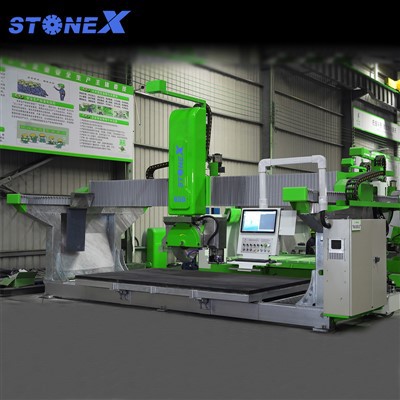
First, let’s talk baseline: what even is a bridge saw’s lifespan? Spoiler alert—it’s not a one-size-fits-all number. Most quality mid-tier to heavy-duty bridge saws (the ones you’re actually using for full stone work) average 7 to 12 years of consistent, daily use. Wait, some will hit 15 or more, some burn out in 4—why the gap? That’s all the stuff people don’t tell you: how you use it, what you cut, how you maintain it, and yeah, even a tiny bit of luck. Let’s dive into each factor, because skipping these is how you end up replacing a saw way sooner than you should.
Let’s start with use and load. If you’re running a saw 10 hours a day, 6 days a week, cutting 2-inch thick granite or quartz (the tough stuff), that’s way different than a part-timer who uses theirs once a week for small tile cuts. Heavy-duty models—think the ones with solid steel frames, 15+ HP motors, and rigid cutting bridges—are built for that daily grind. I’ve seen these crank for 10 years no issues, as long as maintenance’s on point. Then there are the light-duty or entry-level saws—great for a hobbyist or someone who does small residential jobs, but they can’t handle constant heavy loads. Push ‘em too hard, and that motor, the bearings, or the frame will start giving out in 3 to 5 years. Pro tip: never use a saw for a job it wasn’t designed for. If your buddy says “oh just use your small saw to cut that 3-inch marble slab,” save that for his big saw. You’ll thank yourself later.
Next up—what you’re cutting. Stone isn’t monolith, y’know. Soft stone like limestone or travertine is low-fuss, it’s easy on the blade and the saw’s cutting components. Hard stone? Granite, engineered quartz, porcelain full-body tiles? That’s like running a marathon in work boots. Those abrasive materials wear down the blade fast, but they also put extra stress on the saw’s drive system, guides, and motor. I had a regular client last year who switched from mostly travertine to 90% quartz for his kitchen jobs. His old 8-year old mid-tier saw started acting up within 18 months—because he was running it way beyond the load it was rated for. We upgraded him to a heavy-duty model, and he’s been stoked for two years now. If your shop’s leaning into the tough stuff, don’t skimp on the saw that backs you up.
Now the big one—maintenance. This is the make-or-break factor that most guys sleep on. I’ve seen two identical saws: one owner changes the lubricant, cleans the guides, tightens bolts every month, and checks blade alignment before every job. That saw’s still running strong at 12 years. The other guy? He runs it till it sputters, never cleans off the stone dust (that’s a killer—dust gets in bearings, wears them down fast), and ignores weird noises till it’s too late. That one crapped out at 5. Let’s be clear: bridge saws don’t just “run forever” on their own. The key maintenance checks that take 10 minutes a week? Lubricating the linear guides, wiping down the dust collection system (don’t skip this—stone dust is like sandpaper for internal parts), checking the blade arbor for wobble, and testing the emergency stop button once a month. Oh, and if you’re replacing blades? Don’t skimp on cheap ones, but don’t buy the most expensive either. A good mid-tier blade reduces strain on the saw way more than you think. Skip the cheap blades that bind, and you’ll save your saw’s motor and drive system.
Wait, what about newer vs older tech? Some guys swear by old hydraulic saws, others love the digital CNC ones. Let’s get real: hydraulic bridge saws (no fancy touchscreens, just levers) are simple, and when they break, you can usually fix a part for a few hundred bucks. Their lifespan tends to hit the 10 to 15 year mark if maintained right—they’re not as precise as CNC, but they’re tough. The modern CNC saws? They have all sorts of sensors, automated alignment, and cut way faster. But because of all the electronics and precision parts, their lifespan is a little shorter—around 7 to 10 years. Not because they’re bad, but because you can’t just weld a broken sensor in 5 minutes if it dies. You might need to call a tech, and parts are pricier. But here’s the upside: if you take care of a CNC saw, it’ll stay accurate longer—no more trimming edges on countertops because your old saw was off. It’s a trade-off, not a “new is better” thing.
Now, let’s talk red flags that mean your saw’s on its way out, so you don’t get blindsided mid-job. First, weird noises: grinding, squealing, or clanking that wasn’t there before. That’s usually bearings wearing out, or the drive belt stretching. Second, alignment issues: your cuts are wobbly, edges are rough, or the blade drifts mid-cut. That’s a sign the frame’s warped or the guides are shot—ignoring this leads to way bigger problems. Third, power drops: if the motor doesn’t have the oomph it used to, especially when cutting hard stone. That’s either motor wear or a wiring issue. And if you’re having to replace parts every 6 months—like, your bearings go, then your arbor, then the drive motor—it’s probably time to start thinking about an upgrade. Waiting till it dies completely means downtime, and as I said earlier, downtime costs you money.
Wait, a quick real example: I had a client in Dallas a couple years back who’s had his hydraulic bridge saw for 17 years. He only does commercial jobs, runs it 8 hours a day, 5 days a week. But he does his maintenance like clockwork—his kid even teases him about his “boring checklist” every Sunday. He just had us rebuild the motor for $1,200, and he said he’s going to keep it another 3 years. On the flip side, a guy in Atlanta who bought the same model, but he never cleaned it, ran cheap blades, and cut hard granite nonstop for 4 years—his frame was so warped he couldn’t make a straight cut, and replacing it would’ve cost more than a new saw. That’s the difference.
So what can you do to make your bridge saw last as long as possible? Let’s wrap this up with actionable stuff, not just “maintain it.” First, match the saw to your work: if you’re doing mostly residential countertops, a mid-tier heavy-duty model is perfect. If you’re a big shop with commercial jobs, go for a top-of-the-line heavy-duty, not a mid-tier that’s overworked. Second, stick to a maintenance schedule: write it down, set a reminder on your phone, whatever. Dust collection is non-negotiable—stone dust is the #1 enemy of bridge saw parts. Third, invest in good blades: they’re cheaper than replacing a saw. Fourth, train your team: if your workers are slamming the material onto the saw table, or running blades too fast for the stone, that’s wear and tear you can stop with a quick training.
Now, I know a lot of you are thinking: “Do I need to replace it before it dies? How do I know when to upgrade?” If you’re putting more than 10% of your revenue into saw repairs every quarter, or your downtime because of the saw is cutting into client deadlines, it’s time to start shopping. A $15k saw is an investment, sure, but losing a $50k commercial job because your saw crapped out? That’s way worse.
At the end of the day, a bridge saw’s lifespan isn’t a fixed number. It’s a mix of the quality of the machine, how hard you work it, and how well you take care of it. Some guys get 15 years, some get 5—no one’s right, no one’s wrong. But if you play your cards right, that saw you buy today will be workin’ for you for a decade, no problem.
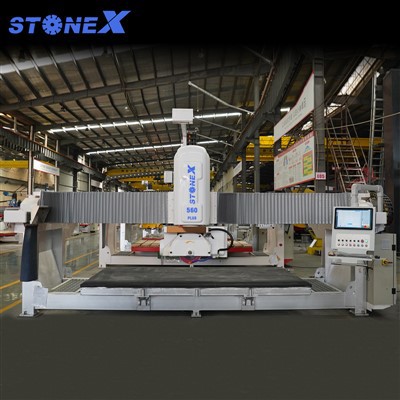
If you’re out there in the market for a bridge saw—whether it’s your first one, or you’re upgrading from an old one—don’t hesitate to reach out. I’ve worked with thousands of stone shops, I can help you pick a model that fits your workload, your budget, and your long-term goals. No pushy sales stuff, just honest talk about what’ll actually work for you.
Block Cutting Machine References:
- Stone Fabricators Alliance. (2022). Equipment Lifespan & Maintenance Best Practices for Stone Processing Operations.
- National Tile Contractors Association. (2021). Bridge Saw Usage and Durability Report for Commercial and Residential Stone Cutting.
- Construction Equipment Association. (2023). Heavy-Duty Wood and Stone Processing Machinery Longevity Guidelines.
- International Masonry Institute. (2020). Maintenance Protocols for Bridge Saws to Extend Operational Life.
Nantong Huayi Intelligent Equipment Co., Ltd.
As one of the most professional bridge saw manufacturers and suppliers in China, we offer a wide range of products with superior quality. Please feel free to buy high quality bridge saw at competitive price from our factory. Contact us for quotation.
Address: Dongsheng Stone Industry Park, Changjiang Town, Rugao City, Jiangsu Province, China
E-mail: claire@hualongm.com
WebSite: https://www.hystonemachinery.com/
